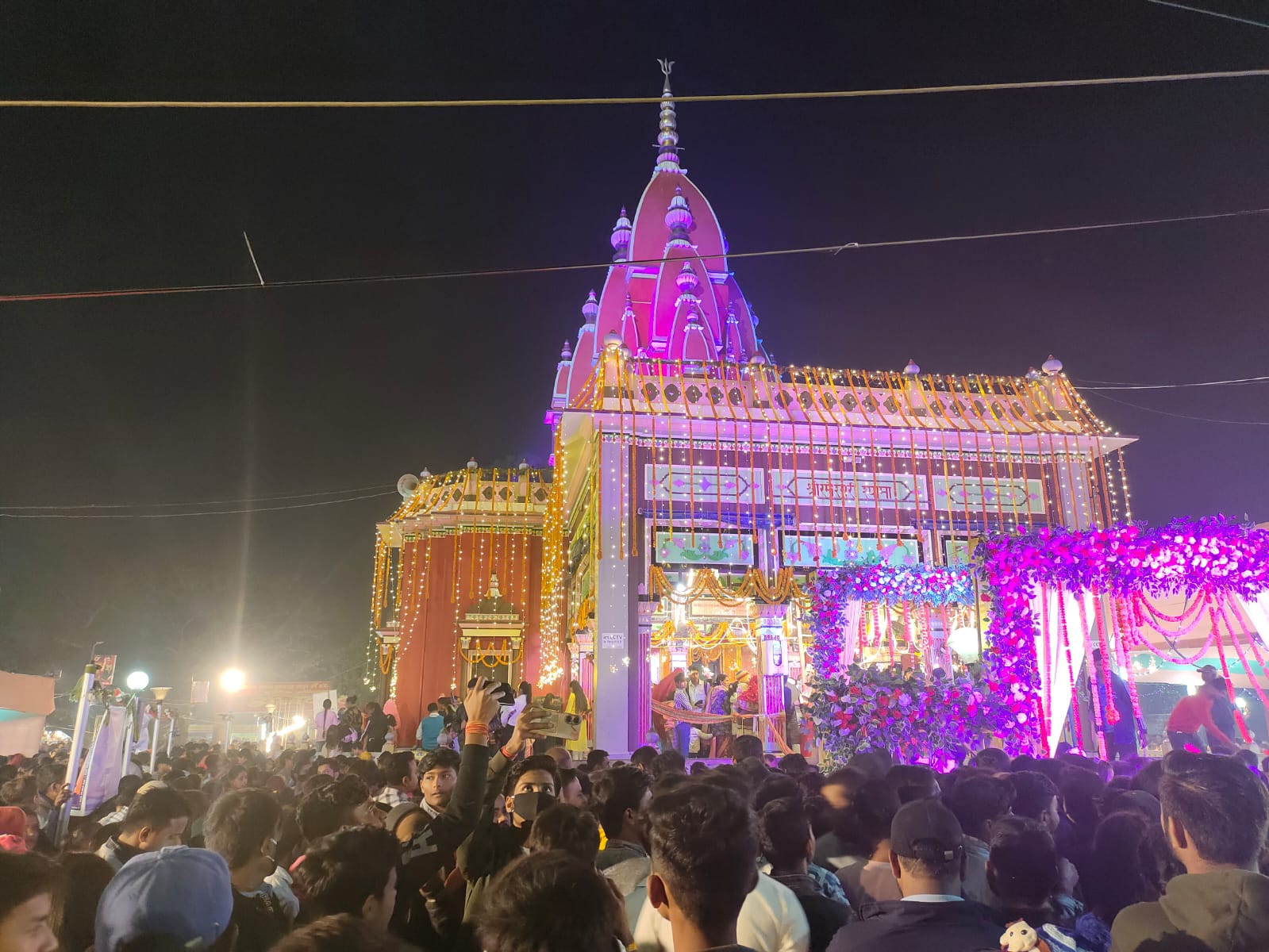

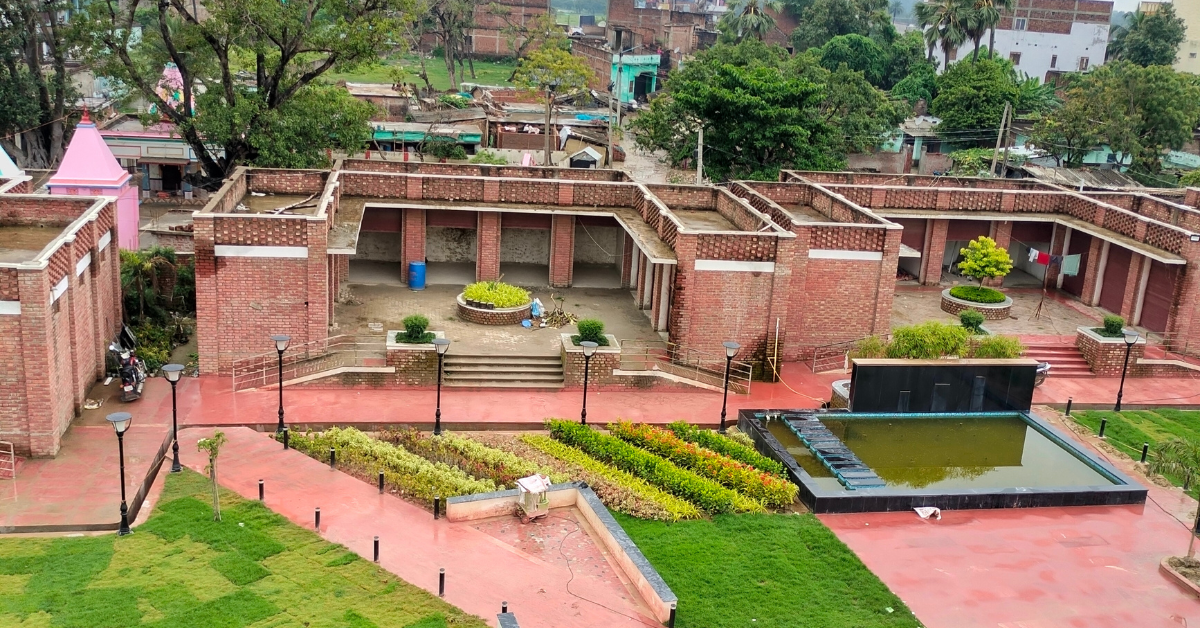
Welcome to the vibrant world of Mithila Haat Araria Sangram, a captivating celebration of art and culture that will transport you to the heart of Mithila. Nestled in the northern region of Bihar, India, Mithila is a thriving hub of artistic talent and cultural diversity. In this enchanting event, artists, craftsmen, and performers from all across the Mithilanchal region come together to showcase their exceptional skills and preserve the rich heritage of this land.
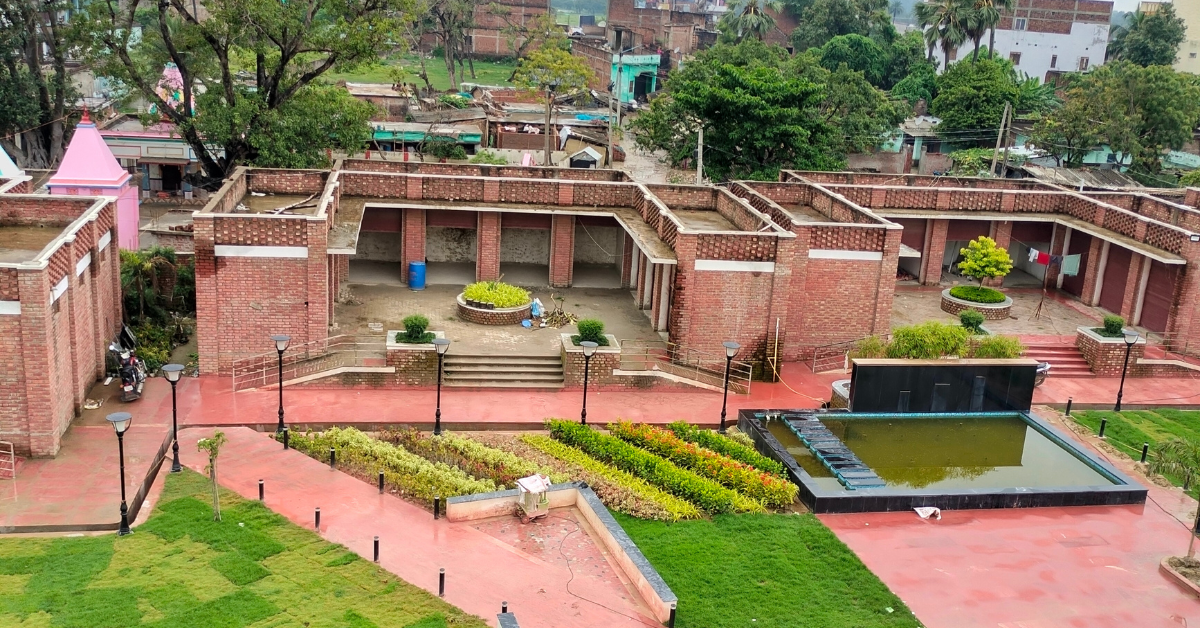
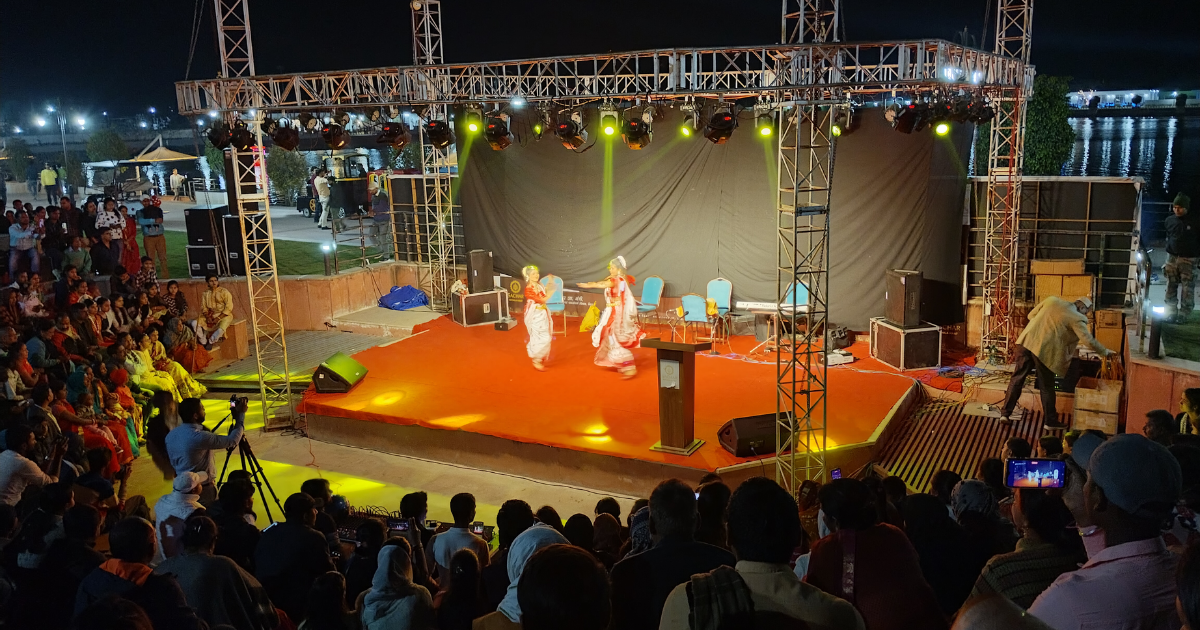
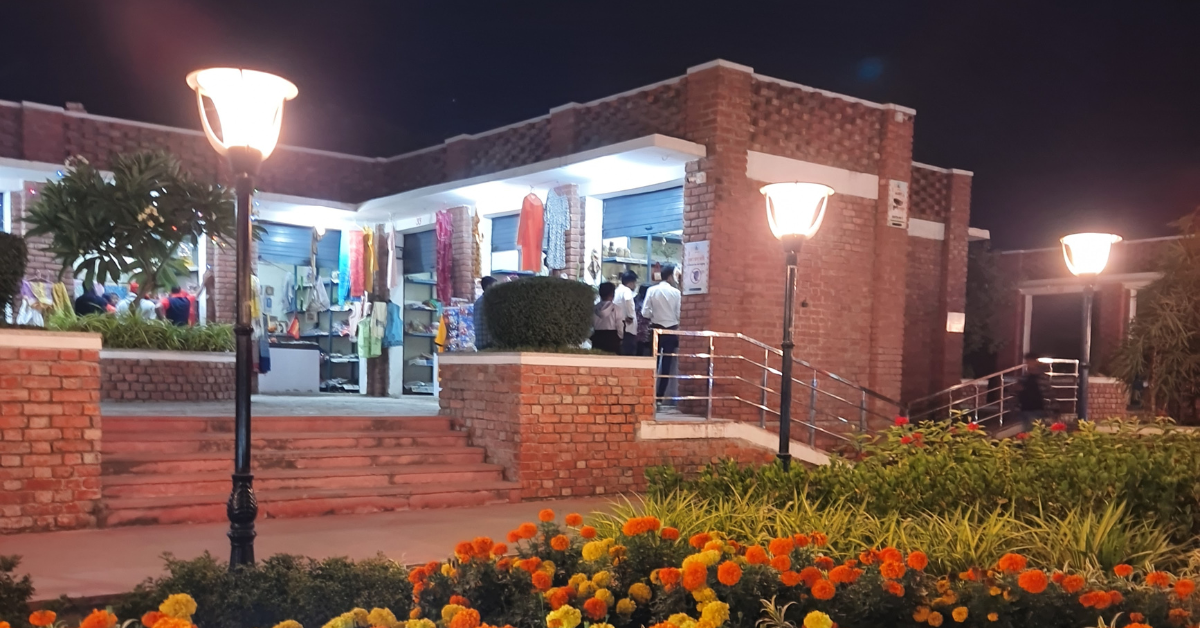
From mesmerizing Madhubani paintings to intricate handwoven textiles, every corner of Mithila Haat Araria Sangram exudes creativity and passion. Immerse yourself in the magic of folk dances, traditional music, and immersive theatrical performances that encapsulate the soul of Mithila. Indulge your taste buds with delicious local delicacies while exploring the vibrant stalls that offer a wide range of exquisite handicrafts, pottery, and other art forms.
Whether you are an art enthusiast, a culture aficionado, or simply curious to experience the cultural extravaganza that Mithila has to offer, Mithila Haat Araria Sangram is an event not to be missed. Join us on this incredible journey to unravel the tales woven within art and culture, and witness firsthand the magnificent melting pot that is Mithila.
Historical significance of Mithila Haat Araria Sangram
Mithila Haat Araria Sangram is a historical event that took place in the Mithila region of Bihar, India, in 1875. The event was a peasant uprising against the British colonial government, and it is considered to be one of the first major peasant uprisings in India.
The uprising was led by a peasant named Daroga Prasad, who was a native of the village of Araria Sangram. Prasad was a charismatic leader, and he was able to rally a large number of peasants to his cause. The peasants were angry at the British for their oppressive policies, and they were determined to fight for their rights.
The uprising began on February 25, 1875, when Prasad and his followers attacked a British police station in the village of Araria Sangram. The attack was successful, and the peasants were able to seize a number of weapons and ammunition.
The British responded to the uprising by sending a large force of troops to the area. The troops were led by a British officer named Colonel Hugh Gough. Gough was a ruthless commander, and he ordered his troops to show no mercy to the rebels.
The British troops met the peasants in battle on March 14, 1875. The battle was a fierce one, and both sides suffered heavy casualties. In the end, the British were victorious, and the uprising was crushed.
The Mithila Haat Araria Sangram was a significant event in the history of India. It was one of the first major peasant uprisings against the British colonial government, and it showed that the Indian people were willing to fight for their rights. The uprising also had a significant impact on the Mithila region, and it helped to inspire a new generation of leaders who would continue to fight for the rights of the people.
Here are some of the historical significance of the Mithila Haat Araria Sangram:
- It was one of the first major peasant uprisings against the British colonial government in India.
- It showed that the Indian people were willing to fight for their rights.
- It had a significant impact on the Mithila region, and it helped to inspire a new generation of leaders who would continue to fight for the rights of the people.
The Mithila Haat Araria Sangram is a reminder of the long and bloody struggle for independence in India. It is also a reminder of the importance of fighting for one’s rights, no matter how difficult the odds may seem.
The art and culture of Mithila Haat Araria Sangram
The Mithila Haat Araria Sangram was a peasant uprising against the British colonial government in India in 1875. The uprising was led by Daroga Prasad, a peasant from the village of Araria Sangram. The uprising was unsuccessful, but it had a significant impact on the art and culture of the Mithila region.

One of the most important aspects of Mithila art is the use of Madhubani painting. Madhubani painting is a traditional style of painting that is native to the Mithila region. The paintings are typically done on cloth or paper, and they depict scenes from Hindu mythology, as well as everyday life. The paintings are characterized by their use of bright colors and intricate patterns.
Another important aspect of Mithila art is the use of Mithila folk music. Mithila folk music is a traditional style of music that is native to the Mithila region. The music is typically performed on instruments such as the harmonium, the tabla, and the dholak. The songs are typically about love, loss, and everyday life.
The Mithila Haat Araria Sangram had a significant impact on the art and culture of the Mithila region. The uprising inspired a new generation of artists and musicians to create works that reflected the struggle for independence. The uprising also helped to preserve the traditional art and culture of the Mithila region.
Here are some of the ways in which the Mithila Haat Araria Sangram influenced the art and culture of the Mithila region:
- It inspired a new generation of artists and musicians to create works that reflected the struggle for independence.
- It helped to preserve the traditional art and culture of the Mithila region.
- It led to the development of new forms of art and culture, such as Mithila painting and Mithila folk music.
The Mithila Haat Araria Sangram was a significant event in the history of the Mithila region. It had a profound impact on the art and culture of the region, and it continues to inspire artists and musicians today.
How to visit and experience Mithila Haat Araria Sangram
If you want to visit and experience the Mithila Haat, here are some tips:
- Plan your visit: The Mithila Haat is open from 10:00 AM to 6:00 PM on all days except Mondays. The best time to visit is during the winter months (October to March) when the weather is pleasant.
- Where to stay: There are a number of hotels and guesthouses in Jhanjharpur and Madhubani. You can also find budget-friendly accommodation in the village of Sangram.
- What to eat: The Mithila Haat is a great place to try the traditional food of the Mithila region. Some of the popular dishes include Litti Chokha, Thekua, and Mahua Laddu.
Here are some additional tips to help you make the most of your visit to the Mithila Haat:
- Bargain: Bargaining is expected at the Mithila Haat. So, don’t be afraid to haggle with the vendors to get a good price.
- Dress appropriately: The Mithila Haat is a conservative place. So, it is advisable to dress modestly when visiting.
- Respect the locals: The Mithila Haat is a place where people from all walks of life come together. So, be respectful of the locals and their customs.
I hope these tips help you plan your visit to the Mithila Haat. I am sure you will have a memorable experience.
Supporting local artisans and preserving the heritage of Mithila Haat Araria Sangram
Since the Mithila Haat Araria Sangram was a historical event, supporting local artisans and directly preserving its heritage is not possible. However, the spirit of the event lives on in the present-day Mithila Haat located in Sangram village. Here’s how you can support local artisans and preserve the heritage of Mithila Haat:
Support Local Artisans:
- Buy handicrafts: Purchase Madhubani paintings, Mithila pottery, textiles, jewelry, wood carvings, metalwork, basketry, dolls, and toys directly from artisans or stalls at the Mithila Haat. Look for stalls with certification or those that mention the items are handmade by local artisans.
- Fair prices: Pay fair prices for the handicrafts. Bargaining is acceptable, but be mindful of not driving down prices unreasonably. Remember, fair prices allow artisans to continue their craft and support their livelihood.
- Spread the word: Recommend Mithila Haat and the artisans’ work to friends, family, and online. Sharing pictures and stories on social media can increase awareness and appreciation for Mithila’s heritage.
Preserving the Heritage:
- Learn about Mithila culture: Research Mithila’s history, art forms, folk music, and cuisine. The deeper you understand the culture, the better you can appreciate the artisans’ skills and the significance of preserving their heritage.
- Support cultural events: Attend folk music and dance performances, workshops on Madhubani painting or other crafts held at Mithila Haat or other venues. This participation shows interest and encourages the continuation of these traditions.
- Responsible tourism: Be a responsible tourist. Respect the local culture, dress modestly, and dispose of waste responsibly. Ask permission before taking photographs, especially of people.
By supporting local artisans and familiarizing yourself with Mithila’s heritage, you contribute to its preservation and ensure these traditions continue to thrive for future generations.
Conclusion: Embracing the rich tapestry of Mithila Haat Araria Sangram
While the Mithila Haat Araria Sangram itself exists only in history, its legacy lives on in the modern Mithila Haat located in Sangram village. This vibrant marketplace offers a window into the rich tapestry of Mithila culture.
Here’s a summary of what you can experience at the Mithila Haat:
- Traditional Crafts: Discover exquisite Madhubani paintings, unique Mithila pottery, intricately woven textiles, and other handcrafted items made by local artisans.
- Folklore Comes Alive: Witness captivating performances of Mithila folk music and dance, immersing yourself in the region’s vibrant artistic expression.
- Culinary Delights: Savor the traditional cuisine of Mithila, from savory lentil dishes and seasonal vegetables to sweet treats like Thekua and Mahua Laddu.
Beyond the sights and sounds, there are ways you can contribute to the ongoing story of Mithila Haat:
- Supporting Local Artisans: By purchasing handicrafts directly from artisans or stalls at the Haat, you ensure their skills are valued and traditions continue.
- Preserving the Heritage: Learn about Mithila’s rich history, art forms, and cultural practices. Attending workshops or events helps keep these traditions alive.
- Responsible Tourism: Be a respectful visitor, dressing modestly and disposing of waste responsibly.
Your visit to the Mithila Haat can be more than just a tourist experience. It can be an opportunity to connect with a vibrant culture, appreciate the work of skilled artisans, and contribute to the preservation of a unique heritage.