

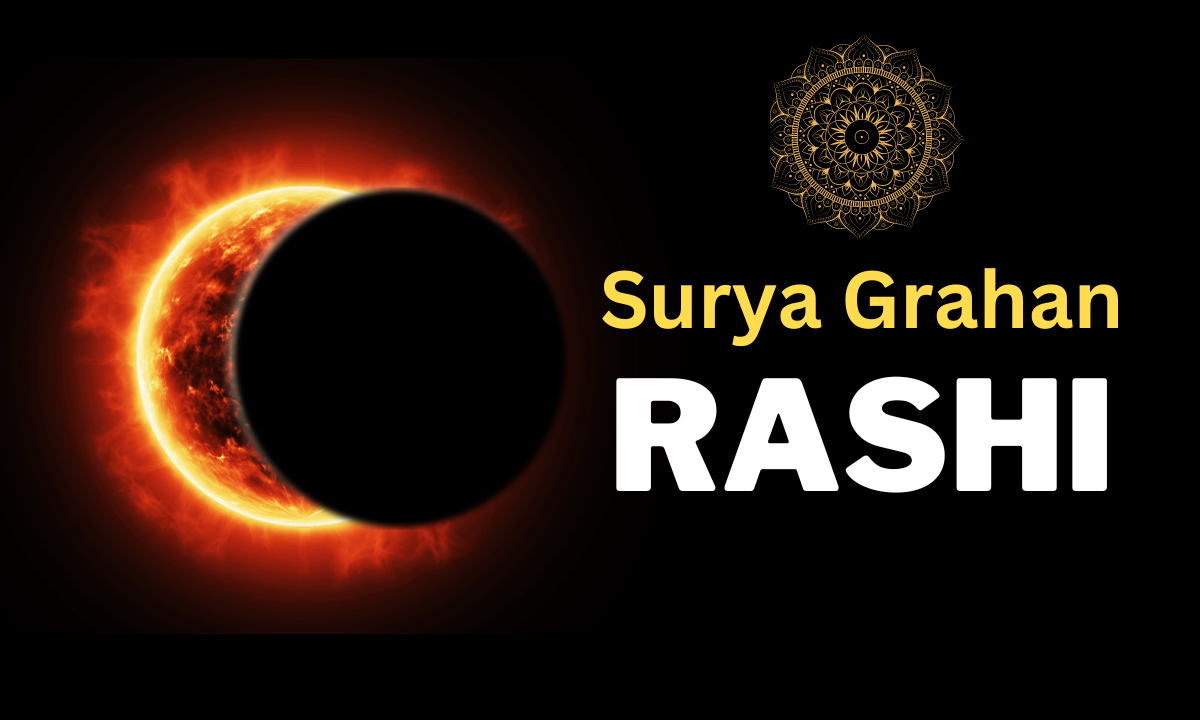
Welcome to the ultimate guide on Surya Grahan Rashi and its mesmerizing influence. we will delve into the mysterious realm of astrology, uncovering the significance of Surya Grahan Rashi and how it impacts our lives. Surya Grahan Rashi, also known as solar eclipse, has fascinated civilizations for centuries. This celestial event occurs when the moon passes between the sun and the Earth, casting a shadow on our planet. But what does it mean for us?
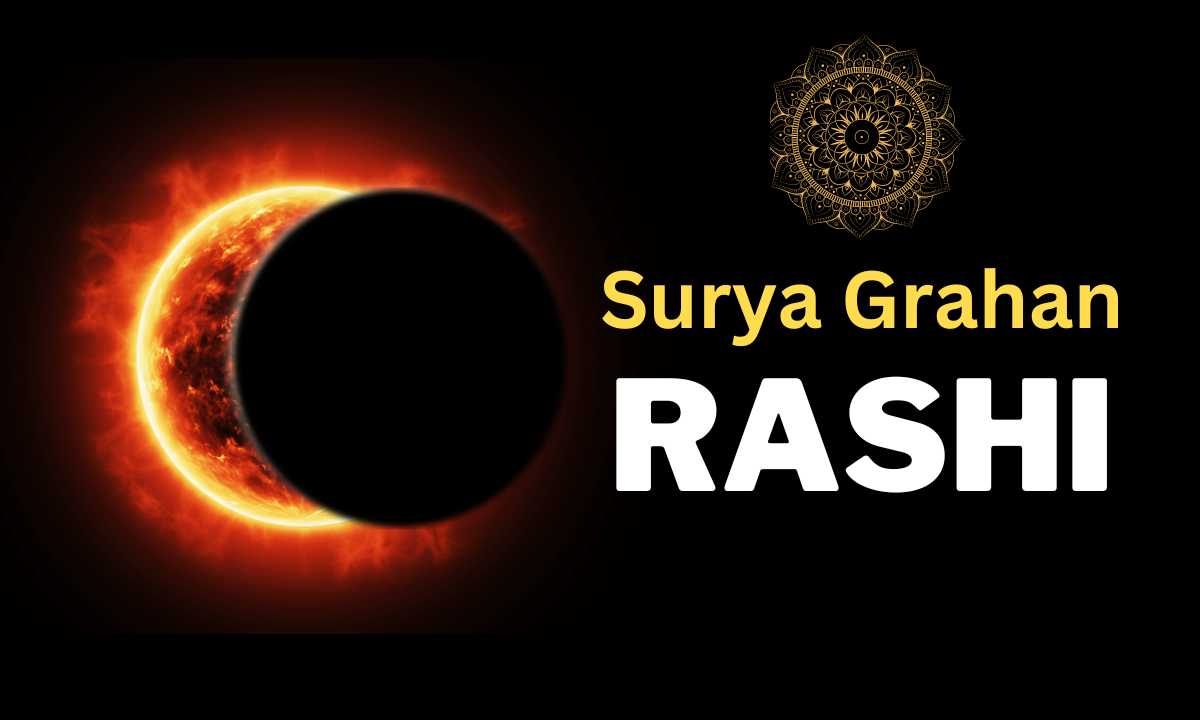
How does it affect our emotions, relationships, and overall well-being? Throughout this guide, we will explore the various aspects of Surya Grahan Rashi, decoding its symbolism and uncovering its subtle influences on different zodiac signs. From the fiery Aries to the practical Capricorn, we will examine how each zodiac sign is affected during this cosmic phenomenon. So, if you’re eager to unravel the mysteries of Surya Grahan Rashi and gain a deeper understanding of its enchanting influence, this guide is your gateway to a world of astrological exploration.
Get ready to embark on a transformative journey as we unlock the secrets of this captivating celestial event.
What is Surya Grahan Rashi?
Surya Grahan Rashi refers to the astrological interpretations of a solar eclipse on the zodiac signs. Here’s a breakdown of the concept:
- Surya Grahan: This translates to “solar eclipse” in Hindi. It’s a celestial phenomenon where the moon comes between the sun and the earth, casting a shadow and obscuring part or all of the sun’s light.
- Rashi: This refers to the zodiac signs in Vedic astrology. There are 12 rashis, each representing a specific zodiacal sector.
Astrologers believe that solar eclipses can influence people’s lives depending on their zodiac sign. They predict both positive and negative effects based on the specific alignment of the eclipse with the sun and moon in relation to the zodiac constellations.
The significance of Surya Grahan Rashi in astrology
In Vedic astrology, Surya Grahan Rashi, or the placement of a solar eclipse relative to the zodiac signs, holds significance for a few reasons:
- Planetary Influence: The sun (Surya) and moon (Chandra) are considered major planets in Vedic astrology. A solar eclipse, where the moon blocks the sun’s influence, is seen as a significant astrological event.
- Zodiac Sign Traits: Each zodiac sign (Rashi) in Vedic astrology is associated with specific characteristics, strengths, and weaknesses. The position of the eclipse in relation to a sign is believed to influence those traits in the people born under that sign.
- Shadow Effect: Eclipses are viewed as times of energetic shifts. The “shadow” cast by the eclipse is interpreted as a potential disruption or influence on the normal flow of energy associated with each zodiac sign.
Here’s a breakdown of how Surya Grahan Rashi significance plays out:
- Predictions: Astrologers analyze the specific Rashi where the eclipse occurs and its interaction with other planetary positions. Based on this analysis, they make predictions about potential positive or negative effects for each zodiac sign. These predictions might involve career, relationships, finances, health, or other areas of life.
- Vedic Practices: During a Surya Grahan, some Hindus follow specific practices believed to mitigate any negative effects. These might include fasting, chanting mantras, or making donations.
It’s important to note that the significance of Surya Grahan Rashi is based on Vedic astrology, a belief system. There is no scientific evidence to support the idea that solar eclipses directly influence human lives.
However, people who follow Vedic astrology may find the predictions and practices associated with Surya Grahan Rashi to be a meaningful way to navigate these celestial events.
Understanding the different types of Surya Grahan Rashi
Surya Grahan simply refers to a solar eclipse, and Rashi signifies the zodiac sign. However, there are different ways to understand how a solar eclipse might influence each zodiac sign (Rashi). Here’s a breakdown:
- Eclipse Path and Rashi: Solar eclipses don’t completely cover the sun from everyone’s perspective on Earth. The path of totality, where the sun is entirely obscured, creates a specific band across the globe. Astrologers might consider the Rashi (zodiac sign) that falls within this path to experience a stronger eclipse influence.
- Degree of Eclipse and Rashi: The degree of the eclipse (how much of the sun is obscured) can be factored in. A full eclipse (100% blockage) might be seen as having a more significant impact on a Rashi compared to a partial eclipse.
- Planetary Positions: Vedic astrology considers the placement of other planets during the eclipse relative to the sun and moon. The interactions between these celestial bodies can influence how the eclipse energy affects each Rashi.
- Nakshatra: The specific lunar mansion (Nakshatra) where the eclipse occurs can add another layer of interpretation. Each Nakshatra has its own set of characteristics that can influence how the eclipse plays out for different zodiac signs.
Understanding these factors helps astrologers make more nuanced predictions about the impact of a Surya Grahan on each Rashi. It’s important to remember that these are interpretations within the Vedic astrology system, and there’s no scientific basis for them.
How Surya Grahan Rashi affects individuals based on their zodiac sign
Vedic astrology believes a Surya Grahan, or solar eclipse, can influence individuals based on their zodiac sign (Rashi). Here’s how it’s interpreted:

Predictions:
- Astrologers analyze the eclipse’s position relative to zodiac signs and other planets. Based on this, they predict potential effects, positive or negative, on each Rashi. These predictions can be about:
- Career
- Relationships
- Finances
- Health
- Other life areas
Factors Influencing Predictions:
- Eclipse Path & Rashi: The zodiac sign (Rashi) within the eclipse’s path of totality might experience a stronger influence.
- Degree of Eclipse: A full eclipse (100% sun blockage) is seen as having a more significant impact on a Rashi compared to a partial eclipse.
- Planetary Positions: The placement of other planets during the eclipse, relative to the sun and moon, affects how the eclipse energy influences each Rashi.
- Nakshatra: The specific lunar mansion (Nakshatra) where the eclipse occurs adds another layer of interpretation. Each Nakshatra has its own characteristics that influence how the eclipse affects different signs.
Precautions to take during Surya Grahan Rashi
The concept of precautions during Surya Grahan Rashi stems from Vedic astrology, and there’s no scientific evidence to support their effectiveness. However, if you follow Vedic practices, here are some things people traditionally do during a solar eclipse:
- Avoidance: This might involve avoiding certain activities like eating, cooking, using sharp objects, or initiating new projects.
- Cleanliness: Bathing before and after the eclipse is considered important for purification.
- Mantra Chanting: Chanting specific mantras or prayers associated with the sun or the relevant zodiac sign is believed to offer protection or blessings.
- Meditation: Meditation during the eclipse is seen as a way to stay centered and grounded amidst the supposed energetic shift.
- Charity: Donating food or other items to those in need is believed to mitigate any negative effects.
Rituals and practices during Surya Grahan Rashi
During a Surya Grahan Rashi, or solar eclipse as interpreted by Vedic astrology, there are various rituals and practices followed by believers. Here’s a breakdown:
Common Practices:
- Fasting: Observing a fast, especially during the peak eclipse phase, is a common practice. People might abstain from all food and drinks, or some might consume fruits or milk.
- Bathing: Taking a bath before and after the eclipse holds significance. This ritual is believed to cleanse one’s body and spirit from any negativity associated with the eclipse.
- Mantra Chanting: Chanting specific mantras or prayers is seen as a way to invoke protection or blessings during the eclipse. The mantras chanted may be specific to the Sun god (Surya), the relevant zodiac sign impacted by the eclipse, or general protective mantras.
- Meditation: Meditation during the eclipse is practiced to achieve a state of calmness and focus. This is believed to help navigate the supposed energetic shifts that occur during a solar eclipse.
- Donations and Charity: Donating food, clothes, or money to the underprivileged is seen as a way to generate good karma and potentially reduce any negative effects of the eclipse.
Additional Practices:
- Pregnant women: Some traditions advise pregnant women to take extra precautions like avoiding sharp objects or loud noises.
- Temples: Devotees might visit temples dedicated to the Sun god ( Surya) to offer prayers during the eclipse.
Important to Note:
- These rituals and practices stem from Vedic astrology, a belief system, and there’s no scientific evidence to support their claims.
- The specific practices may vary depending on regional traditions, family customs, and the astrologer’s guidance.
- Some people might simply observe the eclipse as a celestial event without following any particular rituals.
Ultimately, how you choose to observe a Surya Grahan Rashi is a personal decision.
Myths and beliefs surrounding Surya Grahan Rashi
Vedic astrology is rich with myths and beliefs surrounding Surya Grahan Rashi (solar eclipse on a zodiac sign). Here are some of the most common ones:
- Demon Rahu: A prominent myth depicts a celestial demon named Rahu, who constantly tries to devour the Sun and Moon. Eclipses occur when Rahu succeeds momentarily, causing the Sun or Moon to be obscured.
- Pregnant Women: There’s a widespread belief that pregnant women should be especially cautious during a solar eclipse. Some traditions advise them to avoid sharp objects, loud noises, or even going outside, fearing birth defects in the child if exposed to the eclipse.
- Negative Omens: Eclipses, particularly solar eclipses, are sometimes seen as bad omens foretelling misfortune or natural disasters. This belief might lead people to take precautions or perform rituals to ward off negativity.
- Food and Eating: Certain myths advise against eating or cooking during a solar eclipse. The belief is that the eclipse can “contaminate” food, making it unfit for consumption.
- Auspicious Activities: Some traditions believe that starting new ventures or important undertakings during a Surya Grahan Rashi is inauspicious and can lead to failure. People might postpone such activities until after the eclipse.
It’s important to remember that these are all myths and beliefs with no scientific basis. There’s no evidence that eclipses have any negative effects on pregnant women, food, or new endeavors.
However, these myths and beliefs are a fascinating part of Vedic astrology and cultural traditions. They reflect the awe and wonder people have felt towards celestial phenomena for centuries, attempting to explain the unexplained.
Scientific explanations behind Surya Grahan Rashi
Vedic astrology offers interpretations of celestial events like Surya Grahan Rashi (solar eclipse on a zodiac sign), but there’s no scientific explanation for its supposed influence on people’s lives based on their zodiac sign.
Here’s a scientific explanation of a solar eclipse:
- Alignment of celestial bodies: A solar eclipse occurs when the moon comes between the sun and the earth, casting a shadow on part of the Earth.
- Path of totality: The area experiencing a total eclipse lies within a narrow band on Earth’s surface. Outside this path, a partial eclipse is visible, where only part of the sun is obscured.
- Frequency: Solar eclipses happen relatively frequently, but total eclipses at any given location are rare due to the narrow path of totality.
Scientific Impact:
- Solar eclipses provide opportunities for scientific observations, allowing astronomers to study the sun’s corona, which is usually hidden by the sun’s bright light.
- Eclipses can also affect Earth’s tides due to the gravitational pull of the sun and moon being temporarily aligned.
So, while science explains the mechanics of a solar eclipse, it doesn’t support the astrological interpretations associated with Surya Grahan Rashi.
Famous Surya Grahan Rashi incidents in history
Due to the subjective nature of astrology, attributing specific historical events to Surya Grahan Rashi (solar eclipse on a zodiac sign) is difficult to verify. Historical records might mention eclipses, but without the context of astrological interpretations, it’s hard to link them to specific events.
However, eclipses have been observed and documented throughout history, and some cultures have associated them with important events. Here are some instances:
- China: Early Chinese astronomers meticulously recorded eclipses for centuries. Some believe these records were used to predict future events or explain past occurrences, but concrete evidence of specific astrological interpretations tied to historical events is limited.
- Europe: In medieval Europe, eclipses were often seen as bad omens portending misfortune or disaster. For instance, a solar eclipse in 1539, just before the death of Holy Roman Emperor Charles V, might have been interpreted as a sign of his demise. However, it’s impossible to know for sure if the eclipse was definitively linked to the event by astrologers of the time.
- India: Vedic astrology has a long history in India, and eclipses were likely interpreted in the context of Surya Grahan Rashi. However, separating historical fact from astrological beliefs is challenging. There might be legends or folklore associating eclipses with specific events, but verification becomes difficult due to the narrative nature of these traditions.
It’s important to remember that these are just possible examples, and there’s no way to confirm a direct link between a Surya Grahan Rashi and a historical event. If you’re interested in learning more about specific eclipses and their historical context, searching for reputable sources on the history of astronomy or astrology in a particular culture might be helpful.
Conclusion: Embracing the influence of Surya Grahan Rashi in our lives
Surya Grahan Rashi, the Vedic astrological interpretation of solar eclipses on zodiac signs, offers a window into humanity’s fascination with celestial phenomena. The myths, rituals, and predictions associated with it showcase the human desire to understand and connect with the universe.
While science offers a clear explanation for the mechanics of a solar eclipse, the astrological beliefs surrounding Surya Grahan Rashi hold cultural and personal significance for many people. Whether it’s observing rituals or simply marveling at the celestial dance, engaging with Surya Grahan Rashi can be a way to connect with tradition and appreciate the awe-inspiring power of the cosmos.
Ultimately, how you approach Surya Grahan Rashi is a personal choice. Embrace the cultural richness of the traditions, appreciate the wonder of the eclipse itself, and remember the fascinating interplay between science and human belief that this celestial event embodies.