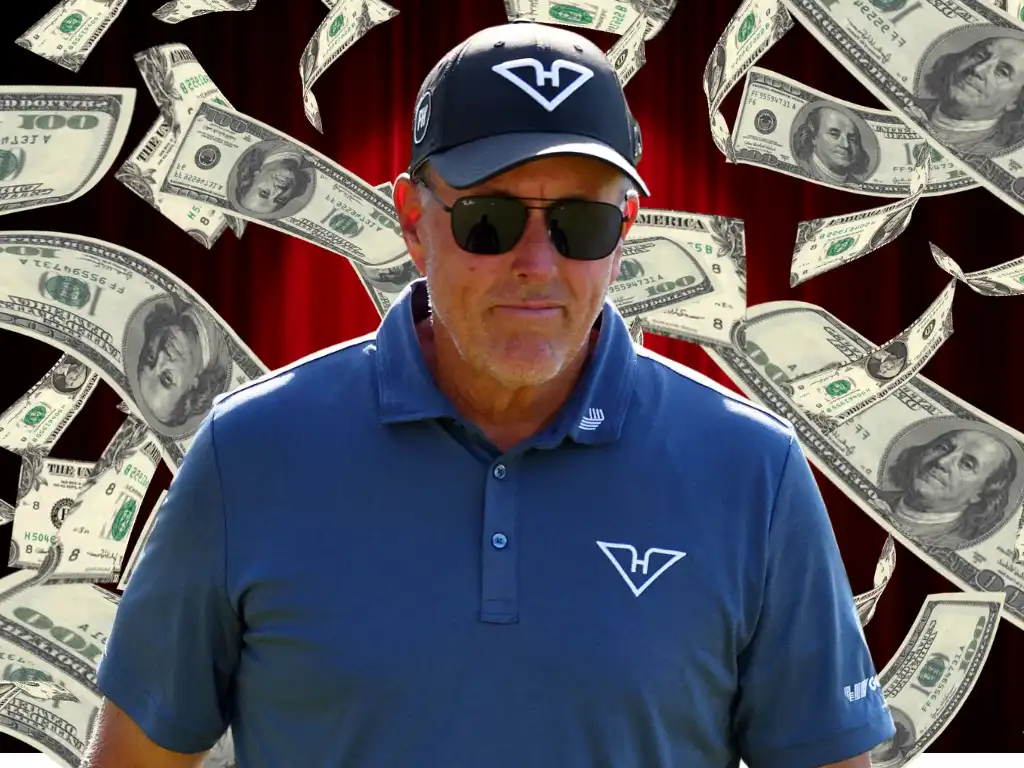
Phil Mickelson’s net worth is $300 million as of early 2026, per Celebrity Net Worth, though some outlets cite $400M–$600M depending on how they count the LIV deal. His career has produced over $1 billion in gross earnings: roughly $100M in prize money, $800M+ in endorsements and appearances, and a reported $200M LIV signing bonus. Taxes, agent fees, and gambling losses estimated at up to $100M explain the gap.
Mickelson turned professional in 1992 and spent three decades becoming one of golf’s top earners, collecting 45 PGA Tour wins, six major championships, and a historic 2021 PGA Championship title at age 50. Then he signed with LIV Golf for a reported $200 million. The gap between what he earned and what he kept is the real story.
What Is Phil Mickelson’s Net Worth in 2026?
Phil Mickelson’s net worth is $300 million as of early 2026, according to Celebrity Net Worth. That’s the most widely cited and consistent figure across major outlets. Some sources push the number to $400M or even $550M–$600M by including the full face value of his LIV contract. The $300M figure reflects actual accumulated wealth after taxes, fees, and costs. Any estimate above that is closer to gross career earnings than a true net worth.
Net worth means assets minus liabilities. It’s not a paycheck total. That’s why a $1 billion earner can still land at $300 million.
How Did Mickelson Earn Over $1 Billion Gross?
Mickelson’s career earnings crossed $1 billion through three main channels: on-course prize money, endorsements and appearances, and his LIV Golf deal. Forbes confirmed in 2022 that he became only the second golfer after Tiger Woods to hit that milestone.
His total career prize money sits at approximately $112 million, per Spotrac, with $81M from PGA Tour events and over $24M from major championships alone. Off the course, Sportico reports he generated roughly $800 million in endorsements, appearance fees, and course design over his career. In peak years, endorsements accounted for over 90% of his total annual income.
Phil Mickelson Prize Money: Key Years (1992–2025)
The table below shows how Mickelson’s on-course earnings evolved from his rookie year through his LIV era. Peak years line up directly with his major wins.
| Period | Key Events | Approx. Prize Money |
|---|---|---|
| 1992–1999 | Turned pro; early PGA wins | ~$8M total |
| 2000–2003 | Multiple wins, no majors | ~$12M total |
| 2004–2006 | Masters (2004, 2006), PGA Championship (2005) | ~$15M total |
| 2007–2009 | Solid years, near misses | ~$10M total |
| 2010–2013 | Masters (2010), Open Championship (2013) | ~$20M total |
| 2014–2017 | Winless stretch, lean earnings | ~$8M total |
| 2018–2021 | Resurgence; PGA Championship win at age 50 (2021) | ~$18M total |
| 2022–2025 | LIV Golf era | ~$7M on-course (LIV) |
Mickelson’s career illustrates a clear pattern: major wins drove prize money spikes, but endorsements always outpaced the trophies. His 2014–2017 winless stretch hurt on-course earnings badly. It also, as we’ll explain next, exposed how gambling had eaten into his savings.
Why $1 Billion Gross Becomes $300 Million Net
Gross earnings and net worth are very different things for a high-earning athlete. Mickelson’s journey from $1B gross to $300M net involves four factors.
Taxes hit first. Federal income tax at 37%, plus state income tax (California taxes professional athletes on income earned in-state), can push the combined rate above 45% in peak earning years.
Agent and caddie fees come next. Standard agent fees run 3–5%, and caddies on tour typically earn 5–10% of prize money winnings.
Gambling losses are the most documented factor in Mickelson’s case. Alan Shipnuck’s biography placed losses at $40M for just a four-year window (2010–2014). Professional gambler Billy Walters later published detailed betting records in his book and estimated total losses closer to $100 million across three decades, on wagers exceeding $1 billion. ESPN confirmed the scale of those records. Mickelson has since publicly acknowledged his gambling addiction and stated he no longer bets.
Lifestyle costs round out the picture. Multiple properties, luxury vehicles, and two decades of premium expenses add up. The math is straightforward: $1B gross minus all of the above lands squarely around $300M net.
The Sponsorship Flip That Changed His Annual Income
Before LIV, Mickelson earned $40–$50 million per year. Most of that came from endorsements: Callaway, KPMG, Workday, Barclays, Amstel Light, and others. Golf Monthly reported that Forbes named him the highest-paid sportsperson of 2022 with $138 million in total earnings, driven almost entirely by the LIV signing.
The fallout was immediate. KPMG, Workday, and Amstel Light ended their partnerships. Callaway paused its formal deal. But the LIV contract, structured as roughly $200M guaranteed over a multi-year term, more than covered those losses. His current active deals include Rolex, Ford, Primo Golf Apparel (announced January 2025), and Intrepid Financial Partners.
Compare that trajectory to Patrick Reed’s LIV earnings path and you can see how differently the same league has affected players depending on their pre-existing endorsement base.
His Golf Course Portfolio and Passive Income Strategy
Mickelson’s wealth isn’t just prize money and sponsor checks. He’s built passive income streams that continue generating revenue off the course.
Celebrity Net Worth reports he opened six golf courses across Arizona, earning through membership fees, design royalties, and development profits. He also holds a stake in several Five Guys franchise locations in California, and co-founded For Wellness, a coffee brand.
This diversification mirrors the playbook of athletes like Mike Trout, who turned early investments into long-term equity well beyond salary income. For Mickelson, the goal is clear: build income that doesn’t depend on swinging a club.
Where Does Mickelson Rank Among Golf’s Richest?
Mickelson sits in the top 4–5 richest golfers in history, behind Tiger Woods and firmly above most of his contemporaries. Golf365’s 2026 ranking places Woods at the top with an estimated $800M+. Rory McIlroy follows with approximately $220M+, boosted by his career Grand Slam and TMRW Sports co-ownership.
Mickelson’s LIV deal vaulted him past most active PGA Tour stars in pure wealth terms, even as his endorsement portfolio shrank. Among golfers who built their fortunes before the LIV era, only Woods stands clearly above him.
Final Word
Mickelson himself has called the gambling a costly addiction. He’s said he no longer bets. At 55, with passive income, active LIV earnings, and a business portfolio still growing, the floor isn’t moving down anytime soon.
Want to explore more athlete finances? Check out more celebrity net worth profiles at MVP Net Worth, updated as contracts are signed and deals are made.
Frequently Asked Questions
Mickelson reportedly received a $200 million signing bonus to join LIV Golf in 2022.
Alan Shipnuck’s biography placed gambling losses at $40 million between 2010 and 2014 alone, per Golf Channel reporting.
Mickelson’s active endorsements include Rolex, Ford, Intrepid Financial Partners, Grayhawk, and Primo Golf Apparel, which he announced in January 2025.