
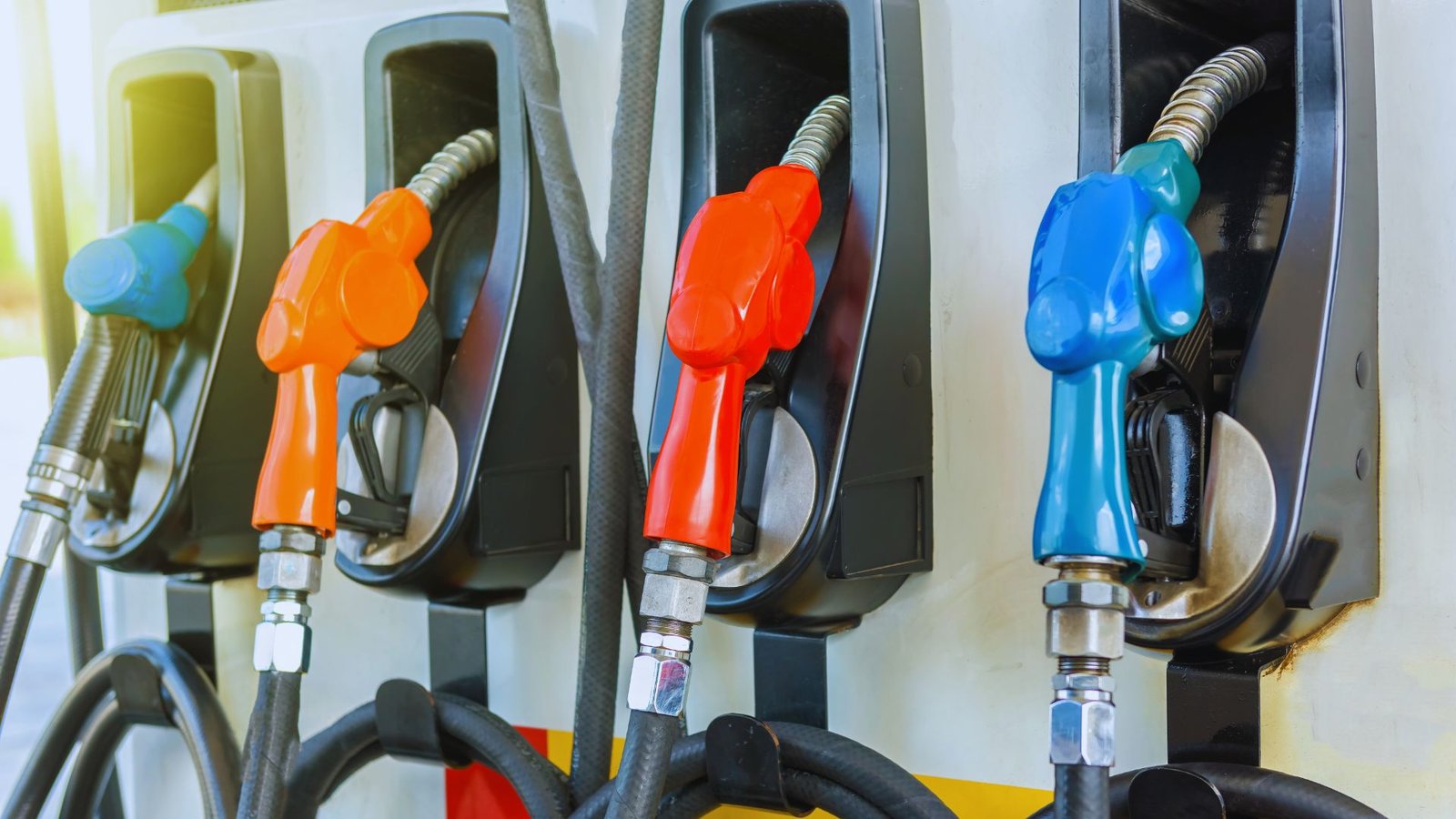
There are two types of petrol available at petrol pumps. When every biker and driver goes to a petrol pump, they see that there are two types of fuel available at the petrol pump, regular petrol and premium petrol. Then a question arises in our mind that what is regular and premium petrol and what is the difference between these two, does mileage increase with these fuels, does HP increase?
What is regular petrol?
Regular petrol has low Octane rating between 87- 91 RON. which includes ability to resist knocking cleaning combustion this makes it suitable for most standard vehicles on road today. Regular petrol is generally cheaper, costing up to 10p less per litre compared to premium petrol. Regular petrol provides standard fuel efficiency.
What is premium petrol?
Permium Petrol contain high octane number as compare to regular petrol. Octane number in premium petrol is 95-97. with higher octane levels petrol are also available in the market. Permium Petrol can be up to 30p more expensive per litre. Premium petrol often offers improved efficiency, especially in high-performance vehicles that benefit from the higher octane content.
Differance Between Regular Petrol and Premium Petrol?
Regular petrol usually has an octane rating of 87- 91 RON (Research Octane Number), while premium petrol has a rating between 95 and 97 . The higher the octane rating, the better the fuel can resist engine knocking.
This resistance is especially helpful for engines with higher compression, which can produce more power but are more prone to knocking.
| Characteristic | Regular Petrol | Premium Petrol |
|---|---|---|
| Octane Rating | 87- 91 RON | 95-97 RON |
| Cost | Lower (up to 10p less per litre) | Higher (up to 30p more per litre) |
| Additives | Fewer cleaning additives | Contains more cleaning additives |
| Fuel Efficiency | Standard fuel efficiency | Often improved fuel efficiency |
| Engine Performance | Suitable for most vehicles | Better for high-performance vehicles |
Regular petrol is suitable for most vehicles, while premium petrol is recommended for high-performance cars that require higher octane levels to operate optimally without knocking.
Working Cycle of a Petrol Engine
In a petrol engine, the process of creating power happens through four main steps, known as the four-stroke cycle. Here’s how it works:
- Intake Stroke:
- The piston moves down, creating space in the cylinder.
- This opens the intake valve, and a mixture of petrol and air is pulled into the cylinder.
- Compression Stroke:
- The piston moves back up, squeezing the air-fuel mixture.
- Both the intake and exhaust valves stay closed, which raises the pressure and temperature inside, getting it ready for ignition.
- Power Stroke (Ignition):
- At the top of the compression stroke, the spark plug ignites the mixture.
- The explosion pushes the piston down with force, which powers the crankshaft and generates mechanical energy.
- Exhaust Stroke:
- After the power stroke, the piston moves back up.
- The exhaust valve opens, and the burnt gases are pushed out of the cylinder.
This continuous cycle keeps the engine running and produces the power needed to move a vehicle.
Also Read About- Diesel vs. Petrol Engines
Why choose Premium Petrol?
If your bike’s engine compression ratio is up to 10.5:1 or more than that, you can use premium petrol. But if the compression ratio is less than 10, there will be no benefit in using premium petrol.
Conclusion
Premium petrol can improve your vehicle’s performance, and you might also see better fuel efficiency. High-compression engines are built to run on higher octane fuel, so at the very least, your fuel economy will stay the same, and it could even get a bit better.
If you’re concerned about the cost of premium petrol, you can still use regular petrol without any major issues in most bike or cars.
FAQ
Does premium petrol give better mileage?
No, premium petrol doesn’t improve fuel economy or mileage in cars designed to run on regular fuel. The higher octane rating only benefits high-performance engines that need it to avoid knocking.
What does octane number mean?
The octane number shows how well fuel can resist knocking or igniting too early. Higher octane fuels can handle more compression before they ignite.
Is premium petrol worth the extra cost?
If your car specifically requires premium fuel, it’s worth using to avoid engine damage from knocking. But if your car is designed for regular fuel, using premium is unnecessary and will just increase your fuel costs without any real benefit.