

Traveling with a cat can feel like a daunting idea, but it’s becoming more common as pet owners increasingly consider their furry friends part of the family. Whether it’s a quick road trip or a cross-country flight, bringing your cat along for the journey requires thoughtful preparation.
Cats, known for their love of routine and familiarity, may not always take well to new environments. However, with the right approach, you can ensure a safe, comfortable, and even enjoyable travel experience for both you and your feline companion. This guide will walk you through every step of the process, from planning to arriving at your destination, so you’re fully equipped to make your next trip with your cat a success.
Is Your Cat Ready for Travel?
Traveling with a cat isn’t a one-size-fits-all experience. While some cats adapt quickly to new environments, others may struggle with anxiety or motion sickness. Before planning your trip, it’s crucial to assess if your cat is suited for the journey.
Understanding Your Cat’s Personality
Not all cats are natural adventurers, and that’s okay. Here are a few key signs your cat might be travel-friendly:
- They show curiosity about new places or people.
- They adapt well to changes in their environment.
- They don’t show excessive stress during short car rides.
On the other hand, if your cat hides during unfamiliar situations or becomes highly agitated in new surroundings, you may need to take extra steps to prepare them—or reconsider if travel is the best option for them.
Health Considerations Before You Travel
Your cat’s health should be your top priority. Schedule a vet visit before your trip to ensure your cat is in good shape for travel. Key things to discuss with your vet include:
- Vaccinations: Ensure your cat’s vaccinations are up-to-date, especially if traveling internationally.
- Microchipping: A microchip provides extra security in case your cat gets lost.
- Medications: Ask about anti-anxiety medication or motion sickness remedies if needed.
Travel vs. Staying Home
Sometimes, traveling may not be the best choice for your cat. Consider alternatives, like hiring a pet sitter or boarding your cat in a reputable facility, if:
- The journey will be long and stressful for your pet.
- Your cat has a medical condition that could worsen during travel.
Traveling with your cat is a decision that should prioritize their well-being. If you’re confident your cat is ready, let’s move on to planning the trip!
Also Check Out: Discover Darbhanga Taramandal: A Hidden Gem in Bihar’s Cultural Heartland.
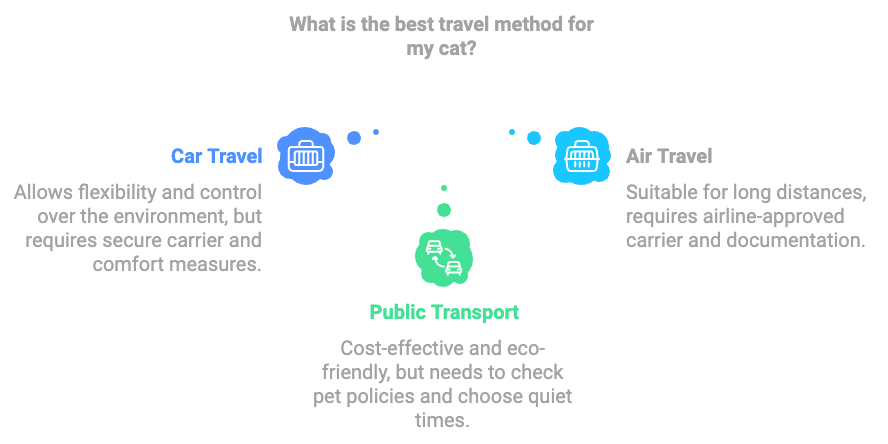
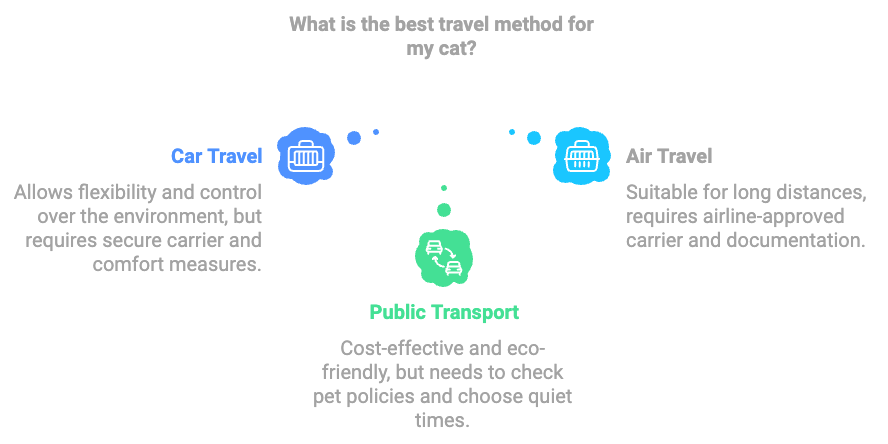
Choosing the Right Mode of Travel
Once you’ve determined that your cat is ready for the adventure, the next step is choosing the best way to travel. Each mode of transportation comes with its own set of challenges and solutions, so it’s essential to pick what’s most comfortable and safe for your feline friend.
Traveling by Car with a Cat
Car travel is one of the most common ways to travel with cats, but it requires careful preparation to ensure their comfort and safety. Here’s what you need to know:
- Use a Secure Carrier: Always keep your cat in a well-ventilated, sturdy carrier. Letting your cat roam freely in the car can be dangerous.
- Introduce Your Cat to the Car Gradually: Start with short car rides to help your cat adjust to the motion and sounds of traveling.
- Comfort and Calming Aids: Line the carrier with a soft blanket that smells like home and consider using pheromone sprays to reduce anxiety.
- Plan for Breaks: For longer trips, make regular stops to offer water and check on your cat, but always keep them inside the carrier unless in a secure, enclosed space.
Air Travel Tips for Cats
Flying with a cat requires a bit more planning, especially if you’re traveling internationally. Here are some key tips:
- Choose the Right Airline: Research airlines that allow cats in the cabin. Most require you to book a spot for your cat in advance.
- Invest in an Airline-Approved Carrier: Ensure your carrier meets the airline’s size and ventilation requirements. A soft-sided carrier is often a better option for fitting under seats.
- Prepare for Security Checks: At the security checkpoint, you’ll usually need to carry your cat through the metal detector while the carrier goes through the scanner. Consider a harness and leash to prevent escapes.
- Keep Travel Documents Handy: For international travel, ensure you have health certificates, vaccination records, and any required permits.
Public Transport and Train Travel
If you’re planning to travel by train or bus, here’s what to keep in mind:
- Check Pet Policies: Not all public transport systems allow pets, and those that do may have restrictions on carrier size or pet weight.
- Choose Quiet Times: Travel during off-peak hours to minimize noise and crowds, which can be overwhelming for your cat.
- Secure the Carrier: Place the carrier on your lap or securely on the floor to prevent movement during the ride.
Every mode of travel has its unique requirements, but the goal is always the same: to make the journey as stress-free as possible for your cat. Next, let’s talk about what to pack for your feline travel companion!
Also Check Out: 10 Reasons You Must Visit Kashi at Least Once in Your Lifetime.
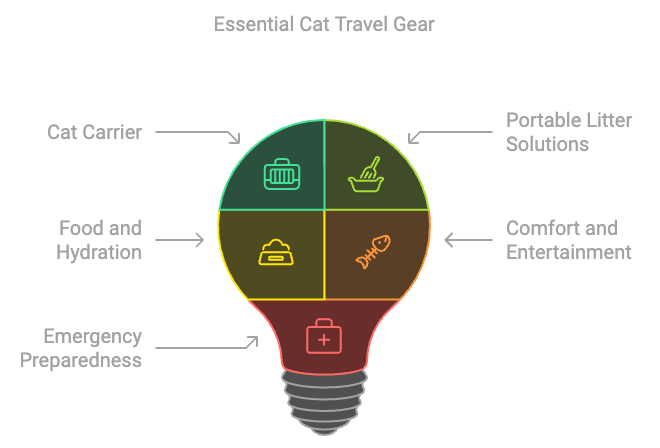
Essential Cat Travel Gear: Packing for Paws
Packing for a trip with your cat requires careful thought. The right gear ensures your feline friend stays comfortable, safe, and happy throughout the journey. Here’s everything you need to include in your travel kit.
The Cat Carrier: Their Mobile Safe Zone
A good carrier is a must-have for any trip. It serves as your cat’s personal space, offering security and comfort in unfamiliar environments. Look for:
- Size and Comfort: Your cat should be able to stand, turn around, and lie down with ease.
- Sturdy Build: Durable materials with escape-proof zippers or locks.
- Ventilation: Proper airflow is crucial to keep your cat comfortable.
- Airline-Approved Options: If you’re flying, ensure the carrier meets the airline’s requirements.
Lining the carrier with a soft blanket or towel that smells like home can provide extra reassurance for your cat.
Portable Litter Solutions
Traveling doesn’t mean sacrificing your cat’s hygiene. Portable litter boxes are perfect for trips:
- Disposable litter trays for convenience.
- Compact, reusable options for longer journeys. Pack a small bag of your cat’s preferred litter to help them feel at ease when it’s time to use the box.
Food and Hydration Essentials
Keeping your cat fed and hydrated is a top priority:
- Bring your cat’s regular food to avoid any digestive issues.
- Use collapsible bowls for easy storage and access during the journey.
- Consider portioning meals in advance for convenience on the go.
Tip: Pack bottled water or your cat’s usual source to avoid stomach upset caused by unfamiliar water.
Comfort and Entertainment
Even the most adventurous cats need reminders of home. Pack:
- A favorite toy or two for comfort and entertainment.
- A blanket or piece of clothing with your scent to reduce anxiety.
- Treats for positive reinforcement during stressful moments.
Emergency Preparedness
Accidents or unexpected situations can happen, so it’s wise to be prepared:
- A small pet first aid kit with essentials like antiseptic wipes, bandages, and tweezers.
- Extra supplies like an additional collar with ID tags.
- Copies of your cat’s veterinary records, especially for international travel.
With the right packing list, you’ll have everything you need to ensure your cat’s comfort and safety. Next, we’ll discuss how to prepare your cat for the actual journey, minimizing stress and making the experience smoother for both of you.
Also Check Out: Mithila Haat Araria Sangram: Unveiling the Magnificent Melting Pot of Art and Culture.
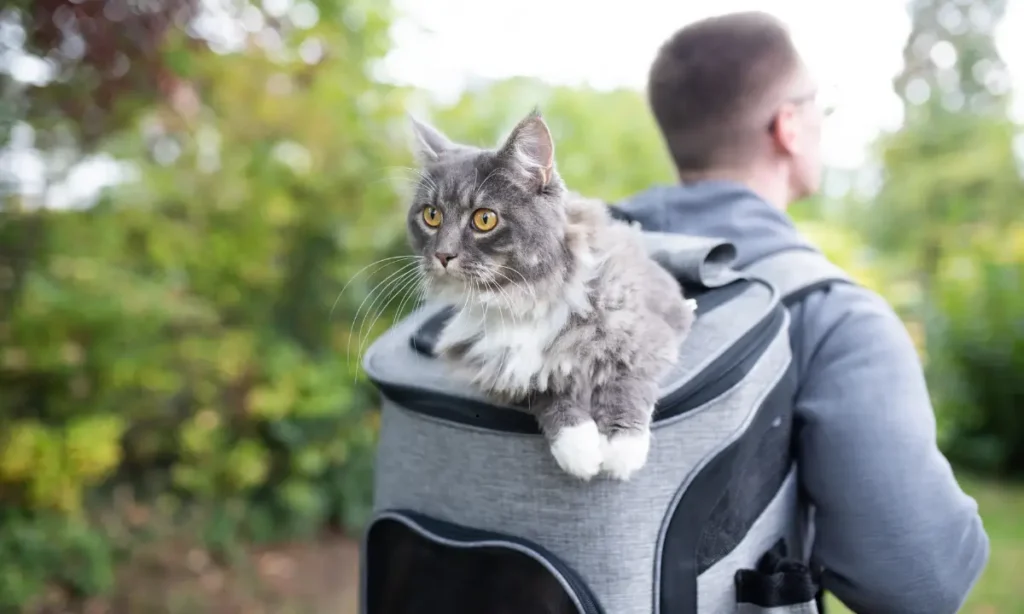
Preparing Your Cat for the Journey
Cats are creatures of habit, and the unfamiliarity of travel can be unsettling. Preparing your cat well in advance is key to a smooth trip. With patience and gradual adjustments, you can help them feel more at ease on the road.
Acclimating Your Cat to Travel
Getting your cat used to the idea of travel starts at home:
- Introduce the Carrier Gradually: Place the carrier in your home with the door open. Add a soft blanket and a few treats to make it inviting. Allow your cat to explore it at their own pace.
- Practice Makes Perfect: Take your cat on short car rides in their carrier. Start with just a few minutes and gradually increase the duration to help them get used to the motion and sounds.
- Simulate the Travel Environment: Play recordings of traffic or airplane sounds at a low volume to acclimate your cat to unfamiliar noises.
Consistency and positive reinforcement during this phase can make a world of difference.
Reducing Travel Anxiety
Cats can easily pick up on stress, so staying calm and prepared is crucial. Here are a few tools and techniques to ease anxiety:
- Pheromone Sprays or Diffusers: Products like Feliway mimic natural cat pheromones, creating a calming effect.
- Calming Treats or Supplements: Look for natural, vet-approved options designed to reduce anxiety.
- Comforting Scents: Placing a blanket or item with your scent in the carrier can reassure your cat during the trip.
If your cat has severe anxiety, consult your vet about temporary sedatives or anti-anxiety medications.
Establishing a Travel Routine
Cats thrive on routine, and maintaining some semblance of normalcy can help reduce stress:
- Stick to regular feeding times, but avoid feeding your cat just before travel to minimize the risk of motion sickness.
- Keep water available at all times, especially on long trips.
- Allow for bathroom breaks by offering access to a portable litter box during stops or layovers.
Vet Check and Documentation
Schedule a visit to your vet well before your trip:
- Ensure your cat is up-to-date on vaccinations.
- Obtain any required health certificates for air travel or crossing borders.
- Discuss any medical concerns and get advice tailored to your cat’s needs.
By taking the time to prepare, you’ll set the foundation for a smoother, less stressful travel experience for both you and your feline friend.
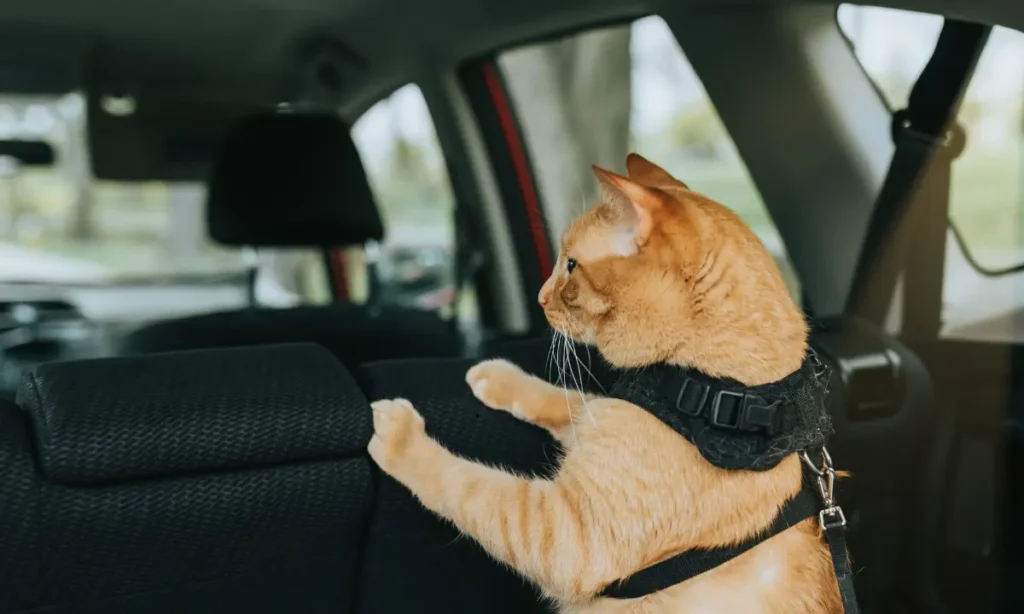
On the Road: Managing Travel Day Like a Pro
When travel day arrives, it’s natural to feel a little anxious—but with the right preparation, you can ensure everything goes smoothly. Here’s how to keep your cat calm, comfortable, and safe during the journey.
Before You Leave Home
Make a final checklist to ensure everything is in place:
- Feed your cat a light meal a few hours before departure to avoid motion sickness.
- Double-check your cat’s carrier for security and comfort (soft bedding, no loose edges).
- Attach ID tags with your contact information to the carrier and your cat’s collar.
- Confirm that you’ve packed all essentials, including food, water, treats, toys, and travel documents.
Tips for Car Travel
Traveling by car can be straightforward if you follow these guidelines:
- Secure the Carrier: Place the carrier on a flat surface, such as the back seat, and secure it with a seatbelt or bungee cord to prevent shifting during the ride.
- Monitor Temperature: Keep the car well-ventilated and maintain a comfortable temperature. Avoid leaving your cat alone in the car, especially in extreme weather.
- Plan for Breaks: For longer trips, stop every 2-3 hours to offer water and check on your cat. Use a portable litter box if needed, but keep your cat securely inside the carrier unless in an enclosed space.
Flying with Your Cat
Air travel requires a little extra care. Here’s what to expect:
- At the Airport: Arrive early to navigate security without rushing. During screening, you’ll need to carry your cat while the carrier is scanned—use a harness to prevent escapes.
- In the Cabin: Place the carrier under the seat in front of you, ensuring your cat has proper airflow. Speak softly to reassure them during takeoff and landing.
- Managing Layovers: Find quiet areas where you can offer your cat water and a chance to stretch in their carrier.
Tip: Avoid opening the carrier in unfamiliar spaces, even for comforting your cat. The risk of escape is too high.
Keeping Your Cat Calm
Even with preparation, your cat might feel uneasy. Here are some additional calming techniques:
- Speak in a soothing tone or play soft music to reduce stress.
- Cover part of the carrier with a breathable cloth to create a sense of security.
- Offer a favorite toy or treat for comfort during quieter moments.
Emergency Preparedness on Travel Day
Despite your best efforts, surprises can happen. Be ready to:
- Handle motion sickness with pet-safe wipes and extra bedding in case of accidents.
- Use your emergency first aid kit for minor injuries or discomfort.
- Contact a local vet or animal hospital in case of severe distress.
Travel day can be an adventure in itself, but staying calm and organized will help both you and your cat manage the experience. Once you’ve arrived, the next step is setting up a cozy, cat-friendly space at your destination.
Arriving at Your Destination: Setting Up a Cat-Friendly Space
Once you’ve arrived, the first thing on your to-do list should be ensuring your cat feels safe and comfortable in their new surroundings. Cats are territorial animals, and unfamiliar environments can be intimidating. By creating a welcoming and secure space, you’ll help your feline companion adjust quickly and reduce their stress.
Create a Safe Zone
Set up a designated area where your cat can relax and acclimate:
- Use Familiar Items: Place their carrier, favorite blanket, toys, and food bowl in a quiet corner. These familiar items will help reassure your cat.
- Choose a Quiet Space: Pick a room away from heavy foot traffic, loud noises, or other pets (if applicable).
- Let Them Explore Slowly: Allow your cat to come out of the carrier at their own pace. Don’t force them to explore—they’ll venture out when they feel comfortable.
Maintain Routine
Cats thrive on routine, and keeping things as consistent as possible will help them settle in:
- Feeding Schedule: Stick to your cat’s usual feeding times and offer their regular food.
- Playtime: Spend some one-on-one time engaging in play to help your cat burn off nervous energy and build confidence in the new space.
- Litter Box Placement: Place the litter box in a private, easily accessible spot. If your destination has multiple rooms, consider adding a second box until your cat becomes more comfortable navigating the space.
Help Your Cat Adjust to the New Environment
Every cat adjusts differently to new surroundings. Some may explore immediately, while others may hide for a while. Here’s how to handle both situations:
- For the Curious Cat: Let them explore gradually. Keep doors to unsafe areas closed and supervise their movements until you’re confident they’re secure.
- For the Shy Cat: Give them time. Speak softly, avoid sudden movements, and provide hiding spots like boxes or covered areas to make them feel secure.
Managing Multi-Day Stays
If you’re traveling and staying in hotels or short-term rentals:
- Inspect the Space: Check for potential hazards like open windows, exposed wires, or small spaces where your cat might get stuck.
- Keep Their Zone Consistent: Bring their bedding and toys to each new location to provide a sense of familiarity.
Finding Local Resources
When you’re staying in an unfamiliar area, it’s a good idea to locate nearby pet-friendly resources:
- Local Veterinarian: Identify a vet or animal hospital in case of emergencies.
- Pet Stores: Know where to buy cat supplies if you run low.
- Pet-Friendly Areas: Look for nearby parks or areas where your cat can enjoy safe exploration (if they’re leash-trained).
With a little patience and effort, your cat will soon adapt to their temporary home or new environment. Next, let’s discuss some unique challenges you might encounter while traveling with your cat and how to handle them effectively.
Unique Challenges and Solutions for Cat Travel
Even with the best preparation, traveling with a cat can come with unexpected hurdles. From navigating international regulations to managing long-term stays, here are some common challenges and how to tackle them effectively.
Traveling Internationally with a Cat
International travel can be complex due to varying regulations and requirements. Here’s how to ensure a smooth process:
- Research Entry Requirements: Many countries have specific rules for pets, including mandatory vaccinations, microchipping, or quarantine periods. Check these requirements months in advance.
- Health Certificates and Documentation: Most international destinations require a health certificate issued by a vet within a specific time frame before departure. Keep copies of all necessary paperwork.
- Quarantine Considerations: If quarantine is required, research the facility to ensure it meets your standards. Ask about visitation policies and daily care routines.
- Language Barriers: Use translation tools to communicate with local veterinarians or authorities if needed.
Tip: A travel agent experienced in pet relocations can be a lifesaver for complex trips.
Road Trips vs. Long-Term Relocation
The logistics of a short road trip differ significantly from moving with your cat. Here’s what to consider:
- Multi-Day Road Trips: Plan pet-friendly accommodations along your route. Some hotel chains offer perks like pet beds and litter boxes for guests traveling with cats.
- Relocating with Your Cat: If you’re moving permanently, set up a familiar “safe zone” in your new home. Unpack your cat’s items first to help them feel at ease during the transition.
Camping or RV Travel with Cats
For outdoor enthusiasts, traveling with a cat in an RV or at a campsite presents its own challenges:
- Safety First: Always supervise your cat outdoors. Use a harness and leash or a portable playpen to keep them secure.
- Wildlife Precautions: Be aware of potential dangers, such as predators or toxic plants, and keep your cat protected.
- Comfort in Small Spaces: Cats often adapt well to RV living as long as they have a cozy, familiar space inside.
Handling Motion Sickness
Some cats experience motion sickness during travel. Symptoms include drooling, vomiting, or excessive meowing. Here’s how to manage it:
- Avoid feeding your cat right before travel.
- Use a carrier positioned to minimize motion (e.g., secured in a stable spot).
- Ask your vet about anti-nausea medications or natural remedies.
What to Do If Your Cat Escapes
Even with precautions, accidents can happen. If your cat escapes:
- Stay calm and avoid chasing them, which may scare them further.
- Use their favorite treats or toys to lure them back.
- Spread the word: Alert locals, post on social media, or contact nearby animal shelters.
Tip: Microchipping and a collar with updated ID tags can make reuniting with your cat much easier.
Dealing with Unfamiliar Surroundings
Cats may be nervous in new environments, leading to hiding, reduced appetite, or increased vocalization. To help them adjust:
- Stick to routines and provide familiar items.
- Use calming aids like pheromone sprays.
- Give them time—some cats may take days or even weeks to fully settle in.
While these challenges can seem daunting, being prepared and staying adaptable will help you handle them with confidence. Next, we’ll wrap up with bonus resources and a checklist to make your trip even easier.
Bonus Resources for Cat Travelers
To make your journey with your feline friend even smoother, we’ve compiled a list of resources and tools to support you before, during, and after your trip. From handy checklists to expert recommendations, these extras will help you stay prepared.
Travel Checklist: Cat Essentials
Here’s a downloadable checklist of everything you’ll need for a stress-free trip:
- Carrier (secure, ventilated, and appropriate size).
- Portable litter box and preferred litter.
- Food and water, plus collapsible bowls.
- Comfort items (blanket, toys, and treats).
- First aid kit for cats.
- Veterinary records and travel documents.
- ID tags and a recent photo of your cat.
- Cleaning supplies (wipes, extra bedding, waste bags).
Top Pet-Friendly Resources
Whether you’re traveling domestically or internationally, these resources can be invaluable:
- Airline Pet Policies: Visit the pet travel sections of airlines you’re considering to understand their rules and fees.
- Pet-Friendly Accommodations: Websites like BringFido and Airbnb have filters to help you find hotels and rentals that welcome cats.
- Local Vets and Emergency Services: Use apps like VetFinder or search online for nearby veterinarians at your destination.
- Travel Forums and Communities: Join online groups where fellow travelers share tips and recommendations for pet travel.
Recommended Products for Cat Travel
Here are some highly rated items to consider:
- Cat Carriers: Look for brands like Sleepypod (known for safety and comfort) or Sherpa (popular for airline travel).
- Calming Aids: Products like Feliway diffusers, calming collars, or Zesty Paws calming bites.
- Portable Litter Boxes: The Pet Fit For Life Portable Litter Box or Nature’s Miracle Disposable Litter Boxes.
- Tracking Devices: GPS trackers like Whistle or Tractive for added peace of mind.
FAQ: Common Cat Travel Concerns
Addressing some frequently asked questions:
1. Can I sedate my cat for travel?
Only use sedatives under the advice of a veterinarian, as they can have side effects.
2. How do I prevent accidents during travel?
Offer bathroom breaks during longer trips and line the carrier with absorbent pads.
3. What if my cat refuses to eat or drink?
This is common during short trips. Encourage hydration by offering wet food or using a syringe with water if necessary.
Engage with the Community
Traveling with your cat can be a learning experience, and sharing your journey can help others. Post your tips, challenges, or photos online and connect with other pet travelers. Who knows—you might inspire someone else to take their cat on an adventure!
Conclusion: Make Every Journey with Your Cat Memorable
Traveling with a cat may require extra planning, but the rewards of sharing your adventures with your furry companion are worth it. By understanding your cat’s needs, preparing thoroughly, and staying flexible, you can create memories that last a lifetime.
So pack your bags, grab the carrier, and get ready for a journey filled with purrs, exploration, and joy. Your cat might just surprise you with how well they adapt—and how much they enjoy the ride.