

James Franklin is a prominent American football coach, currently serving as the head coach of the Penn State Nittany Lions since January 11, 2014. Born on February 2, 1972, in Langhorne, Pennsylvania, he has built a successful coaching career marked by achievements at both the collegiate and NFL levels, particularly during his tenure as the head coach of the Penn State Nittany Lions.
He later held various roles at the University of Maryland, including wide receivers coach and recruiting coordinator, before moving to the NFL as a wide receivers coach for the Green Bay Packers in 2005.
Franklin has set the standard for excellence in his field. Under his guidance, teams have consistently achieved remarkable success.James Franklin keeps shaping the future of the sport and inspiring the next generation of coaches and athletes.
Building a Program on Relationships and Trust
James Franklin‘s coaching style is different from the traditional, often strict approach of football coaches. Instead, he focuses on building genuine relationships with his players, showing that he truly cares about them and their future. Franklin believes that when players see how much he cares, he can challenge and push them to be their best because they know his demands come from a place of support and concern. As he puts it, “If the players know how much I truly care about them and their futures, then I can be demanding because they know it’s from a good place.”
Franklin’s idea of a family-like environment isn’t limited to just the players. He also encourages his coaching staff to involve their families, bringing a sense of togetherness and community. This way, the whole program feels united, which helps build trust and respect among everyone involved. This supportive culture allows Franklin to push his players to succeed while making sure they feel appreciated.
Another key part of Franklin’s leadership is his focus on player accountability. He wants his players to take charge of the team’s culture, holding each other responsible both on and off the field. By doing this, he creates a team-first mindset where everyone works toward shared goals.
When Franklin arrived at Penn State in 2014, he faced a tough challenge. The program was still recovering from NCAA sanctions and multiple coaching changes that had left fans and players feeling unsure. Franklin knew he had to earn the trust of a team that had already been through a lot. He also understood that Penn State was a unique place, and what worked at Vanderbilt, his previous job, might not work the same way here. Building trust and understanding the community became his top priorities in stabilizing and uplifting the team.
“Process” and Player Development: Beyond the X’s and O’s
At the heart of James Franklin’s coaching philosophy is his “process,” a well-rounded approach to player development that goes beyond just physical skills and tactical know-how. This process teaches players important values like consistency, attention to detail, and striving for excellence in all areas of their lives. Franklin believes in developing players not just as athletes but as people, preparing them for success both on the field and in life after football.
Franklin has also adapted his recruiting strategies to meet the challenges of modern college football. He understands the importance of Name, Image, and Likeness (NIL) opportunities and the transfer portal, while still valuing the foundation of high school recruiting. His ability to attract top talent to Penn State shows his skill in balancing these new changes with his core recruiting principles.
Penn State’s game strategies are also carefully planned to bring out the best in the players. On offense, coordinator Andy Kotelnicki uses a fast-paced, balanced system that highlights the strengths of Penn State’s skilled players. This approach focuses on creating opportunities for big plays and keeping defenses guessing. On defense, coordinator Tom Allen emphasizes an aggressive, attacking style aimed at disrupting offenses and forcing turnovers. This strategy pairs well with the offense, often giving the team favorable field position and more chances to score.
The Turning Point: 2016 and the Rise Back to Prominence
The 2016 season was a turning point for James Franklin and Penn State football. That year, the team won the Big Ten Championship, marking their comeback as a top national contender. This success showcased Franklin’s methods and the team’s ability to push through challenges.
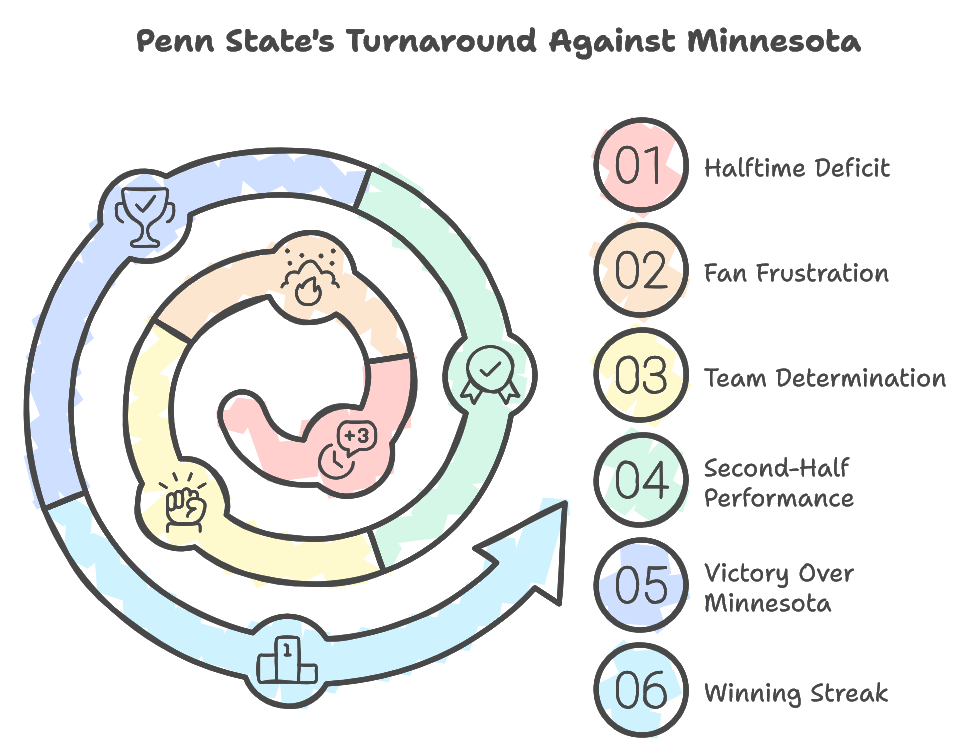
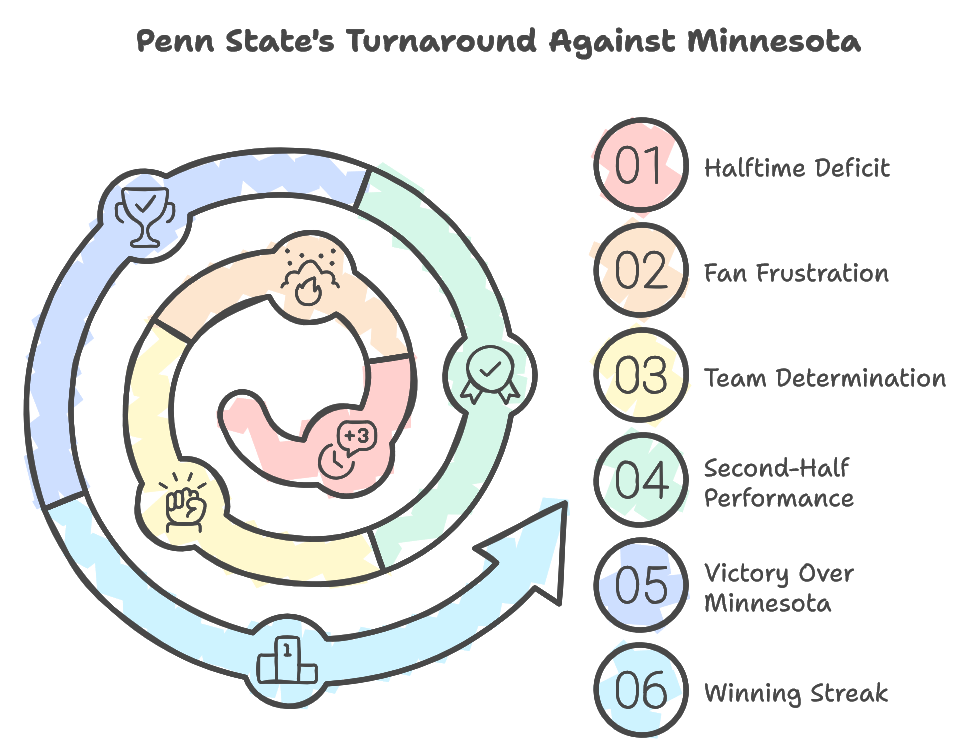
One of the key moments that season was a game against Minnesota. At halftime, Penn State was losing, and frustrated fans were chanting “Fire Franklin.” Reflecting on that game, Franklin recalled the team’s determination: “We go in at halftime, and we come out and find a way to beat a good Minnesota team.” The team’s strong second-half performance, which became a signature of Franklin’s coaching, sparked a nine-game winning streak that eventually led to their championship run.
The season’s highlight was a thrilling win in the Big Ten Championship game against a tough Wisconsin team. This victory not only brought Penn State back into the national spotlight but also proved Franklin’s critics wrong. It united the Penn State community, bringing pride and excitement back to the program and signaling a bright future under Franklin’s leadership.
The Next Chapter: Challenges, Opportunities, and the Pursuit of a National Championship
Despite the progress Penn State has made under James Franklin, the team still faces major hurdles in its quest for a national championship. The changing world of college football, with new factors like Name, Image, and Likeness (NIL) deals and the transfer portal, brings both opportunities and complications for the program.
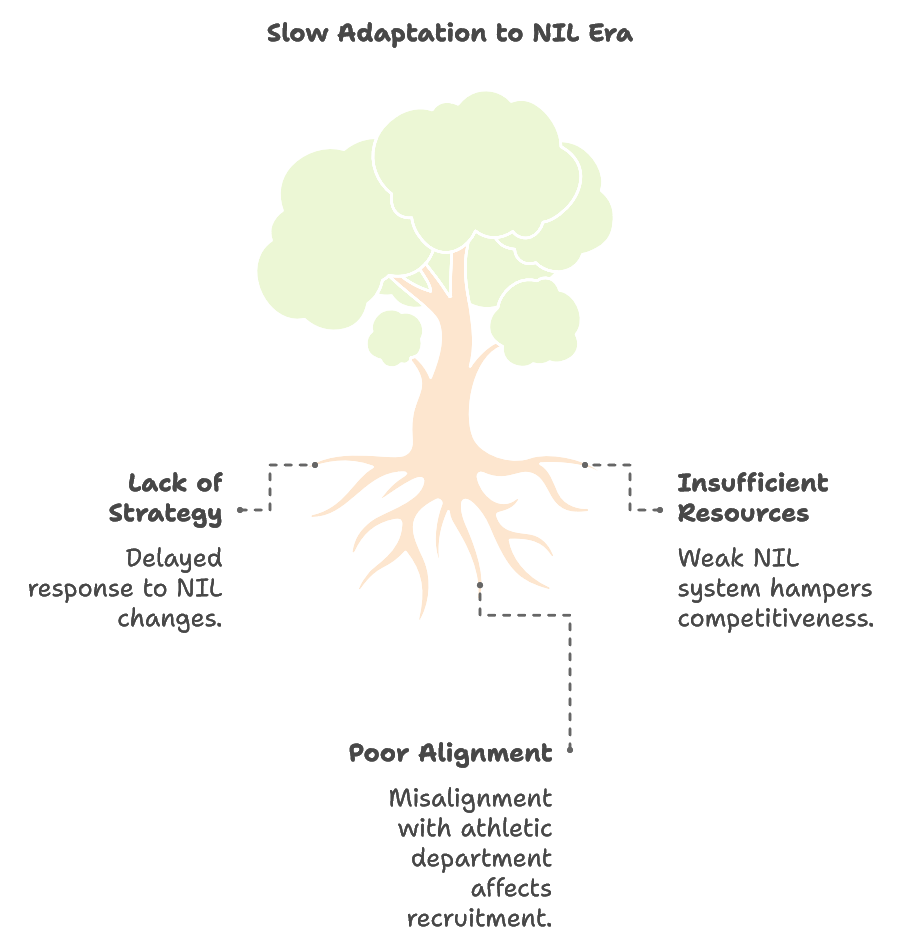
Franklin admits that Penn State was slow to adjust to the NIL era. “Two years ago, we were way behind,” he says. “Now, we’re starting to make some significant progress, but we’re still two years behind.” He highlights the need for a strong NIL system and better alignment with the athletic department to stay competitive in bringing in and keeping top players.
The transfer portal adds another layer of difficulty and strategy. Franklin prefers to build his team with high school recruits, using the portal only to fill urgent gaps rather than relying on it as a main source of talent. He knows the portal can be helpful but wants to preserve team culture and chemistry, which can be hard to maintain with frequent player movement.
One of Penn State’s biggest challenges remains their performance against powerhouse conference rivals Ohio State and Michigan. These teams are often the barriers between Penn State and championship aspirations. Franklin and his staff are focused on closing this gap by developing players, making smart recruiting decisions, and improving in-game strategies to compete more effectively in these high-stakes matchups.
Also Read About- Damian Lillard Stats, Bio, Basketball Career, Awards and Net worth 2024
The Future: Sustaining Success and Building a Lasting Legacy
As James Franklin continues to shape Penn State football, he aims to create a lasting model for success that both respects the program’s proud history and embraces necessary change. His approach blends tradition with modern coaching strategies, honoring the school’s legacy while pushing for innovation. This balance has helped him connect with the Penn State community, who appreciate both the respect for their roots and the vision for the future.
One notable trend under Franklin’s leadership is how Penn State teams often excel in the second half of games. While these strong finishes have led to important wins, they also raise questions about consistency and whether the team can deliver a complete performance from start to finish. Analysts and fans debate whether this pattern comes from Franklin’s in-game adjustments, the players’ mentality, or other factors, making it an area to watch for future improvements.
The high expectations surrounding Penn State football add to the pressure Franklin faces, especially with national attention on the program’s quest for a championship. However, he stays focused on the process and steady progress, working to avoid getting caught up in the outside noise. Franklin’s commitment to incremental improvement, rather than being swayed by media narratives, reflects his measured approach to building a successful and resilient program.
Conclusion
The question still stands: Can James Franklin take Penn State all the way to a national championship? Under his leadership, the program has made huge progress, achieving a Big Ten Championship and becoming a consistent contender in the national rankings. Franklin’s focus on building strong relationships, developing players in every aspect of their lives, and fostering a culture of accountability has created a solid foundation for ongoing success.
Yet, significant challenges persist. To reach the top, Penn State must close the gap with tough conference rivals like Ohio State and Michigan, adapt effectively to the evolving NIL and transfer portal dynamics, and work on delivering consistent performances throughout entire games. The road to a national title is demanding, but Franklin’s commitment to his “process,” his willingness to adjust to college football’s changing landscape, and his deep care for his players give hope that Penn State is on the right path to compete for the sport’s highest honors.













2 thoughts on “James Franklin’s Penn State: Building a Championship Culture in a New Era”