
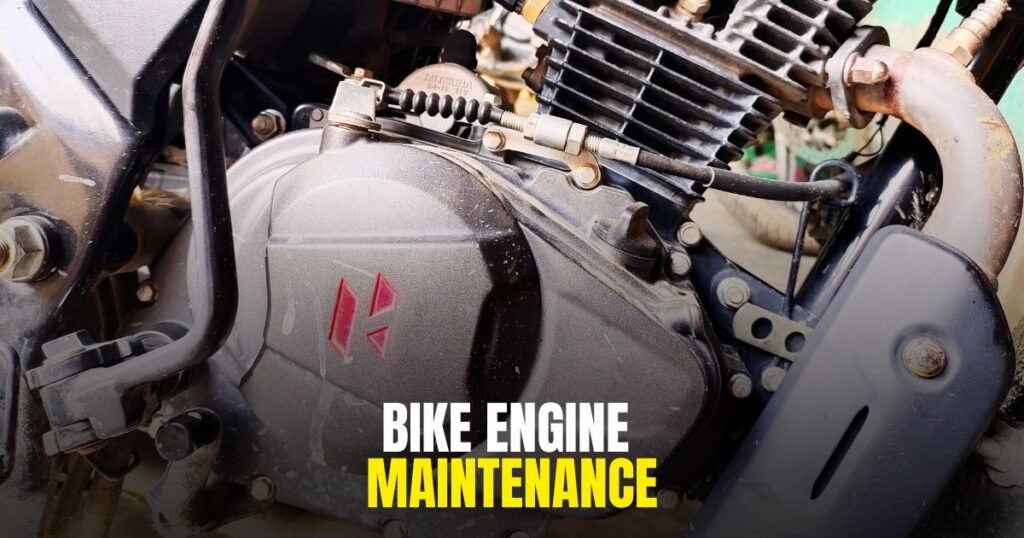
Motorcycle engines are complex machines built for speed and power. One way to tell if something’s wrong is by listening to the sounds your bike makes. Motorcycles are known for their unique sounds, which can range from the comforting rumble of a well-tuned engine to alarming noises that signal potential issues. Recognizing these sounds is crucial for every rider, as they can provide early warnings of mechanical problems.
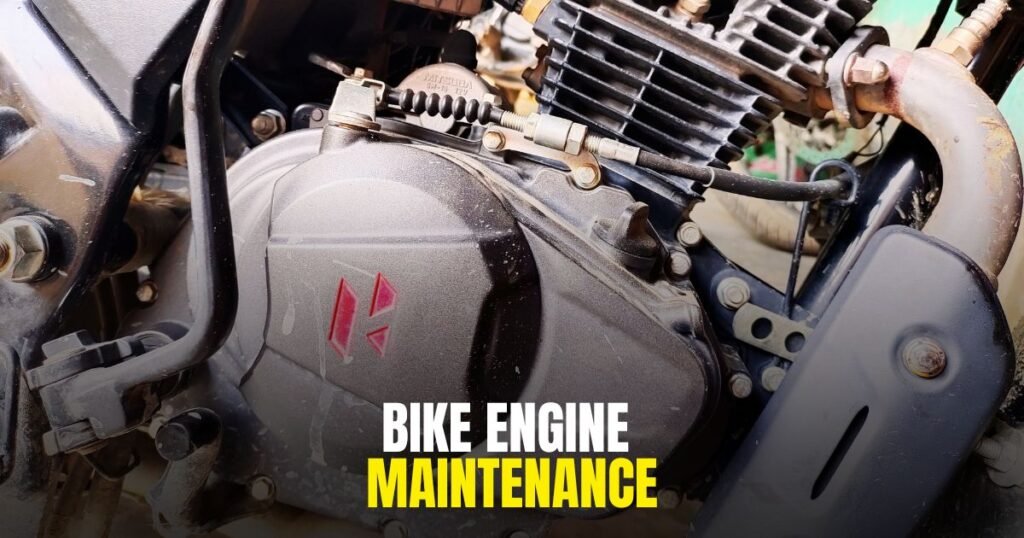
Listening to your motorcycle’s engine is not just about enjoying the ride; it’s about being proactive in maintenance. Each sound can indicate the health of various components, and recognizing unusual noises can prevent minor issues from rapidly escalating into major repairs. It’s crucial to address these noises promptly to avoid accidents and make use of bike insurance for repairs. In this article, we discuss common engine sounds, what they mean, and how to address them effectively.
3. The Knocking Sound from the Bottom End
Description and Causes:
One of the most concerning sounds is a knocking noise emanating from the bottom end of the engine, particularly around the gearbox area. This sound becomes more pronounced as you increase the engine’s RPM. The knocking noise starts slowly and becomes louder and more persistent with higher RPMs.
This sound is often indicative of severe engine problems. It could be caused by issues with the bearings of your crankshaft or the connecting rod. Bearings are crucial for supporting the crankshaft’s rotation, and any wear or damage can result in a knocking sound. Similarly, problems with the connecting rod, which connects the crankshaft to the piston, can also produce this noise.
What to Do:
If you hear this knocking sound, it’s crucial to address it immediately. Ignoring this noise could lead to severe engine damage. Start by inspecting the crankshaft bearings and connecting rods. If you’re not familiar with engine internals, it’s best to take your bike to a professional mechanic. They can perform a thorough diagnostic to determine the extent of the damage and recommend appropriate repairs or replacements.
2. The Ticking Noise from the Top End
Description and Causes:
The second sound to be aware of is a ticking noise from the top end of the engine, where the engine head is located. This noise is especially noticeable when the engine is idling. Unlike the knocking sound, the ticking noise is less severe and is usually more noticeable at idle. It may not be as prominent when the engine RPMs increase.
The ticking sound often results from the breakdown of engine oil. Engine oil lubricates various engine components, and if it deteriorates, it can cause unusual noises. However, if the ticking persists even after changing the oil, it might indicate that the valves are out of specification. The valve clearance may need adjustment.
What to Do:
If you hear this ticking noise, start by checking the engine oil. Ensure that it’s at the proper level and hasn’t degraded. If changing the oil doesn’t resolve the issue, you might need to inspect the valve clearance. This involves checking the gap between the valve and its rocker arm. If you’re not comfortable performing this inspection yourself, a qualified mechanic can help adjust the valves to the correct specifications.
3. The Knocking Noise on Startup
Description and Causes:
The third sound to be aware of is a knocking noise you might hear when starting the bike. This noise usually stops abruptly after a few seconds. It’s commonly associated with the chain tensioner, a component that maintains the correct tension in the timing chain.
When you give the bike throttle and increase the RPM, the noise may not be as apparent. However, when you blip the throttle or let off the throttle—causing the RPM to fluctuate—the timing chain or the timing chain tensioner guides can produce this knocking sound.
What to Do:
This knocking sound is often related to the timing chain tensioner. While you don’t need to open the engine to address this issue, you should inspect the timing chain tensioner for damage. If it appears worn or malfunctioning, replacing it in a timely manner is crucial to prevent potential engine damage. A mechanic can assist with this replacement if you’re not familiar with the procedure.
Preventive Measures and Maintenance Tips
Understanding these engine sounds is essential for maintaining your motorcycle in peak condition. Regular maintenance and timely repairs can prevent many of these issues from becoming severe. Here are some general maintenance tips:
- Regular Oil Changes: Ensure that you change the engine oil according to the manufacturer’s recommendations. Fresh oil helps maintain proper engine lubrication and can prevent many common noises and issues.
- Routine Inspections: Regularly inspect critical engine components, including the crankshaft bearings, connecting rods, and timing chain tensioner. Catching problems early can save you from costly repairs.
- Professional Servicing: When in doubt, seek help from a qualified mechanic. They can perform detailed diagnostics and repairs that go beyond basic maintenance.
- Listening to Your Engine: Pay attention to any unusual sounds your engine makes. Early detection of issues often leads to simpler and less expensive fixes.
Also Read About – Which Royal Enfield Motorcycles is Best
Conclusion
While hearing strange noises from your motorcycle engine can be alarming, listen what these sounds mean and how to address them can help you keep your bike running smoothly. Regular maintenance and cause attention to any issues are key to ensuring your motorcycle remains reliable and enjoyable to ride.