In this article
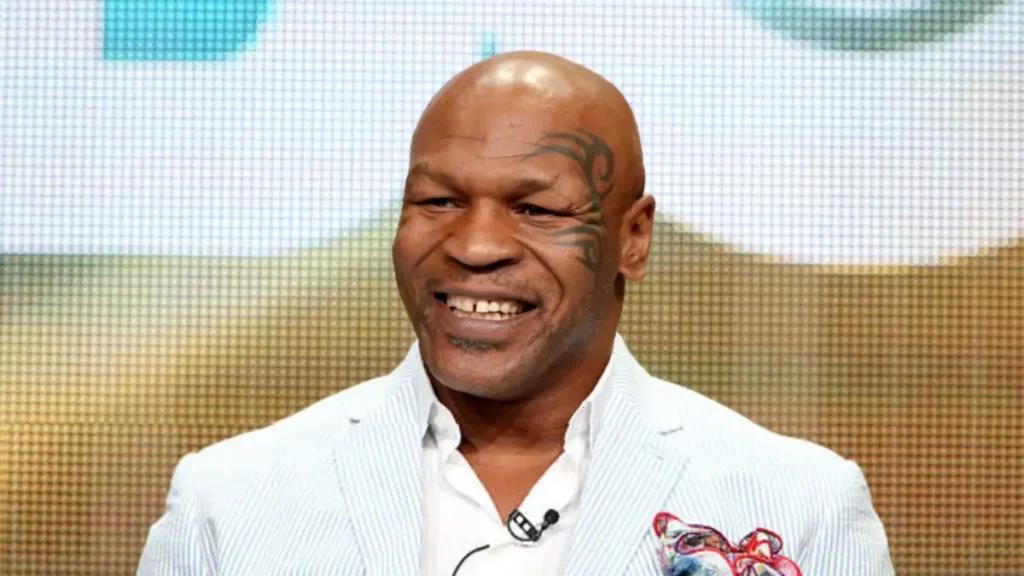
Mike Tyson, once known as the “Baddest Man on the Planet” and the undisputed heavyweight champion of the world, has experienced a remarkable transformation, both personally and financially. His journey from a peak net worth of $300 million to declaring bankruptcy in 2003.
Tyson subsequent resurgence as a successful entrepreneur, provides a compelling case study in the volatility of wealth and the power of reinvention. in This article all about Mike Tyson net worth and the factors contributing to Tyson’s financial downfall, analyze his strategic comeback, and examine his current ventures, particularly in the cannabis industry, which have played a significant role in his financial resurrection.
Mike Tyson’s net worth has fluctuated significantly throughout his life, particularly following his boxing career. As of 2026, Celebrity Net Worth estimates his net worth at around $30 million. This figure is a stark contrast to the $300 million he reportedly reached at the peak of his career in the late 1980s and early 1990s.
Career Highlights and Financial Struggles
- Peak Earnings: Tyson earned over $430 million from boxing matches and endorsements during his career. The 2002 fight against Lennox Lewis is often described as a $100 million-plus payday, but that is closer to what the event took in: it set a pay-per-view record of about $106.9 million, while Tyson’s guaranteed purse was $17.5 million plus a share of that revenue, per ESPN and the fight’s Wikipedia record. Nights like that also made fortunes on the promotional side of the sport, which is where a figure such as Eddie Hearn sits — his wealth breakdown and career earnings show how promoters get paid.
- Bankruptcy: In 2003, Tyson filed for bankruptcy, reporting debts of approximately $23 million. His financial decline was attributed to lavish spending, poor business decisions, and exploitation by former managers.
- Recent Earnings: Following a series of financial challenges, Tyson has managed to stabilize his finances through various ventures, including a successful cannabis business and media engagements. For instance, he earned $20 million from his recent fight against Jake Paul on November 15, 2024.
Current Financial Status
Despite the ups and downs, Tyson has shown resilience in rebuilding his financial status. His current net worth of $30 million reflects both the significant earnings from his past and the ongoing challenges he has faced throughout his life.
Rise and Fall of a Financial Empire
Mike Tyson’s early career was marked by extraordinary success. At the age of 20, he became the youngest heavyweight champion in history, and his ferocious boxing style and knockout power captivated audiences worldwide. His dominance in the ring translated into substantial financial gains, with earnings from fights and endorsements reaching an estimated $430 million, equivalent to approximately $700 million in today’s dollars. However, Tyson’s extravagant spending habits quickly became legendary. Purchases widely reported at the time included a $2 million gold bathtub for his ex-wife Robin Givens, a collection of Bengal tigers that cost $70,000 each, and a fleet of luxury cars exceeding 100 vehicles.
Tyson’s financial woes were exacerbated by alleged exploitation by his promoter, Don King, and a series of legal troubles, culminating in his 1992 conviction for rape and subsequent imprisonment. While incarcerated, his lavish spending continued, with expenditures on cars, jewelry, and even an animal trainer for his tigers reaching staggering amounts. Upon his release in 1995, Tyson attempted a comeback, but his career was marred by controversy, including the infamous ear-biting incident during his 1997 rematch against Evander Holyfield.
By 2003, Tyson’s financial situation had deteriorated to the point of bankruptcy. According to court filings, he was $23 million in debt, despite having earned hundreds of millions during his boxing career. The stark contrast between his peak net worth and his bankruptcy filing underscores the fragility of wealth and the devastating consequences of financial mismanagement, even for those who achieve extraordinary success.
Post-Retirement Career and Comeback Strategy
Following his retirement from professional boxing in 2005, Tyson embarked on a journey of reinvention, embracing a diverse range of opportunities to rebuild his life and career. He transitioned into Hollywood, capitalizing on his notoriety and charisma through appearances in films like “The Hangover” and his animated series “Mike Tyson Mysteries.” His foray into entertainment demonstrated his ability to leverage his personality for commercial success and connect with a wider audience beyond the boxing world.
A key factor in Tyson’s resurgence has been the enduring power of the “Mike Tyson” brand. His name recognition, coupled with his iconic status and controversial past, continues to draw significant attention and generate interest across various ventures. He has effectively utilized this brand power to establish himself as a successful entrepreneur, forming strategic partnerships and launching ventures such as his cannabis companies, “Tyson Ranch” and “TYSON 2.0,” his podcast, and his role in the Legends Only League, a sports league for retired athletes. Combat entertainment rewards that kind of name equity elsewhere too: Kenny Omega combines wrestling with an executive role, and his AEW salary and career earnings show what the double role is worth.
Tyson’s entrepreneurial pursuits demonstrate his business acumen and his strategic approach to leveraging his fame to create new income streams. He has partnered with individuals like Sophie Watts and her company, Eros Innovations, to co-found the Legends Only League, showcasing his ability to collaborate with industry professionals to maximize his business ventures’ success. His ventures highlight a deliberate effort to diversify his income sources beyond traditional boxing-related avenues.
Back in the Ring: Tyson vs. Paul Phenomenon
The recent rise in popularity of celebrity boxing matches has provided another avenue for Tyson to generate income and reassert his presence in the public eye. These matches, often featuring participants with little to no professional boxing experience, capitalize on the public’s fascination with celebrity and the inherent spectacle of combat sports. While these events may draw criticism for their lack of athletic legitimacy, they undeniably generate significant revenue for the participants and organizers. Scripted combat has been selling the same appetite for decades, and the pay scales are public enough to compare: see Chris Jericho’s AEW salary and contract.
November 15, 2024, fight between Mike Tyson and Jake Paul, a social media personality turned boxer, exemplifies this trend. Despite the age difference—Tyson being 31 years Paul’s senior—the bout generated immense public interest, largely due to the notoriety of both fighters and the strategic partnership with Netflix, marking the streaming giant’s most significant investment in live sports to date. The fight, which reportedly paid Paul around $40 million and Tyson around $20 million, highlights the lucrative nature of celebrity boxing and Tyson’s continued ability to command substantial fees, even years after his retirement from professional boxing. Sanctioned fighting pays on a very different curve: a ranked UFC featherweight such as Lerone Murphy earns a fraction of a celebrity-boxing purse, as his fight purses and career earnings make clear.
A second exhibition, against Floyd Mayweather, was announced in September 2025 for the spring of 2026. It was postponed after Tyson broke his hand in training, Sports Illustrated and Yahoo Sports reported, and a September date in Dallas named in later court filings came and went without the fight taking place. No purse for it has been confirmed, so it adds nothing to the figures on this page yet.
Also Read About- How Many Games Are in the World Series? All You Need to Know!
Tyson Ranch and TYSON 2.0
Mike Tyson’s foray into the cannabis industry represents a strategic move to capitalize on the rapidly growing market for legal marijuana products. In 2015, anticipating the legalization of recreational cannabis in California, Tyson established “Tyson Ranch,” a cannabis cultivation and product development company. This venture, initially focused on growing cannabis on the rooftop of a mansion in the Los Angeles area, has expanded into a multi-faceted operation, including a 420-acre resort in Palm Springs, California, catering to cannabis enthusiasts.
In 2021, Tyson further solidified his presence in the cannabis market with the launch of “TYSON 2.0,” a brand offering a diverse range of cannabis products, including flower, edibles, and accessories. Notably, the company’s “Mike Bites” edibles, chewable gummies shaped like an ear with a bite taken out, directly reference the infamous ear-biting incident from Tyson’s past, demonstrating his ability to embrace and even profit from his controversial history.
Tyson’s cannabis ventures have proven successful, generating significant revenue and establishing him as a prominent figure in the burgeoning legal marijuana industry. His success in this arena can be attributed to several factors, including the strength of the “Mike Tyson” brand, his strategic partnerships, and his authentic connection with cannabis culture. Fighters without that brand power lean on sponsorship to top up their purses instead, a pattern visible in Gillian Robertson’s UFC purses and sponsorships.
Conclusion
Tyson’s current financial success, evidenced by an estimated net worth of about $30 million in 2026, indicates a significant recovery from his 2003 bankruptcy. Estimates differ sharply by source: the much larger numbers that circulate online are career-earnings totals, not current wealth. His ventures in entertainment, cannabis, and even his return to exhibition boxing demonstrate a multifaceted approach to income generation that capitalizes on his enduring fame and his ability to connect with diverse audiences.
As Tyson continues to navigate the business world and explore new opportunities, his story serves as an inspiration for those seeking to overcome adversity and achieve financial stability. His willingness to embrace change, learn from his mistakes, and leverage his unique personal brand provides a blueprint for success in an ever-evolving economic landscape. Updated 2 October 2026: the claim that Tyson earned $103 million from the Lennox Lewis fight was corrected (his guaranteed purse was $17.5 million; about $106.9 million was the event’s pay-per-view revenue, per ESPN and Wikipedia), and the postponed Mayweather exhibition was added (Sports Illustrated, Yahoo Sports). Earlier, on 3 September 2026: net worth figures rechecked against Celebrity Net Worth (reported by Parade) and the reported Tyson-Paul purses (Bleacher Report, CBS News, Forbes).

1 thought on “Mike Tyson Net Worth 2026: From Bankruptcy to Cannabis Empire”