
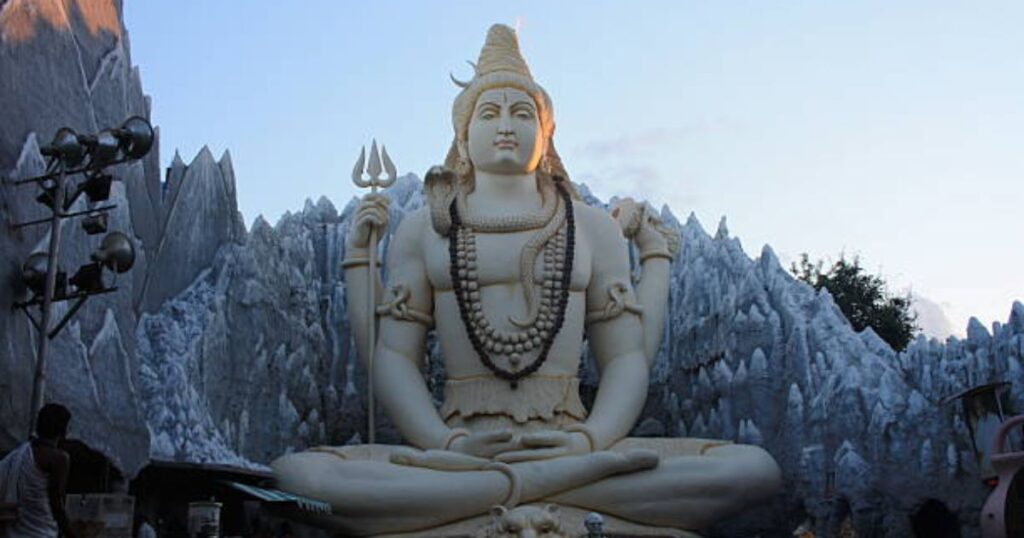
हर हर महादेव!
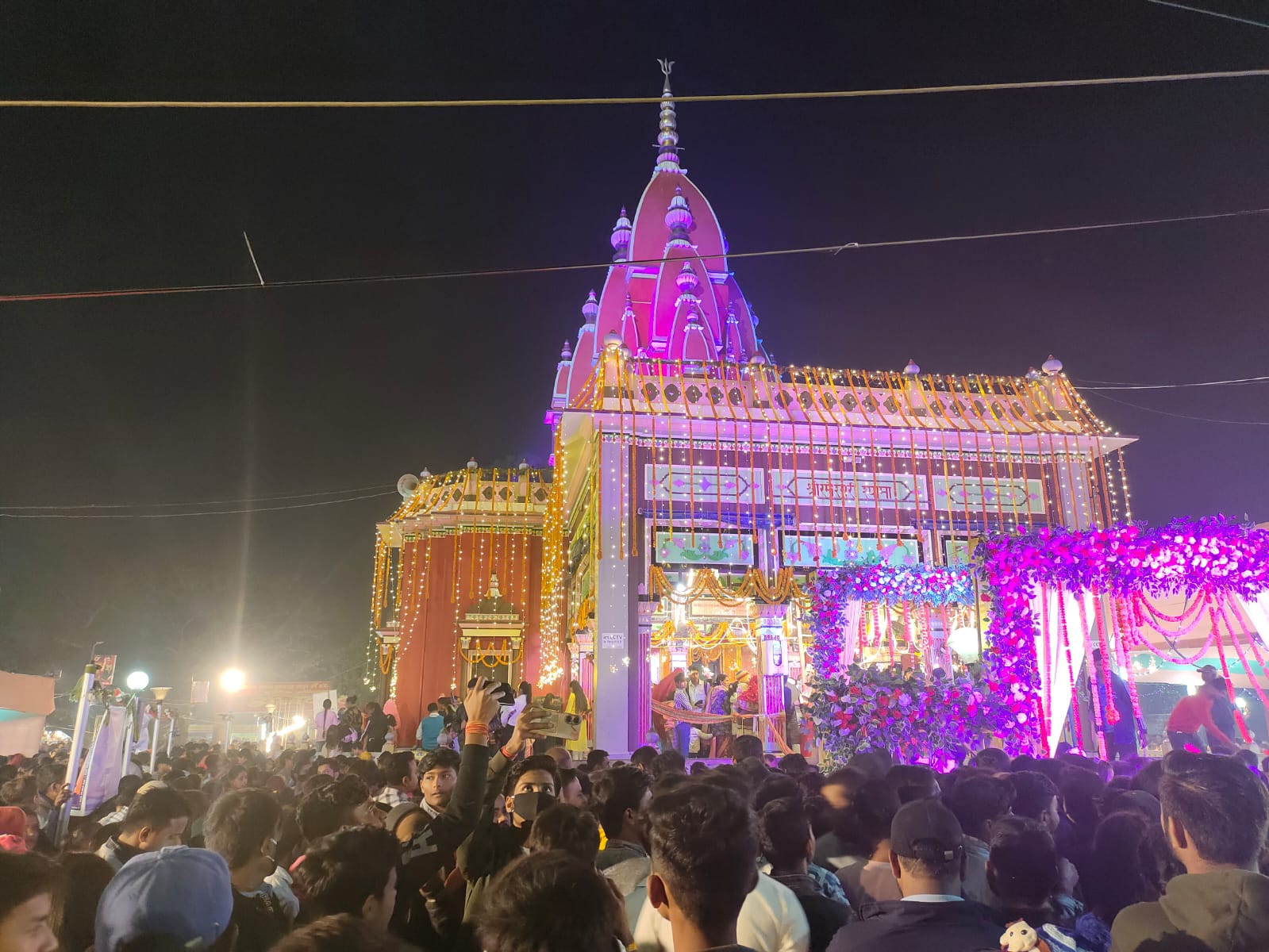
Sawan is begin, India is a country of diverse cultures and traditions, where festivals have great significance. The presiding deity of the month of Shravan is Lord Shiva. This is the best time for millions of Hindus around the world to devote themselves to spiritual activities, fasting, and celebration. This month is considered one of the most auspicious months of the year. During this time, devotees of Lord Shiva observe a fast on Mondays to receive the blessings of Lord Shiva and Parvati.
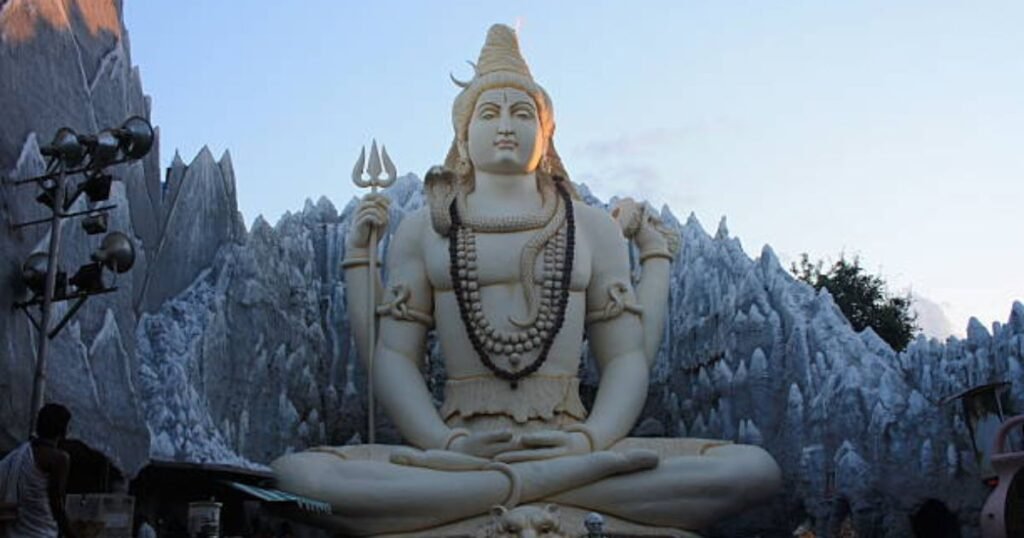
This unique festival celebrated during the monsoon season has a rich history, deep symbolism, and a special way of worship. In this article, we will explore the origin, relevance, and procedure of Sawan Puja along with the steps to be followed during this auspicious festival.
Worshiping Lord Shiva during this month is believed by devotees to bring blessings, prosperity, and the fulfilment of desires.
Mythological and cultural background of Sawan
The central theme of Sawan revolves around the mythological event of Samudra Manthan, the churning of the cosmic ocean. During this epic event, numerous divine objects and celestial beings emerged, including the potent poison, Halahal. To save the universe from its destructive power, Lord Shiva, the supreme deity, consumed the poison. However, his consort, Goddess Parvati, pressed his throat to prevent the poison from reaching his stomach, turning his throat blue.
“ॐ त्र्यम्बकं यजामहे सुगन्धिं पुष्टिवर्धनम्
उर्वारुकमिव बन्धनान् मृत्योर्मुक्षीय मामृतात्!”
This act of selfless sacrifice earned Lord Shiva the epithet “Neelkanth,” meaning the one with the blue throat. Sawan is considered to be the month when this divine event occurred, making it a time of heightened reverence for Lord Shiva.
Cultural Significance
- Devotion to Lord Shiva: Sawan is primarily dedicated to Lord Shiva, and devotees observe strict fasts, offer prayers, and perform special rituals to seek his blessings.
- Fertility and Abundance: The month is associated with rain and agriculture, symbolizing fertility and abundance. Many rituals and customs during Sawan are aimed at ensuring a bountiful harvest.
- Spiritual Purification: Sawan is considered an auspicious time for spiritual purification and renewal. Devotees engage in acts of charity, meditation, and self-discipline.
- Cultural Celebrations: The month is marked by various cultural celebrations, including folk songs, dances, and fairs.
Observances During Sawan
- Fasting: Many people observe strict fasts on Mondays, considered especially auspicious to Lord Shiva.
- Worship: Devotees offer water, milk, and bilva leaves to Lord Shiva as acts of worship.
- Pilgrimage: Many undertake pilgrimages to holy sites associated with Lord Shiva, such as Varanasi, Haridwar, and Ujjain.
- Charity: Giving to the needy is considered a virtuous act during Sawan.
In essence, Sawan is a month of deep spiritual connection, cultural richness, and devotion to Lord Shiva. It is a time for introspection, purification, and celebration of the divine.
Rituals and traditions associated with Sawan
Sawan, a month deeply revered by Hindus, is filled with a plethora of rituals and traditions aimed at seeking blessings from Lord Shiva.

Key Rituals
- Fasting: The most prominent ritual is fasting, especially on Mondays, which are considered particularly auspicious to Lord Shiva. Many observe strict fasts, consuming only water or fruits.
- Worship: Devotees offer prayers, hymns, and worship to Lord Shiva. The worship often involves offering water, milk, honey, and bilva leaves to the Shiva lingam.
- Abhishek: This ritual involves bathing the Shiva lingam with water, milk, honey, curd, ghee, and sugar (Panchamrit) to purify and please the deity.
- Chanting Mantras: Reciting mantras, especially the Mahamrityunjaya Mantra, is considered highly beneficial during Sawan.
- Kanwar Yatra: This arduous pilgrimage involves devotees carrying holy water from the Ganges River in containers called Kanwars and offering it to Shiva temples.
- Nag Panchami: Celebrated on the fifth day of the bright half of Sawan, this day is dedicated to worshipping snakes. People offer milk and prayers to snake deities for protection.
- Hariyali Teej: Primarily observed by married women, this festival is dedicated to Goddess Parvati. Women fast for the well-being of their husbands and perform rituals.
Other Customs
- Wearing Rudraksha: Many people wear Rudraksha beads, believed to be sacred to Lord Shiva, during Sawan.
- Avoiding Certain Foods: Some people abstain from consuming onions, garlic, and non-vegetarian food during this holy month.
- Donating: Charity and helping the needy are considered virtuous acts during Sawan.
These rituals and traditions are deeply ingrained in the cultural and religious fabric of India, and they serve as a powerful expression of devotion to Lord Shiva.
Festivities during Sawan – Kanwar Yatra and Shivling worship
The Kanwar Yatra is a significant pilgrimage undertaken by millions of devotees during the holy month of Sawan. It is a display of unwavering faith and devotion to Lord Shiva.
- The Journey: Devotees, known as Kanwariyas, travel long distances on foot, often barefoot, carrying water from the sacred Ganges River in two earthen pots balanced on a wooden pole called a Kanwar.
- Significance: The water collected from the Ganges is considered holy and is offered to Lord Shiva as a symbol of purification and devotion. The journey itself is seen as a form of penance and a way to seek blessings from the deity.
- Celebration: The Kanwar Yatra is accompanied by vibrant celebrations, with devotees singing devotional songs, chanting mantras, and dancing in ecstasy. The atmosphere is filled with a sense of camaraderie and spiritual fervor.
Shivling Worship: A Sacred Ritual
The worship of the Shivling, a symbolic representation of Lord Shiva, is a central aspect of Sawan.
- Significance: The Shivling is believed to be the cosmic pillar that supports the universe. Worshipping it is considered to be a direct connection with the divine.
- Rituals: Devotees offer water, milk, honey, curd, ghee, and sugar (Panchamrit) to the Shivling as part of the Abhishek ritual. They also chant mantras, sing bhajans, and meditate.
- Beliefs: It is believed that offering water to the Shivling during Sawan is particularly auspicious and can fulfill desires and grant salvation.
The combination of the Kanwar Yatra and Shivling worship creates a powerful spiritual experience for devotees. It is a time of intense devotion, self-purification, and a deep connection with the divine.
Significance of fasting during Sawan
Fasting during the holy month of Sawan is a significant practice among Hindus, particularly those devoted to Lord Shiva. It is believed to be a potent way to express devotion, seek blessings, and purify oneself.
Spiritual Significance
- Devotion: Fasting is seen as a form of self-discipline and surrender to the divine. By abstaining from food and water (or specific food items), devotees demonstrate their unwavering devotion to Lord Shiva.
- Purification: Fasting is believed to cleanse the body and mind, leading to spiritual purity. It helps in overcoming desires and attachments, allowing one to focus on the inner self.
- Connection with Divine: By dedicating time and energy to fasting and prayer, individuals create a deeper connection with Lord Shiva, seeking his guidance and blessings.
- Merit Accumulation: Fasting is considered a meritorious act that helps accumulate positive karma and pave the way for spiritual progress.
Physical and Psychological Benefits
While the primary focus is spiritual, fasting during Sawan also offers potential physical and psychological benefits:
- Detoxification: Fasting can help cleanse the body of toxins and improve digestion.
- Weight Management: For some, it can aid in weight management.
- Increased Focus: By reducing distractions, fasting can enhance mental clarity and focus.
- Self-Discipline: The practice of fasting cultivates self-discipline and willpower.
It’s important to note that fasting should be done with caution, especially for individuals with underlying health conditions. Consulting with a healthcare professional is advisable before embarking on any extended fast.
Decorations and rituals at home during Sawan
Sawan is a time of spiritual renewal and devotion, and adorning your home with auspicious elements can enhance the festive atmosphere.
Home Decorations
- Shivling: A central focus of Sawan decorations is the Shivling. It can be a simple stone or a beautifully crafted one.
- Green Decor: Incorporate plenty of green elements to symbolize the monsoon season. This can include plants, green drapes, or artificial leaves.
- Flowers: Offer fresh flowers, especially white lilies and lotus, to Lord Shiva.
- Rangolis: Create intricate and colorful rangolis at the entrance of your home to welcome positive energy.
- Diyas: Illuminate your home with traditional clay diyas, symbolizing the dispelling of darkness.
- Pictures and Murals: Decorate your walls with pictures or murals of Lord Shiva and his family.
Rituals at Home
- Daily Puja: Perform daily puja (worship) to Lord Shiva, offering water, milk, honey, and bilva leaves.
- Fasting: Many people observe fasts, especially on Mondays, to seek blessings from Lord Shiva.
- Chanting Mantras: Recite sacred mantras like the Mahamrityunjaya Mantra for spiritual upliftment.
- Storytelling: Share mythological stories related to Lord Shiva with family members.
- Charity: Donate to the needy or participate in charitable activities.
- Observing Silence: Some people observe silence for a specific period during the day to deepen their spiritual connection.
By incorporating these decorations and rituals into your home, you can create a sacred and harmonious environment during the auspicious month of Sawan.
Sawan special recipes and traditional delicacies
Sawan, a time of fasting and devotion, calls for a specific dietary regimen. Here are some popular Sawan-friendly recipes:
Main Courses
- Sabudana Khichdi: A staple during Sawan, this dish is made with soaked sabudana (tapioca pearls), potatoes, peanuts, and spices.
- Kuttu Ka Atta Paratha: Made from buckwheat flour, these parathas are a flavorful alternative to wheat-based rotis.
- Singhare Ka Atta Pulao: A light and nutritious pulao made with water chestnut flour, vegetables, and spices.
- Aloo Jeera: A simple yet delicious dish of potatoes tempered with cumin seeds.
- Rajgira Ki Kadhi: A creamy and comforting curry made with amaranth flour, yogurt, and spices.
Sweets
- Sabudana Kheer: A sweet pudding made with sabudana, milk, and sugar.
- Singhare Ka Halwa: A rich and decadent sweet made with water chestnut flour, ghee, and nuts.
- Fruit Salad: A refreshing and healthy dessert made with a variety of fruits.
Other Options
- Falahari Dahi: Yogurt is a staple during Sawan and can be enjoyed with various accompaniments.
- Fresh Fruits: A wide variety of fruits are consumed during Sawan, including watermelons, mangoes, and pomegranates.
- Dry Fruits: Almonds, cashews, and raisins are popular choices for snacking.
Note: These are just a few examples, and there are countless variations of these recipes. The key is to avoid grains like wheat, rice, and lentils, and focus on ingredients allowed during fasting.
Celebrations of Sawan across different regions
Sawan Celebrations Across India
Sawan, a month of immense religious significance, is celebrated with fervor across different regions of India, each with its unique customs and traditions.
North India
- Uttarakhand: The month starts with the Harela festival, marking the sowing of seeds and praying for a bountiful harvest.
- Haryana and Punjab: Known for its grandeur, Kanwar Yatra is a major event. People undertake long journeys to fetch holy water from the Ganges.
- Delhi and Uttar Pradesh: The capital region witnesses massive celebrations, with devotees thronging Shiva temples. Special pujas, fasts, and cultural programs are organized.
West India
- Gujarat: While Sawan is observed with devotion, the focus is more on personal rituals like fasting and praying at home.
- Maharashtra: The state witnesses various regional variations, with some areas celebrating it with great enthusiasm, while others observe it more quietly.
South India
- Tamil Nadu: Though not as widely celebrated as in North India, Sawan holds significance in certain regions, especially among the Tamil Brahmin community.
- Kerala: While the month is not as prominent, devotees of Shiva observe special rituals and prayers.
East India
- Bengal: Sawan is celebrated with great fervor, especially in rural areas. People observe fasts, visit temples, and participate in cultural programs.
- Bihar and Jharkhand: Similar to North India, Kanwar Yatra is a major event. The month is also marked by folk songs and dances.
It’s important to note that while these are general trends, there can be significant variations within each region. Local customs, traditions, and personal beliefs influence the way Sawan is celebrated.
Also Read About- Ram Surname Caste in Bihar
Conclusion – Spirit of Sawan
Sawan, a month steeped in devotion, mythology, and cultural richness, offers a unique opportunity for spiritual growth, community bonding, and celebration. From the grandeur of the Kanwar Yatra to the intimate rituals performed at home, the month is a tapestry of diverse expressions of faith.
Whether it’s through fasting, worship, or simply embracing the festive atmosphere, Sawan invites individuals to connect with their inner selves and the divine. It’s a time to let go of worldly distractions and immerse oneself in the beauty of tradition.
As we delve deeper into the customs and practices associated with Sawan, we discover a harmonious blend of spirituality and joy. The month is not merely about religious obligations but also about fostering a sense of community and celebrating life’s bounties.
So, let us embrace the spirit of Sawan with open hearts and minds. May this auspicious month bring peace, prosperity, and spiritual fulfillment to all.
Happy Sawan!