
A Journey into Color, Culture, and Creativity
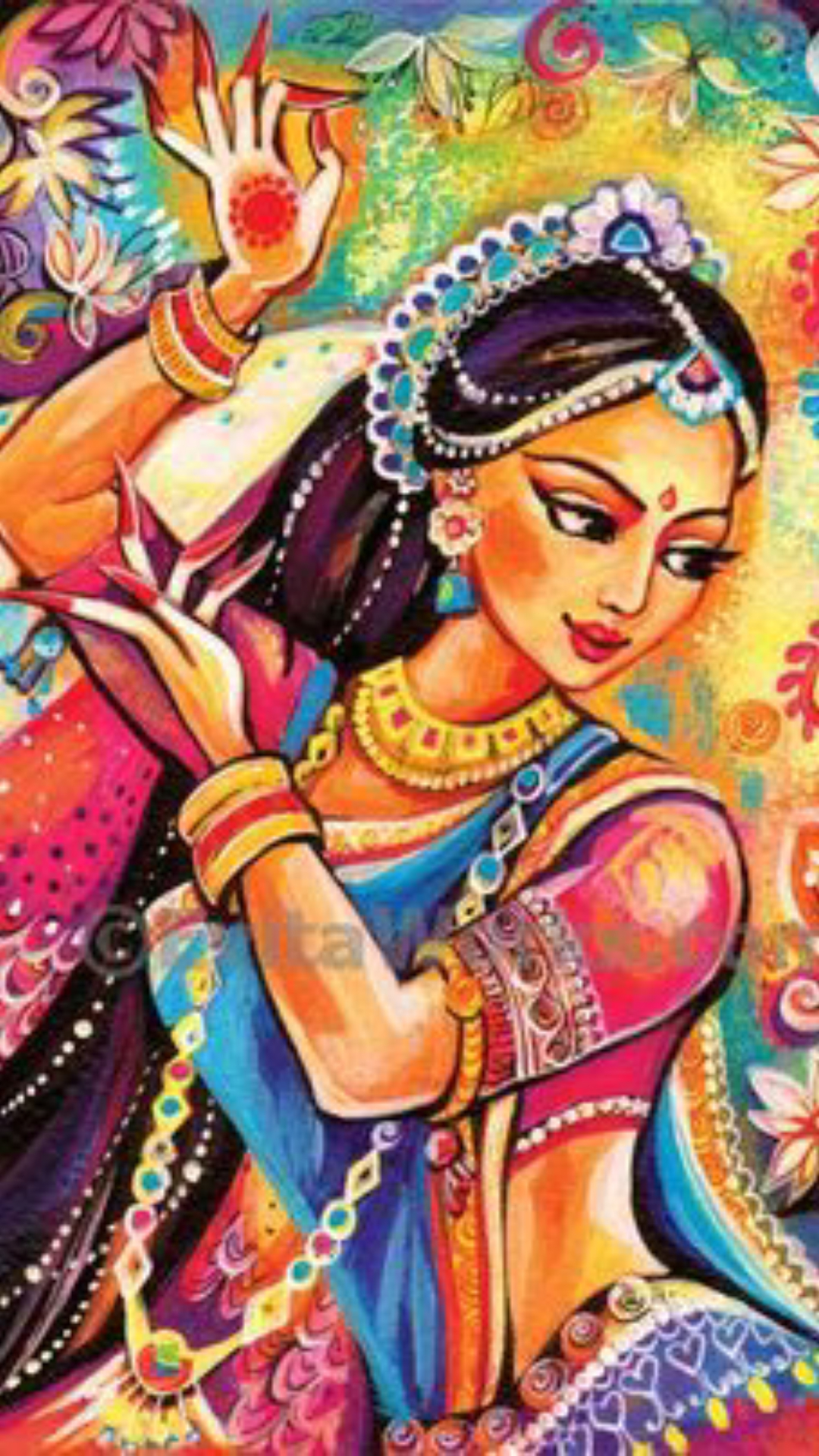
Welcome to the vibrant world of Mithila art painting, a captivating tapestry woven from threads of tradition, cultural richness, and intricate beauty. This unique art form, hailing from the Mithila region of Bihar, India, has traversed centuries, whispered down through generations, and transformed humble walls into canvases for storytelling and artistic expression. Today, it stands as a testament to the enduring power of artistic legacy, its brushstrokes speaking volumes about the heritage and identity of its creators.
Echoes of the Past: History and Origins
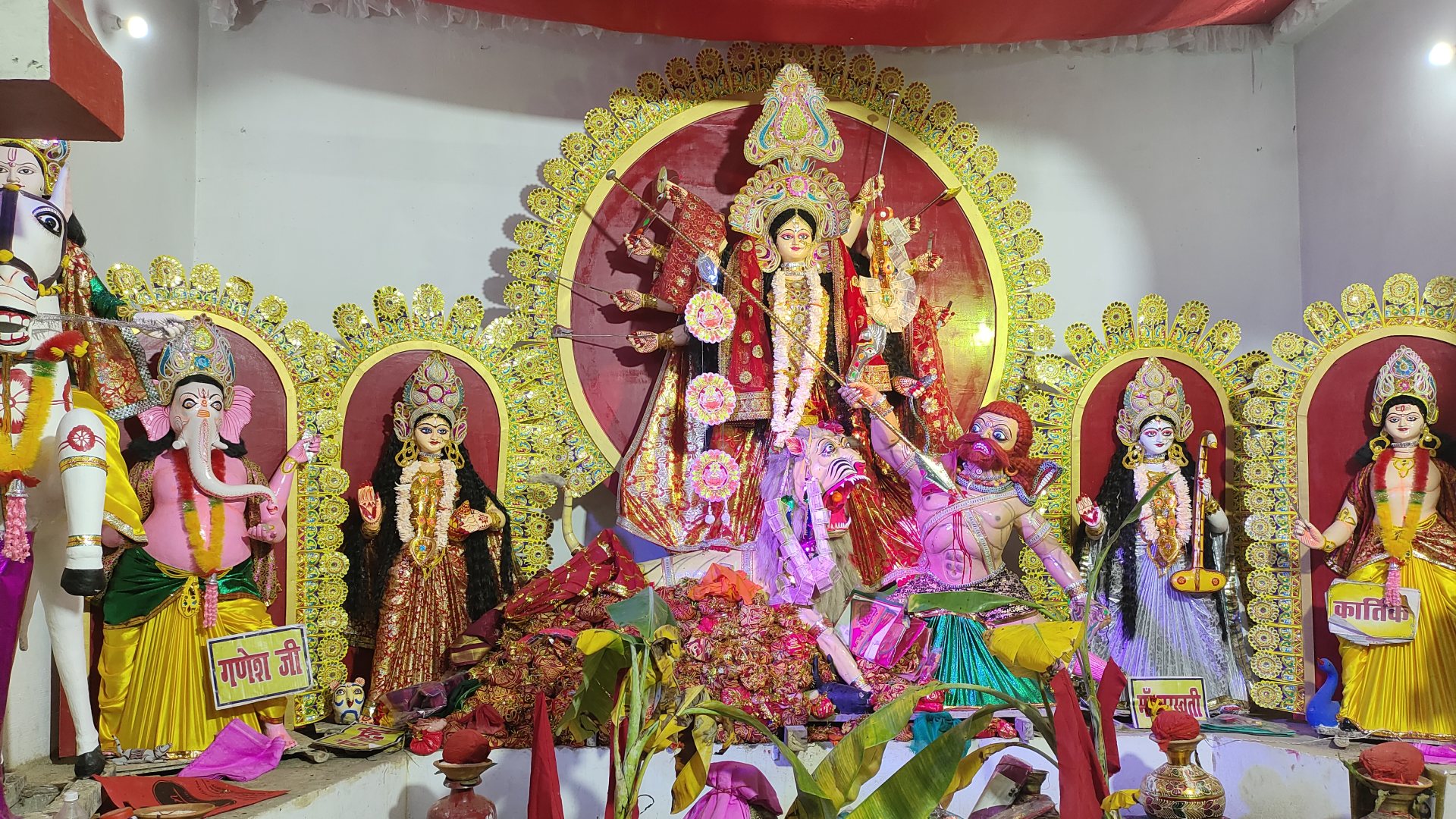
While the exact origins remain shrouded in the mists of time, mythology paints a colorful picture. Legends speak of women, keepers of ancient traditions, adorning their mud walls with tales of gods and goddesses, nature’s bounty, and daily life. These murals, imbued with ritualistic significance, became the seeds from which Mithila art sprouted. Over time, the art form transcended its ritualistic beginnings, evolving into a vibrant artistic pursuit, embraced by women as a canvas for their imagination and cultural expression.
The Art of Technique: Tools and Materials
Mithila art painting is a delicate dance between natural elements and artistic ingenuity. Traditionally, artists use rice paste, natural dyes extracted from fruits and vegetables, and even twigs and matchsticks as brushes. The canvas, often handmade paper or khadi fabric, provides a platform for meticulous brushwork and intricate detailing. Geometric patterns, inspired by nature and everyday life, form the foundation of the paintings. Thin black lines frame these patterns, creating a captivating border that enhances the composition.
Stories Untold: Themes and Motifs
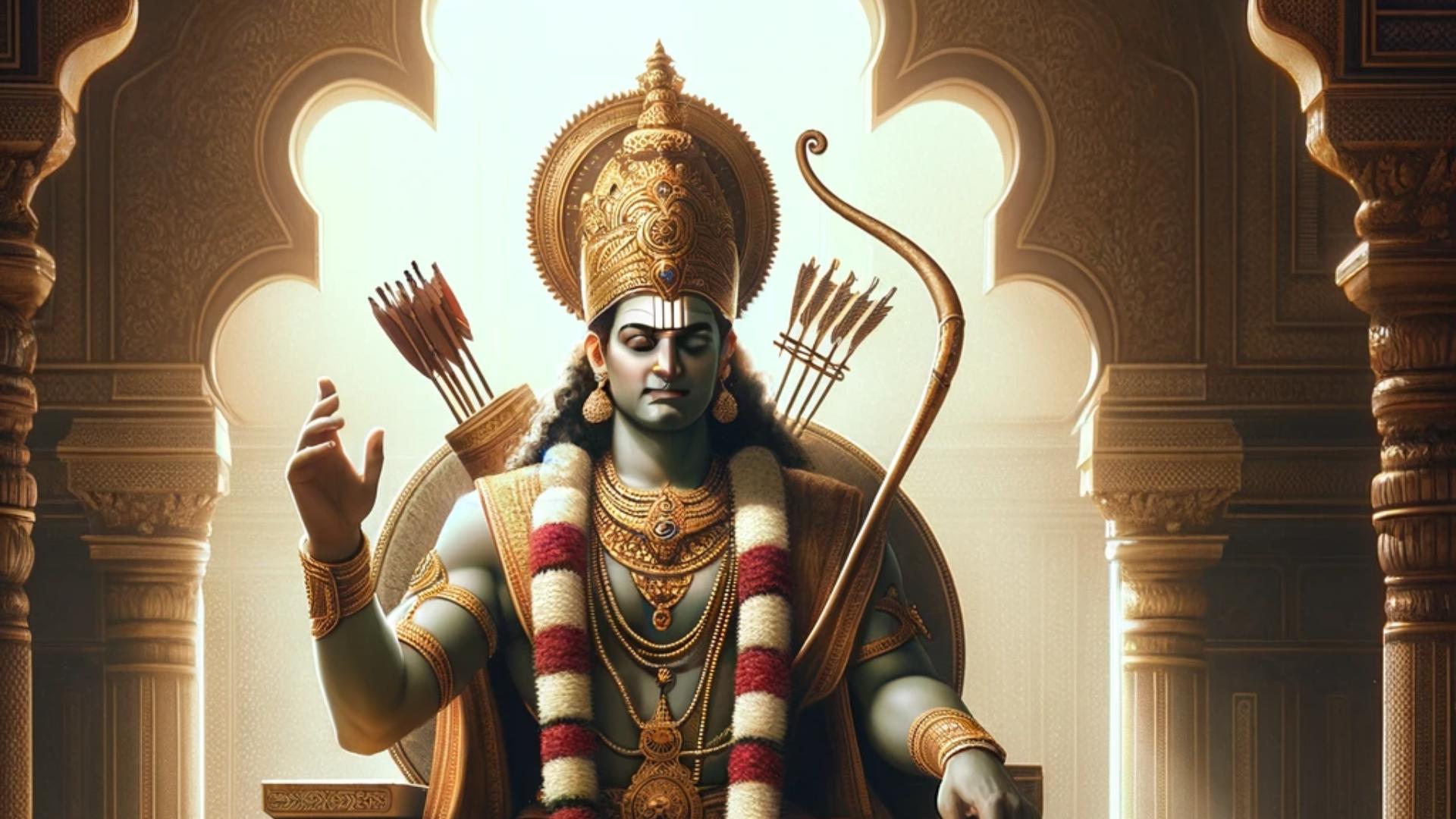
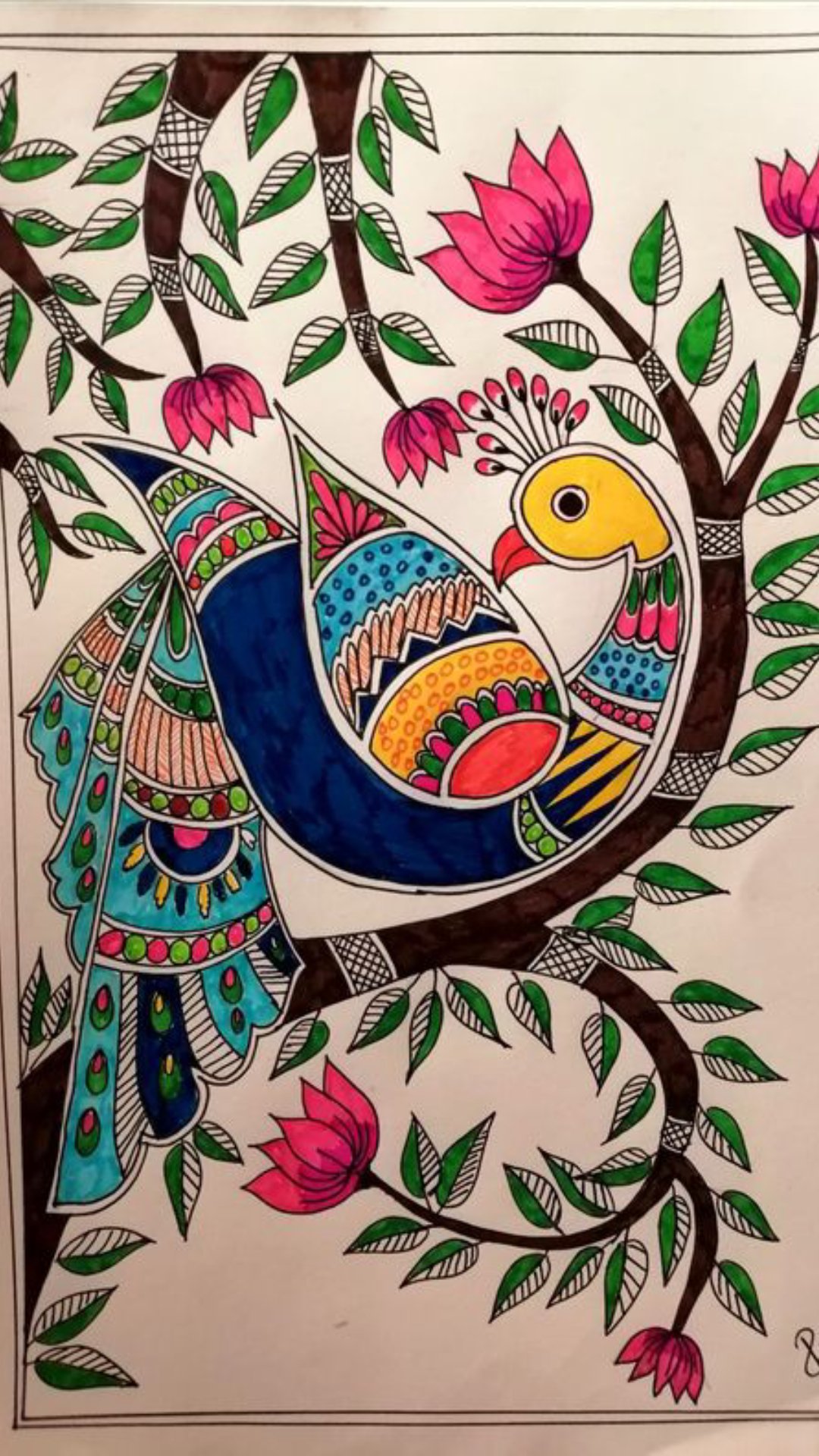
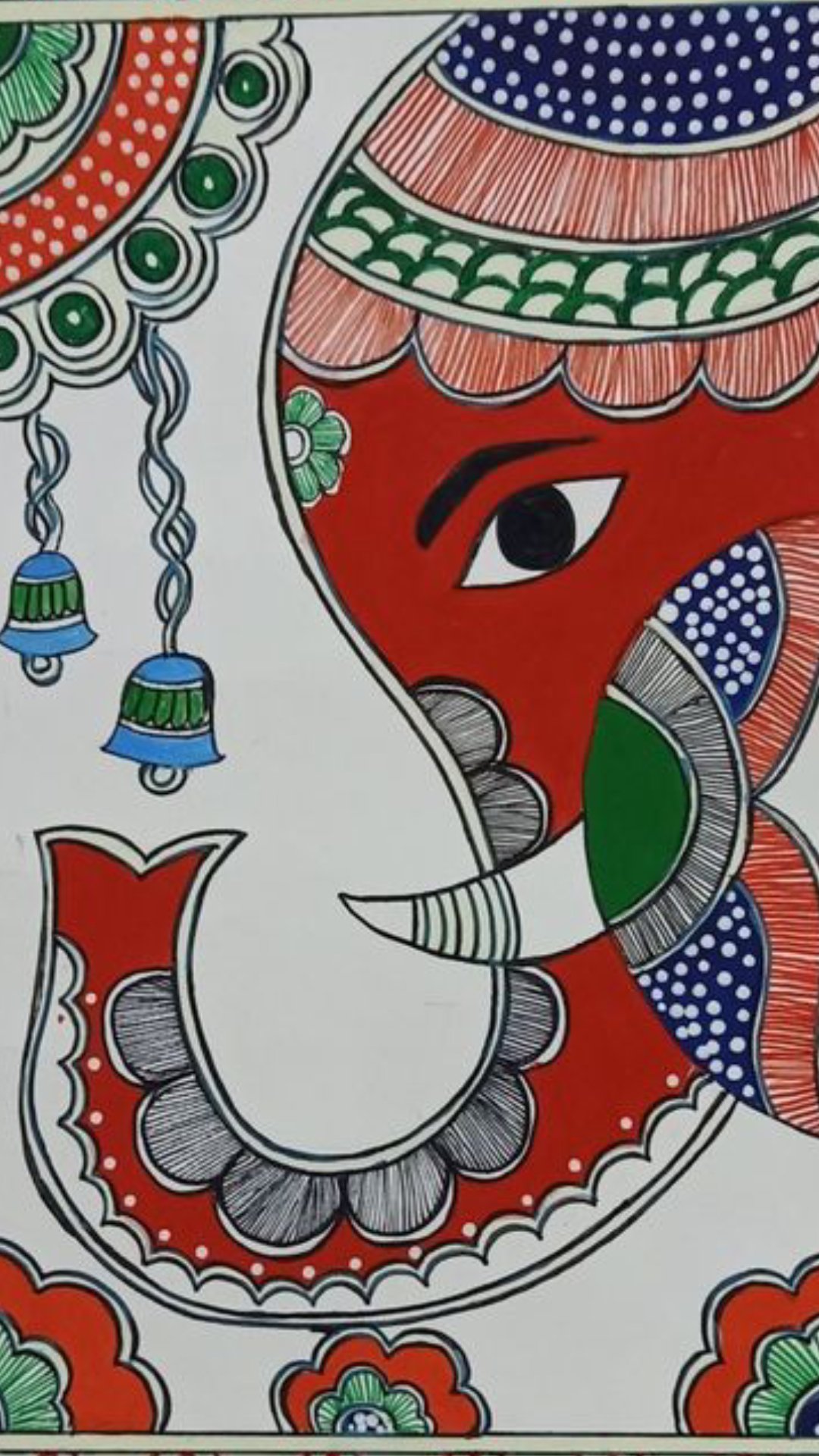
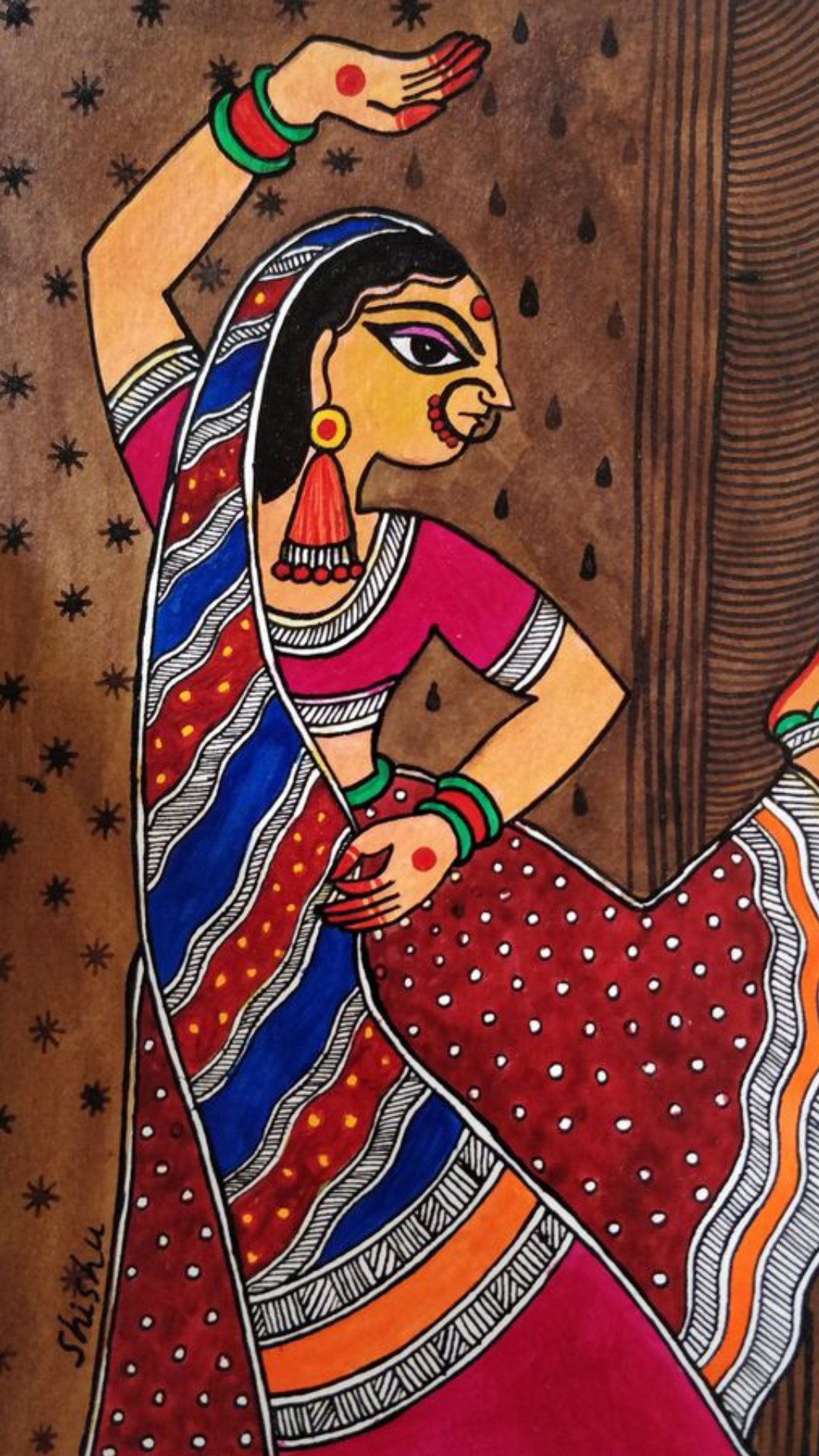
The themes explored in Mithila art painting are as diverse as the Mithila region itself. The Ramayana and Mahabharata, Hindu epics woven into the fabric of Indian culture, find frequent representation. Scenes from daily life, depicting weddings, festivals, and agricultural activities, bring a touch of authenticity. Nature, revered and intertwined with the cultural landscape, takes center stage, with elephants, lotuses, and fish adorning many paintings. These motifs, infused with symbolic meaning, tell stories without a single spoken word, inviting viewers to decipher their secrets and delve deeper into the heart of Mithila culture.
Beyond the Canvas: Cultural Significance
Mithila art painting is not merely an artistic pursuit; it is a cultural lifeline. It is a window into the soul of the Mithila region, reflecting its beliefs, customs, and traditions. The intricate patterns and vibrant colors hold stories of generations past, passed down through mothers and daughters, artists and apprentices. The act of painting itself becomes a ritual, a celebration of community and heritage. It preserves oral traditions, transmits knowledge, and serves as a visual storytelling medium, ensuring that the cultural tapestry of Mithila remains vibrant for generations to come.
Masters of Style: Famous Artists and Schools
The world of Mithila art painting boasts a plethora of talented artists, each adding their unique touch to this multifaceted art form. The names of Baua Devi, Sita Devi, Mahasundari Devi, and Godawari Dwivedi ring out in recognition of their contribution to preserving and innovating within the traditional style. Each region within Mithila also possesses its own distinct style, known as “kalas.” The Bharni kala, characterized by bold lines and stylized figures, and the Kakor kala, known for its delicate floral motifs, are just two examples of the stylistic diversity that enriches Mithila art.
Evolving Expressions: The Modern Era
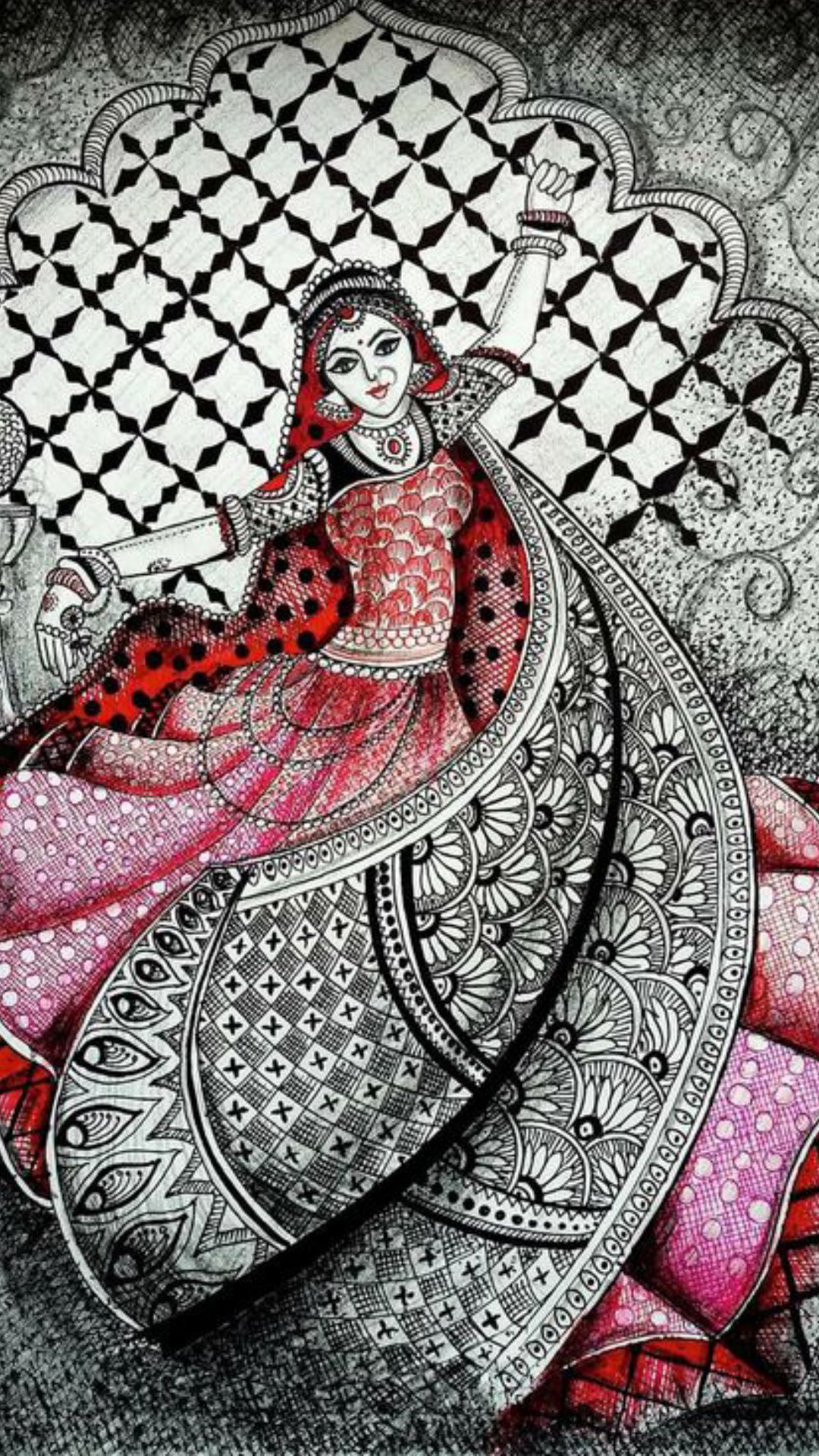
In recent years, Mithila art painting has witnessed a fascinating evolution. Artists are venturing beyond the traditional themes, incorporating contemporary social and environmental issues into their work. The use of new materials, like acrylic paints, has widened the artistic palette, while experimentation with form and composition has pushed the boundaries of the art form. This adaptability, a testament to the inherent dynamism of Mithila art, ensures its relevance and vibrancy in the ever-changing world.
A Canvas for Change: Mithila Art in Contemporary Society
The impact of Mithila art painting extends far beyond the realm of galleries and museums. It is finding its way into fashion, home decor, and even social activism. Wall murals in urban spaces bring a touch of rural tradition to the modern world, while Mithila-inspired motifs adorn clothes, bags, and other everyday objects. Artists are collaborating with NGOs and community organizations to use their art to address social issues like women’s empowerment and environmental conservation. These initiatives showcase the transformative power of Mithila art, demonstrating its ability to bridge the gap between tradition and modernity, art and social impact.
A Global Recognition: Applause from Afar
The captivating beauty and rich cultural heritage of Mithila art painting have not gone unnoticed. It has garnered international acclaim, finding its way into prominent museums and art collections around the world. Exhibitions and workshops are held across continents, introducing new audiences to this mesmerizing art form. Renowned fashion designers like Manish Malhotra and Tarun Tahilliani have incorporated Mithila motifs into their creations, bringing the art form to the world of haute couture. This global recognition not only validates the artistic merit of Mithila painting but also opens doors for its economic empowerment and wider appreciation.
Preserving and Promoting: Safeguarding a Legacy
Despite its growing popularity, Mithila art painting faces its share of challenges. Rising costs of natural materials, competition from mass-produced goods, and dwindling patronage from younger generations threaten the sustainability of this art form. Fortunately, concerted efforts are underway to preserve and promote Mithila art painting. Government initiatives provide financial support to artists and communities, while training programs and workshops nurture aspiring artists. NGOs and art organizations actively promote Mithila art through exhibitions, educational programs, and online platforms. These endeavors are crucial in ensuring that the legacy of Mithila art painting continues to thrive for generations to come.
Embracing the Future: A Canvas of Possibilities
As we look towards the future, the possibilities for Mithila art painting are as limitless as the imagination of its artists. The fusion of traditional themes with contemporary concerns holds immense potential. Imagine murals adorning urban spaces, depicting environmental awareness or social justice issues, sparking conversations and igniting change. Envision intricate Mithila patterns adorning modern furniture or digital platforms, bridging the gap between tradition and technology. The possibilities are endless, and it is in the hands of artists, patrons, and enthusiasts to ensure that Mithila art painting continues to evolve, adapt, and captivate audiences across the globe.
So, let us celebrate the rich tradition and intricate beauty of Mithila art painting. Let us support its preservation and promotion, ensuring that this vibrant tapestry of culture and creativity continues to inspire and enthrall for generations to come.
By understanding and appreciating Mithila art painting, we not only appreciate a stunning art form but also gain a deeper understanding of the vibrant culture and rich heritage of the Mithila region. Let us embark on this journey of discovery, one brushstroke at a time, and together, unveil the magic of Mithila art painting.