

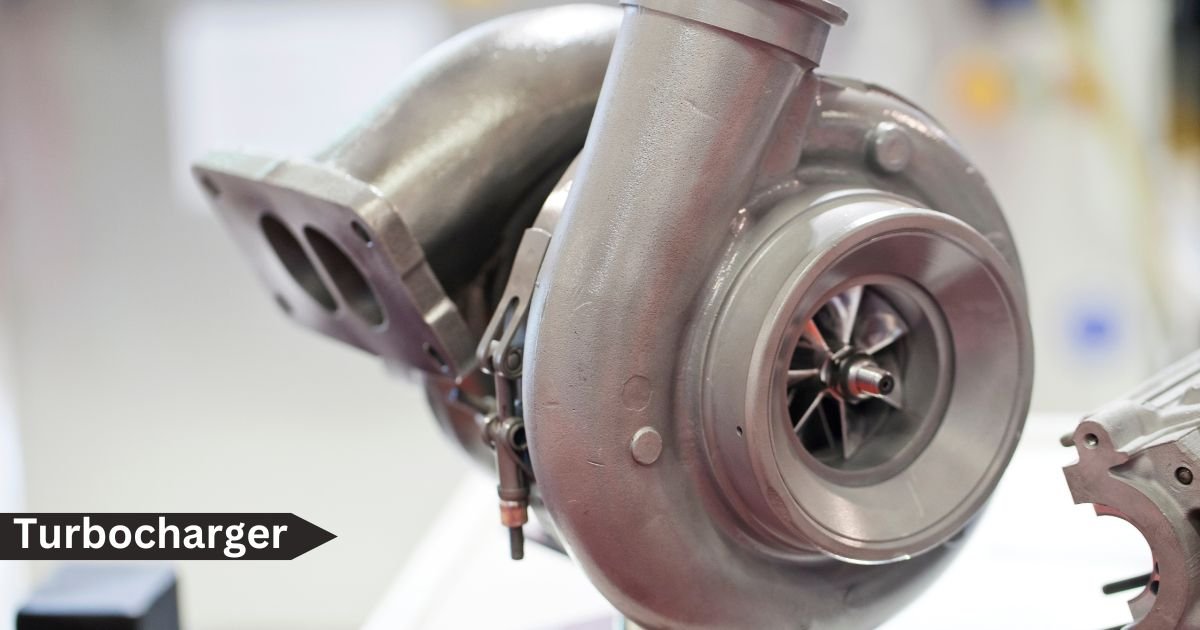
Are you interested to learning how the turbocharger works in your car? There’s nowhere else to look! This post will explain how turbochargers work and know advantages of using a turbocharger in your car.
Turbochargers are becoming more common in modern vehicles, thanks to their ability to boost power without sacrificing fuel efficiency. By compressing the air entering the engine, turbochargers force more oxygen into the combustion chamber, enabling the engine to burn more fuel and produce more power. But how exactly do they achieve this?
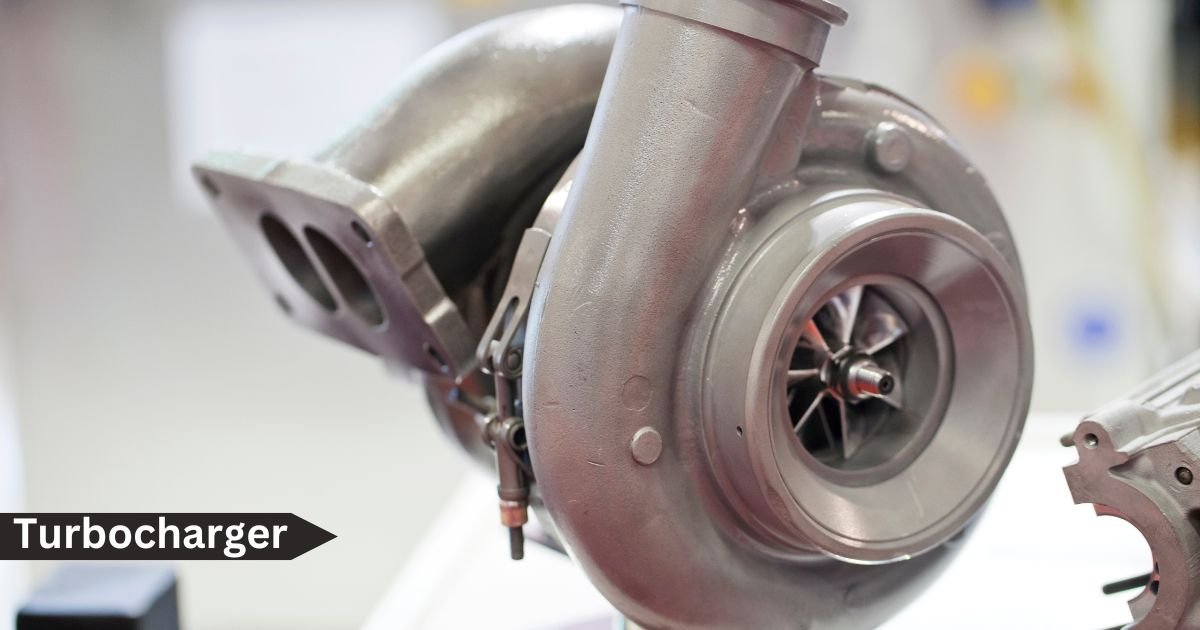
The basics of turbocharging, explaining concepts such as the turbine, compressor, wastegate, and intercooler. We’ll also discuss the advantages and potential disadvantages of using a turbocharger. By the end of this article, you’ll have a clear understanding of how turbochargers work and how they increase your car’s performance.
So, get ready to read the power of your car’s turbocharger and discover the amazing world behind its impressive capabilities.
How does a turbocharger work?
A turbocharger is an air pump for a car engine that fill more air into the cylinders. This lets the engine burn more fuel, which converts to more power! Here’s how it works:
- Two chambers, one shaft: The turbocharger has two main parts: a turbine and a compressor, both connected by a shaft.
- Hot exhaust in, fast spin out: The turbine sits in the exhaust stream. Hot exhaust gases leaving the engine spin the turbine wheel very fast.
- Fast spin, compressed air: The compressor wheel is on the other side of the shaft and spins because of the turbine. As it spins, it sucks in air and squeezes it, making it denser.
- More air, more power: This compressed air gets forced into the engine’s cylinders, allowing more fuel to be burned and creating more power.
There’s also a potential disadvantage to this hot air – it can make the engine less efficient. To address this, some turbochargers use an intercooler, which is a radiator-like device that cools down the compressed air before it enters the engine.
Overall, turbochargers are a clever way to get more power out of an engine without making it physically bigger.
Advantages of using a turbocharger in your car
There are several advantages to using a turbocharger in your car:
- More Power: This is the most obvious benefit. Turbochargers get more air into the engine, allowing for more fuel to be burned and resulting in a significant boost in horsepower and acceleration.
- Improved Efficiency: This might seem contradictory, but a smaller turbocharged engine can achieve the same power output as a larger non-turbo engine. This translates to potentially better fuel economy, as the smaller engine needs less fuel to operate when not under heavy load.
- Stronger Torque: Turbochargers provide more torque, which is the twisting force that gives your car pulling power. This is especially beneficial for hauling or towing heavy loads, or when you need quick bursts of acceleration.
- Potential Weight Savings: Because a turbocharger allows a manufacturer to use a smaller engine for the same power output, the overall weight of the car can be reduced. Lighter weight can lead to better handling and performance.
- Reduced Emissions: In some cases, turbochargers can contribute to cleaner emissions. By burning fuel more efficiently, they can potentially reduce the amount of harmful pollutants released into the air.
It’s important to note that turbochargers also have some disadvantages, such as increased complexity and maintenance costs. They may also experience a bit of a lag before the turbo kicks in and delivers its full power boost. However, for many drivers, the performance advantages of turbochargers outweigh these considerations.
Turbocharging vs. supercharging
Here’s a table summarizing the key differences between turbochargers and superchargers:
| Feature | Turbocharger | Supercharger |
|---|---|---|
| Power Source | Uses engine’s exhaust gases | Connected to engine crankshaft by a belt or gear |
| Mechanism | Exhaust gases spin a turbine, which drives a compressor | Engine drives the supercharger, which compresses air |
| Boost Delivery | Potential turbo lag before full boost | Instant power boost |
| Efficiency | Can be more fuel-efficient, uses wasted exhaust energy | Slightly higher fuel consumption due to parasitic draw |
| Complexity | Generally more complex due to hot exhaust components | Simpler system compared to turbochargers |
| Maintenance | Requires maintenance | Generally simpler maintenance |
| Cost | Slightly lower upfront cost | Higher upfront cost |
| Emissions | Can help reduce emissions with efficient fuel burning | Might have slightly higher emissions |
| Ideal For | Better fuel efficiency, lower long-term running costs | Instant power, quicker acceleration |
| Choice Factors | Car type, driving style, budget | Car type, driving style, budget |
Common misconceptions about turbochargers
Here is a table summarizing common myths and facts about turbochargers:
| Myth | Fact |
|---|---|
| Turbochargers hurt fuel efficiency. | Modern turbocharged engines can be just as, or even more, fuel-efficient than non-turbo engines. |
| Turbochargers are only for high-performance cars. | Turbochargers are increasingly common in everyday vehicles due to their efficiency benefits. |
| Turbochargers are unreliable and require a lot of maintenance. | Modern turbochargers are reliable and require maintenance as per manufacturer’s recommendations. |
| You can’t turn off a turbocharger. | Turbochargers don’t create boost until exhaust gases reach a certain pressure, essentially being “off” at idle. |
| All turbocharged cars have turbo lag. | Modern turbochargers with advanced designs have significantly reduced lag, often making it barely noticeable. |
Factors to consider before installing a turbocharger
Before diving into the world of turbocharged thrills, there are several factors to consider to ensure a successful and enjoyable experience:
Engine health:
- Condition is key: Your engine needs to be in top shape to handle the increased stress of a turbocharger. Worn components or underlying issues can lead to problems when adding boost.
- Compatibility check: Make sure your specific engine is compatible with a turbocharger upgrade. Some engines simply aren’t designed for the additional pressure.
Upgrade path:
- Matching the turbo: Choosing the right size and type of turbo is crucial. A turbo too small won’t deliver the desired power gains, while one too large might cause lag and stress the engine.
- Beyond the turbo: A turbo alone isn’t enough. You’ll likely need additional components like upgraded fuel injectors, an intercooler, and a modified engine management system (ECU) to handle the increased airflow and fuel delivery.
Costs and commitment:
- Not a cheap endeavor: Installing a turbocharger is not a budget-friendly modification. The cost of the turbo itself is just the beginning, with additional parts, installation labor, and potential tuning fees adding up.
- Long-term considerations: Be prepared for potentially higher maintenance costs. Turbochargers are additional components that will eventually wear and require servicing.
- Professional help: Unless you’re a very experienced mechanic, professional installation and tuning are highly recommended to ensure everything is done correctly and safely.
Performance goals and driving style:
- Matching expectations: Consider what kind of power gains you realistically expect. Don’t be surprised if peak numbers don’t translate to everyday driving situations.
- Impact on fuel economy: While some argue for potential efficiency gains with a smaller turbocharged engine, aggressive driving with a turbo setup can negatively impact fuel consumption.
Legal and warranty implications:
- Check local laws: Modifying your car with a turbocharger might not be legal in all regions. Always check local regulations before proceeding.
- Warranty worries: Installing a turbocharger will likely void your manufacturer’s warranty on the engine and potentially other drivetrain components.
By carefully considering these factors, you can make an informed decision about whether adding a turbocharger is the right choice for your car and your driving needs.
Turbocharger maintenance and care
Here are some key practices for turbocharger maintenance and care:
- Oil Changes: Turbocharged engines often require more frequent oil changes than non-turbo engines. Clean oil is vital for lubricating the high-speed bearings within the turbo. Consult your owner’s manual for the recommended oil change intervals for your specific car.
- Oil Quality: Use the exact oil type and viscosity recommended by your car’s manufacturer. The proper oil provides the necessary lubrication and heat resistance for the turbocharger.
- Warm-up and Cool-down: Avoid putting excessive stress on the turbocharger. Let the engine idle for a minute or two before driving off to allow the oil to circulate and properly lubricate the turbo. Similarly, avoid shutting down the engine immediately after hard driving. Letting it idle for a bit allows the turbo to cool down and prevents heat soak which can cook oil and damage components.
- Air Filter Maintenance: A clean air filter ensures a clean air supply for the turbocharger. A clogged filter can restrict airflow and lead to inefficiencies or potential damage. Replace the air filter according to the manufacturer’s recommendations.
- Listen for Warning Signs: Unusual noises like whining or scraping coming from the turbocharger can indicate potential problems. Reduced power or excessive smoke can also be signs of trouble. If you notice any warnings, consult a mechanic specializing in turbocharged vehicles.
- Professional Inspections: Consider having a mechanic experienced with turbochargers inspect your system periodically, especially if you drive your car hard. Early detection of potential issues can prevent costly repairs down the line.
By following these practices, you can help ensure your turbocharger operates efficiently and delivers that extra boost for many miles to come!
Upgrading your turbocharger for increased performance
Upgrading your turbocharger can be a tempting proposition for drivers seeking more power and excitement. Here’s a breakdown of the key aspects to consider:
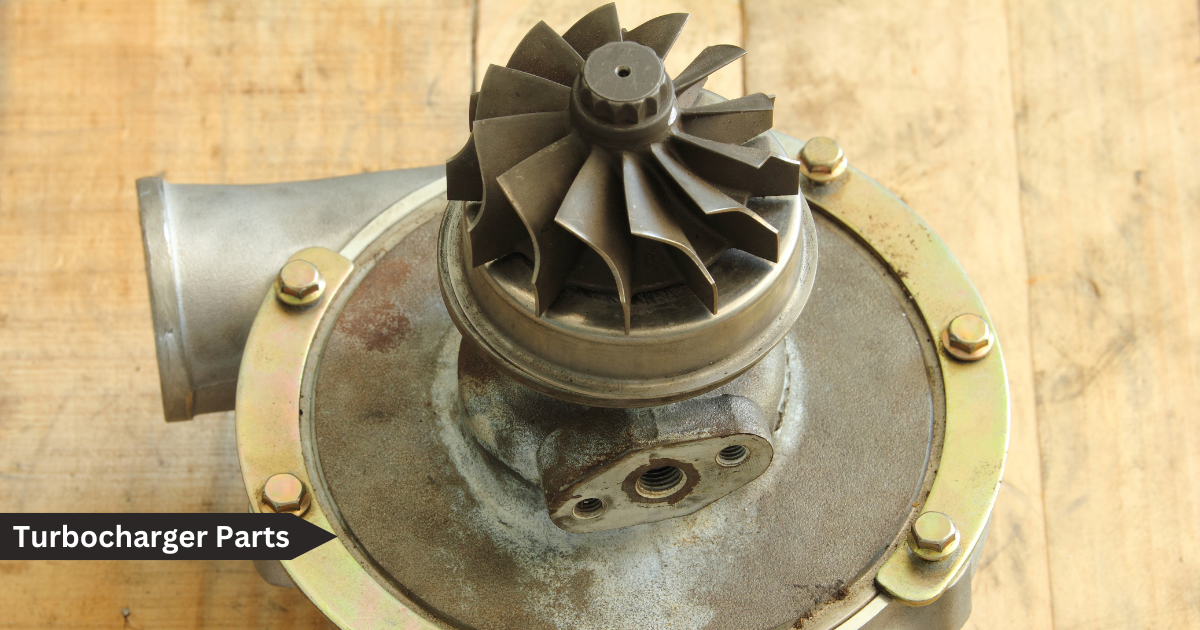
Performance Gains:
- More power, more fun: A properly chosen and installed turbo upgrade can deliver a significant increase in horsepower and torque, translating to faster acceleration and a more exhilarating driving experience.
Beyond the Turbo:
- It’s a system, not a part: Upgrading just the turbocharger isn’t enough. To handle the increased airflow and fuel demands, you’ll likely need a package that includes:
- Upgraded fuel injectors: Deliver the extra fuel needed for the additional boost.
- Intercooler: Cools down the compressed air from the turbo for better power output and efficiency.
- Engine Management System (ECU) tuning: Adjusts engine parameters to work seamlessly with the new turbo setup.
Professional Installation Crucial:
- Expertise matters: Improper installation or tuning of a turbocharger upgrade can lead to serious engine damage. Unless you’re a highly skilled mechanic, professional installation and tuning are strongly recommended.
Costs to Consider:
- Not for the faint of wallet: Turbo upgrades are not budget-friendly modifications. The cost of the turbo itself, supporting parts, labor, and tuning can add up quickly.
Maintenance and Potential Issues:
- Increased maintenance needs: Turbochargers are complex components and require more attention compared to a non-turbo system. Regular oil changes with high-quality oil are crucial.
- Potential for increased wear and tear: The extra stress from a turbo upgrade can put more strain on the engine and drivetrain components, leading to potential issues down the line.
Warranty and Legality:
- Warranty woes: Adding a turbocharger will likely void your manufacturer’s warranty on the engine and potentially other drivetrain components.
- Check local laws: Modifying your car with a turbocharger might not be legal in all regions. Always check local regulations before proceeding.
Alternatives to Consider:
- Performance air intake: A less expensive option that can provide some power gains without the complexity of a full turbo upgrade.
- Performance exhaust system: Improves exhaust flow and can complement a turbo upgrade or offer mild power gains on its own.
The Decision is Yours:
Upgrading your turbocharger can be a rewarding path to more power, but it’s important to weigh the costs, potential risks, and impact on your car’s reliability and warranty. Carefully consider your budget, mechanical aptitude, and long-term goals for your car before taking the plunge.
Turbocharger troubleshooting and common issues
A healthy turbocharger provides a significant performance boost to your car. However, just like any other car part, it can wear down or malfunction. Here’s a look at some common turbocharger problems and how to troubleshoot them:
Reduced Power or Lack of Boost:
- This can be a sign of several issues. Check for:
- Boost leaks: Air leaks in the intake or intercooler piping can prevent the system from building proper boost pressure. Listen for hissing noises around the intercooler and pipes.
- Clogged air filter: A restricted air supply can limit power output. Inspect and replace the air filter if dirty.
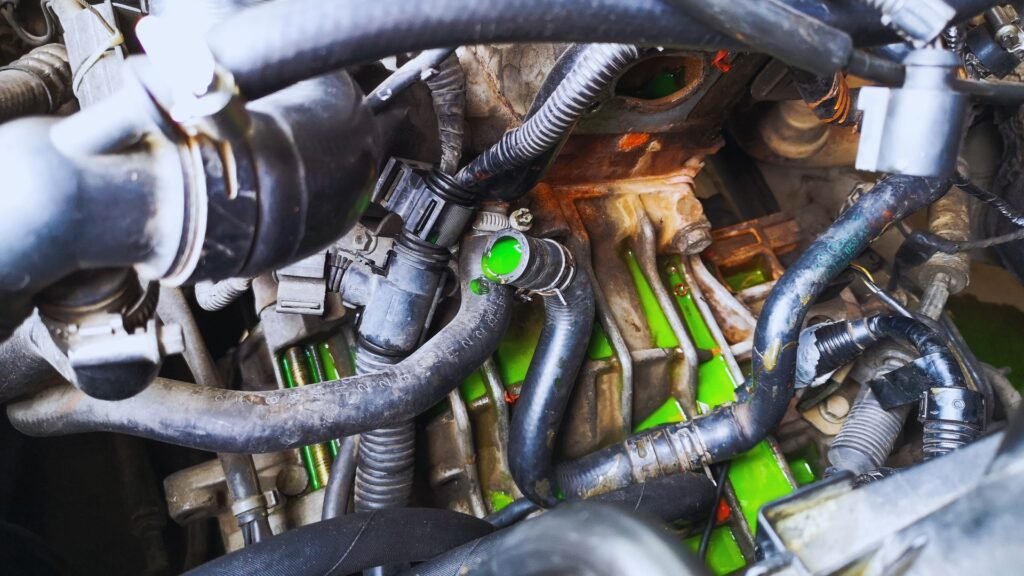
- Faulty wastegate actuator: The wastegate regulates boost pressure. A malfunctioning actuator might not allow the wastegate to open properly, limiting boost.
Excessive Smoke:
- Blue smoke indicates oil burning. This could be due to:
- Worn turbocharger seals: Oil leaking past worn seals in the turbo can be burned in the engine, leading to blue smoke.
- Improper ventilation: Clogged PCV valve or crankcase ventilation system can cause excessive crankcase pressure, forcing oil past the seals.
Unusual Noises:
- Whining or grinding noises coming from the turbo area can signal:
- Faulty bearings: Worn bearings within the turbo can create a high-pitched whining sound.
- Foreign object damage: Debris entering the turbo can damage the compressor wheel or turbine blades, causing grinding noises.
Other Potential Issues:
- Oil leaks: Leaking oil around the turbocharger housing can indicate damaged seals or oil feed/return line issues.
- Check engine light: Modern cars with turbochargers might throw a check engine light if the computer detects a problem with the turbo system.
Troubleshooting Tips:
- These are general pointers, and specific troubleshooting steps might vary depending on your car’s make and model.
- Consulting a repair manual or a mechanic specializing in turbocharged vehicles is recommended for diagnosing the exact cause of the problem.
Remember: Ignoring turbocharger problems can lead to more serious damage and expensive repairs. If you suspect any issues, it’s best to have a qualified mechanic check it out as soon as possible.
Benefits of Autopilot Mode: Efficient and Stress-Free Travel
Conclusion: Turbochargers full potential
Turbochargers are ingenious devices that pack a real punch when it comes to car performance. They offer a path to:
- More Power and Excitement: The core benefit – a significant boost in horsepower and torque for thrilling acceleration and a more exhilarating driving experience.
- Potential Efficiency Gains: Modern turbocharged engines, when driven conservatively, can be just as or even more fuel-efficient than their larger non-turbo counterparts. A smaller turbo engine can achieve the same power output as a larger engine, and smaller engines tend to be more efficient.
However, the world of turbochargers comes with some important considerations:
- Increased Complexity and Maintenance: Turbochargers are more complex systems compared to non-turbo engines and require more attention in terms of oil changes, air filter maintenance, and potential for increased wear on engine components.
- Upfront Costs and Potential Warranty Issues: Adding a turbocharger, especially for performance upgrades, can be expensive. It can also void your manufacturer’s warranty.
- Matching Your Needs and Goals: Carefully consider your budget, mechanical aptitude, and long-term goals for your car before diving into the world of turbocharging.
Overall, turbochargers can be a fantastic way to unlock more power and performance from your car. By understanding the benefits, drawbacks, and making informed decisions, you can determine if a turbocharger is the right choice to take your driving experience to the next level.











So well explained. Nice writeup!