

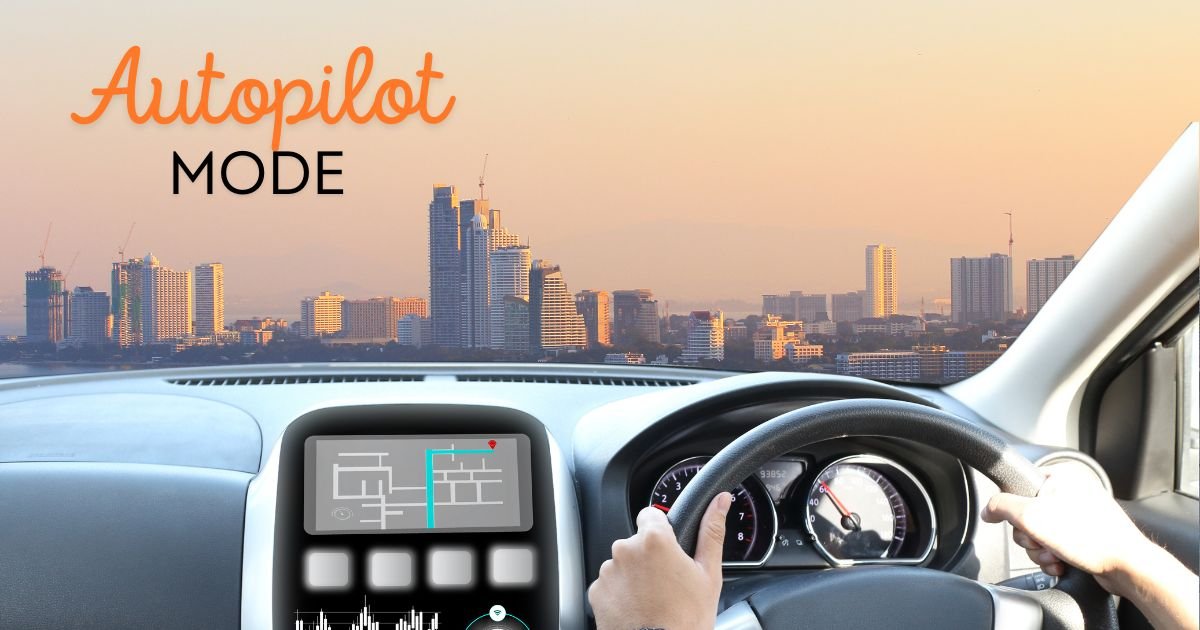
Are you tired of the stress and monotony of long-distance travel? Imagine a world where you can sit back, relax, and let technology take the wheel. The advent of autopilot mode has transformed the way we travel, introducing a new era of efficiency and relaxation. Whether you’re on a cross-country road trip or a long-haul flight, autopilot mode allows you to hand over control to onboard systems, providing a safer and smoother journey.
In this article, we explore the benefits of autopilot mode and how it is revolutionizing the travel industry. From reducing driver fatigue and improving fuel efficiency to minimizing human error and enhancing passenger comfort, autopilot mode offers a host of advantages for both drivers and pilots. We’ll delve into the technology behind autopilot systems and examine its impact on safety and convenience.
We unlock the potential of autopilot mode and discover how it is changing the way we travel. Say goodbye to the stress and hello to a more efficient and stress-free journey. Let’s embark on this exciting ride together.
Benefits of using autopilot mode for travel
Autopilot mode in cars, also known as driver-assistance systems (DAS), can offer several benefits while traveling, but it’s important to remember they don’t make the car fully autonomous:
- Reduced driver fatigue: Autopilot features like adaptive cruise control can help manage highway driving by maintaining speed and distance from other vehicles. This can be especially helpful on long trips by reducing the constant strain of maintaining vigilance.
- Potentially increased safety: Some autopilot features can help prevent accidents by providing lane departure warnings and automatic emergency braking. However, it’s important to note that these systems are not perfect and driver attention is still essential.
- Improved traffic flow: Autopilot features can help maintain consistent speeds and spacing between vehicles, which can contribute to smoother traffic flow.
- Reduced stress: By handling some of the driving tasks, autopilot can make commuting or long drives less stressful.
However, it’s crucial to remember that autopilot systems are not without limitations:
- Not fully autonomous: The driver remains responsible for the car’s operation and must be alert and ready to take control at any moment.
- System malfunctions: Like any technology, autopilot systems can malfunction. Drivers must be aware of their surroundings and prepared to intervene if necessary.
- Limited environments: Autopilot systems may not perform well in all conditions, such as bad weather, unclear lane markings, or unexpected obstacles.
Overall, autopilot mode can offer some benefits for car travel, but it’s important to use it responsibly and with a clear understanding of its limitations.
Safety Features of Autopilot Mode
Autopilot mode, also known as a Driver-Assistance System (DAS), integrates various features to enhance safety while driving. Here’s a breakdown of some common ones:
- Automatic Emergency Braking (AEB): This system detects potential collisions with vehicles or obstacles ahead and automatically applies brakes to avoid impact or mitigate its severity.
- Forward Collision Warning (FCW): This feature provides an audio or visual alert when the car gets too close to the vehicle in front, prompting the driver to take action.
- Lane Departure Warning (LDW): LDW warns the driver if the car starts to veer out of its lane unintentionally, often by vibrating the steering wheel or sounding an alarm.
- Lane Keeping Assist (LKA): This system can take corrective measures, like gentle steering adjustments, to keep the car centered within its lane markings.
- Traffic Sign Recognition (TSR): The car can detect and interpret traffic signs like speed limits and stop signs, potentially feeding this information to other autopilot features to adjust speed accordingly.
- Adaptive Cruise Control (ACC): Maintains a set distance from the car ahead by automatically adjusting your cruising speed.
Important to Remember: These features are assistive and not a replacement for a responsible driver. You must stay alert, keep your hands on the wheel, and be prepared to take control at any moment.
Regulations for Autopilot Mode
Autopilot mode falls under the category of Automated Driving Systems (ADS) and regulations are still evolving. Here’s a general overview:
- SAE Levels of Automation: The Society of Automotive Engineers (SAE) defines 6 levels of driving automation, ranging from Level 0 (no automation) to Level 5 (full self-driving). Current autopilot systems fall under Level 2, which means they are driver-assistance systems, not self-driving cars.
- Driver Responsibility: Regulations emphasize that the driver remains legally responsible for the vehicle’s operation even when using autopilot features.
- NHTSA Guidelines: The National Highway Traffic Safety Administration (NHTSA) in the US issues guidelines for manufacturers developing ADS. These guidelines focus on safety aspects like system design, testing procedures, and driver-vehicle interaction.
- International Regulations: Regulations are still under development in many countries. The United Nations Economic Commission for Europe (UNECE) has established a framework for regulating Automated Vehicles which member states can adopt or adapt.
It’s important to note that specific regulations may vary depending on your location. Always refer to your local transportation authority or relevant government websites for the latest information.
Tips for using autopilot mode effectively
Here are some tips for using autopilot mode effectively and safely:
Before you start:
- Know your system: Familiarize yourself with the specific features and limitations of your car’s autopilot system by consulting the owner’s manual or manufacturer’s website. Not all autopilot systems are created equal, and some features may vary.
- Check your surroundings: Only engage autopilot on suitable roads with clear lane markings and good weather conditions. Avoid using it in heavy traffic, during construction zones, or on unclear roads.
- Stay alert: Autopilot is an assistance system, not a replacement for a driver. Keep your hands on the wheel at all times and be prepared to take control immediately if needed.
While using autopilot:
- Monitor the system: Pay attention to how the autopilot system is performing. Be ready to intervene if it hesitates, misreads road signs, or struggles to maintain proper lane positioning.
- Use your judgment: Don’t rely solely on autopilot. If you feel uncomfortable or unsafe at any time, disengage the system and take manual control.
- Keep a safe distance: Even with autopilot maintaining speed, maintain a safe following distance from the car ahead of you. This allows extra reaction time in case of unexpected situations.
- Be prepared for disengagement: Autopilot systems may require driver input to continue operating. Be ready to take the wheel when prompted or if the system malfunctions.
Remember, autopilot mode is there to enhance your driving experience, not to replace your role as a responsible driver. By following these tips, you can utilize autopilot safely and effectively.
Future advancements in autopilot technology
The future of autopilot technology is brimming with exciting possibilities. Here are some potential advancements we can look forward to:
- Enhanced Sensor Fusion: Current autopilot systems rely on a combination of cameras, radar, and LiDAR (Light Detection and Ranging) to perceive their surroundings. Advancements in sensor technology and data fusion techniques will allow for more comprehensive and accurate understanding of the environment, enabling safer and more nuanced decision-making by the car’s AI.
- Improved Artificial Intelligence: Machine learning algorithms are constantly evolving, and future autopilot systems will benefit from more sophisticated AI. This could lead to better object recognition, more precise lane positioning, and the ability to handle complex driving scenarios like navigating roundabouts or merging onto highways.
- Vehicle-to-Everything (V2X) Communication: V2X technology allows cars to communicate with each other and with roadside infrastructure. This real-time data exchange can provide crucial information about traffic jams, accidents, and road conditions, allowing autopilot systems to adapt and optimize routes for a smoother and safer driving experience.
- Integration with Smart Infrastructure: Smart cities of the future may have traffic lights, stop signs, and other infrastructure that communicate with connected vehicles. This could enable autopilot systems to anticipate traffic flow and optimize speed accordingly, further reducing congestion and improving overall traffic efficiency.
- Higher Levels of Automation: The current focus is on Level 2 driver-assistance systems. The future might see advancements towards Level 3 or even Level 4 autonomy, where autopilot systems can handle more complex driving situations under certain conditions. However, ethical considerations and clear regulations will need to be addressed before widespread adoption of such advanced systems.
It’s important to remember that these advancements will likely occur gradually. Safety will remain a top priority, and rigorous testing will be crucial before widespread adoption of more advanced autopilot features. However, the future of autopilot technology holds immense promise for making our roads safer, less congested, and potentially even more enjoyable.
Conclusion – Embracing the future of travel with autopilot mode
Autopilot mode, while still under development, offers a glimpse into the future of transportation. Here’s a compelling conclusion summarizing the key takeaways:
- Enhanced Driver Experience: Autopilot features can reduce fatigue, improve traffic flow, and potentially make driving less stressful, especially on long journeys.
- Safety Benefits: Features like automatic emergency braking and lane departure warnings can contribute to a safer driving experience by assisting drivers and offering a buffer against human error.
- Technological Advancements: The future promises exciting advancements in sensor technology, artificial intelligence, and V2X communication, paving the way for even more capable and nuanced autopilot systems.
- Responsible Use: It’s crucial to remember that current autopilot systems are driver-assistance tools. Staying alert, focused, and ready to take control remains paramount.
Overall, autopilot mode represents a significant step towards a future of smarter, safer, and potentially more relaxing travel. By embracing this technology responsibly and staying informed about its limitations and advancements, we can pave the way for a more enjoyable and efficient driving experience for everyone.









1 thought on “Benefits of Autopilot Mode: Efficient and Stress-Free Travel”