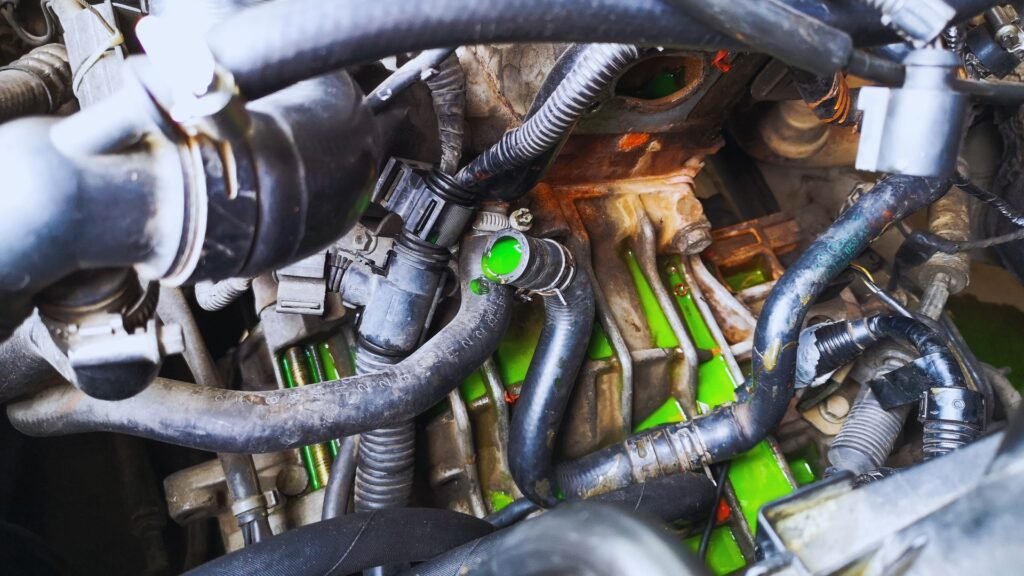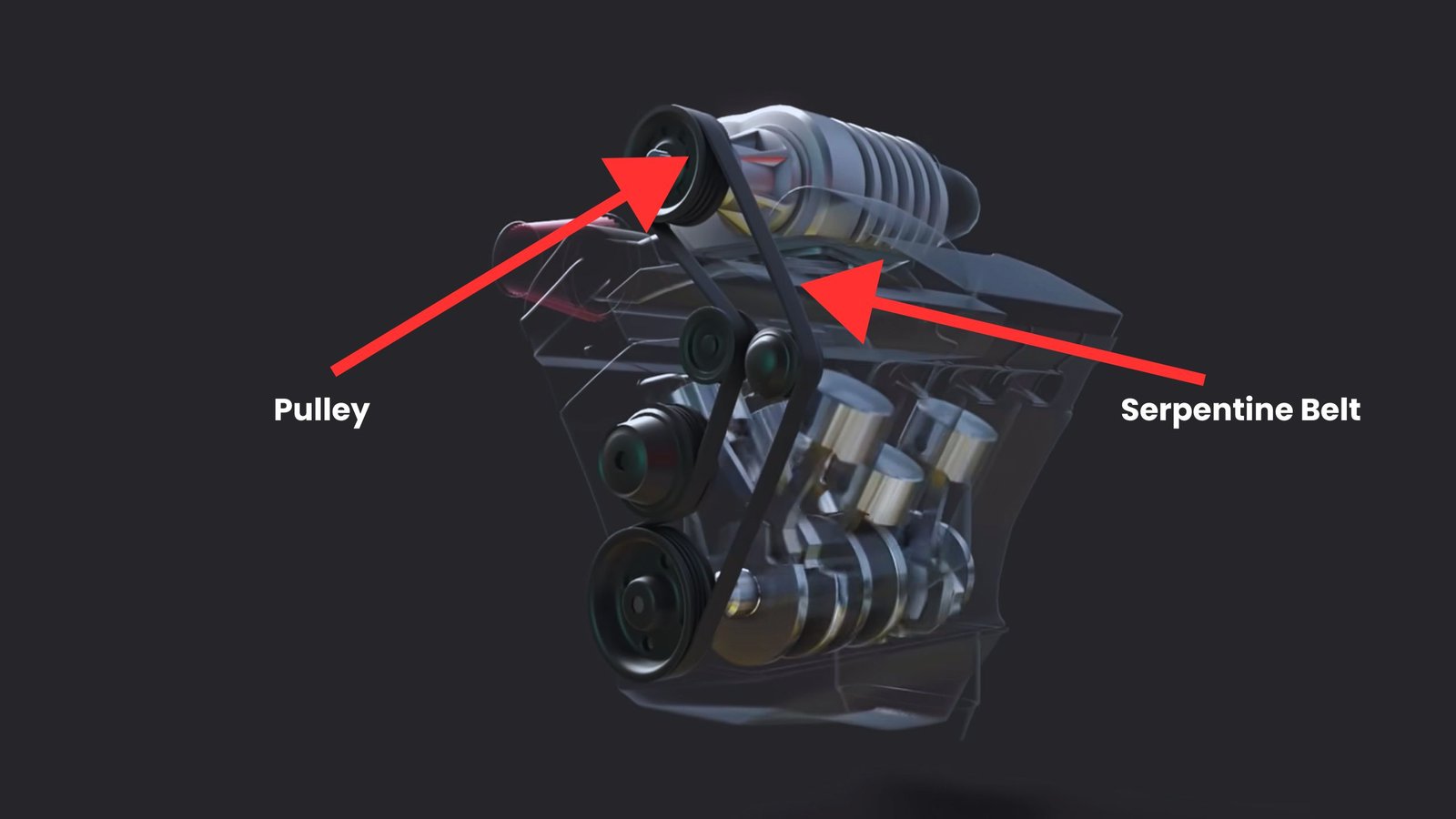

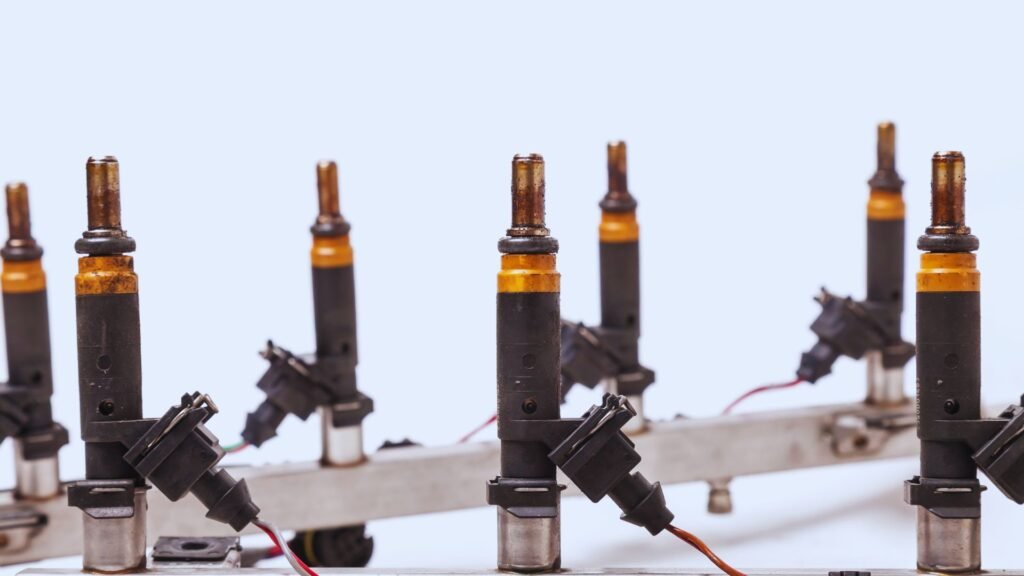
Fuel injectors, working to deliver the correct amount of fuel to the engine’s cylinders, play a vital role in ensuring the engine’s optimum performance. Bad injectors can cause a variety of problems, including poor idling, reduced power output, reduced fuel economy, and increased emissions. For automotive professionals, understanding how to test fuel injectors and resolve fuel injector problems is essential for effective vehicle maintenance and repair. This guide will provide a detailed overview of fuel injector testing procedures, addressing both basic and advanced techniques.
Types of Fuel Injectors
Before beginning the testing process, it is necessary to know the different types of fuel injection systems and injectors commonly found in vehicles. This knowledge is important for selecting the appropriate test methods and interpreting the results.
Throttle Body Injection (TBI) Injectors
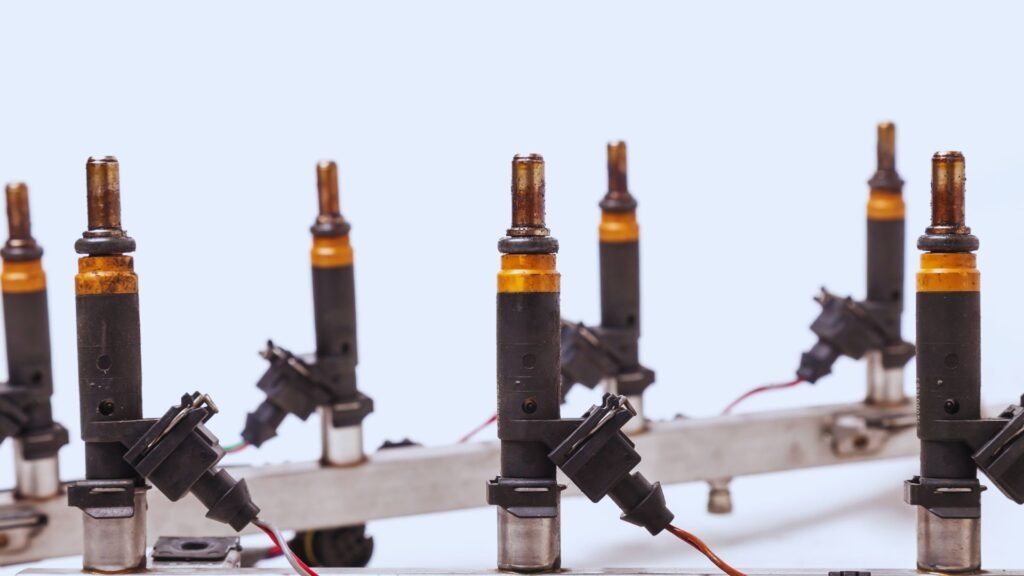
TBI systems, often found in older vehicles, use an injector mounted on the throttle body to deliver fuel to the engine. Testing a TBI injector usually involves visual inspection of the fuel spray pattern. If the spray pattern is irregular or absent, the injector may be dirty or worn out.
Electronic Fuel Injection (EFI) Injectors
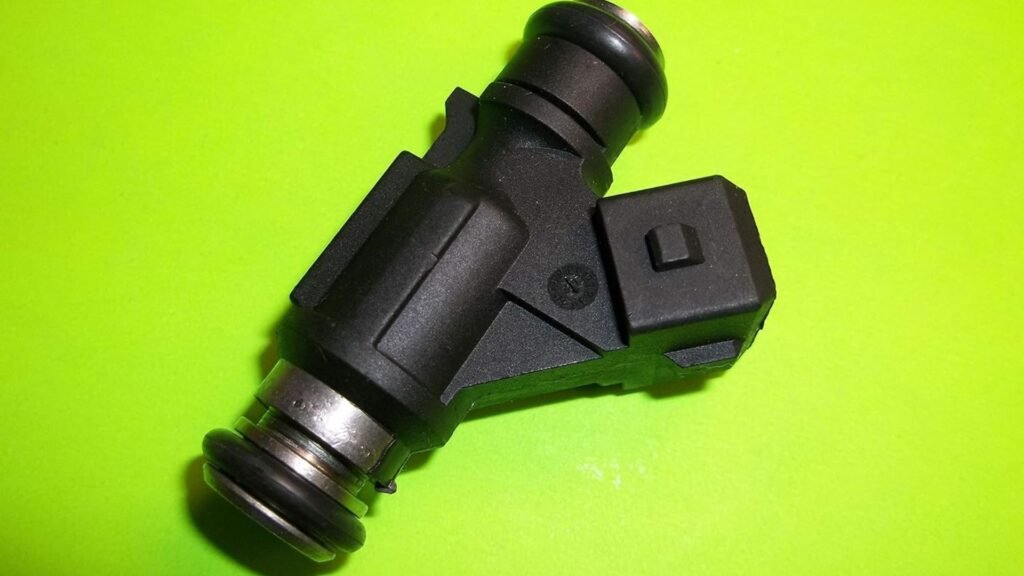
EFI systems are more prevalent in modern vehicles and have multiple injectors, typically one per cylinder. These injectors are electronically controlled by the engine control unit (ECU), which precisely controls fuel delivery based on various sensor inputs. Testing EFI injectors can be more complex due to their location and the need for electrical diagnostics.
Other Injector Types
While TBI and EFI systems dominate the automotive landscape, other less common types exist, such as gasoline direct injection (GDI). GDI systems inject fuel directly into the combustion chamber, increasing efficiency and performance. However, testing GDI injectors often requires specialized equipment and expertise.
Preparing for Testing: Tools and Safety Precautions
Before testing fuel injectors, make sure you have the necessary tools and prioritize safety throughout the process.
Essential Tools
- Multimeter: For measuring injector resistance and voltage.
- Test Light: For checking for power and pulse signals at the injector connector.
- Mechanic’s Stethoscope or Long Screwdriver: For listening to injector clicking sounds.
- Fuel Pressure Gauge (Optional): For advanced testing of fuel system pressure.
- Wrench Set and Appropriate Sockets: For removing and installing injectors.
- Cleaning Supplies: Fuel system cleaner, carburetor cleaner, and rags for cleaning injectors and related components.
Safety First
- Work in a Well-Ventilated Area: To avoid inhaling fuel vapors.
- Wear Safety Glasses, Gloves, and Appropriate Clothing: To protect against fuel and chemical contact.
- Disconnect the Battery: Before working on the fuel system to prevent accidental electrical shorts.
- Avoid Open Flames and Smoking: Fuel is highly flammable and poses a fire risk.
- Properly Handle and Dispose of Fuel and Cleaning Solvents: Follow local regulations for handling hazardous materials.
Simple Fuel Injector Tests: DIY Diagnostics
For an initial evaluation, several basic tests can be performed to identify potential fuel injector problems.
The Clicking Sound Test
This simple test helps determine if the injector’s solenoid is working correctly. With the engine idling, carefully place the tip of a long screwdriver against the injector body and listen for a clicking sound. A distinct clicking sound indicates that the solenoid is activating and deactivating, allowing fuel to flow. The absence of a clicking sound indicates a possible problem with the injector or its electrical circuit.
The Resistance Test
A multimeter can be used to measure the resistance across the injector’s terminals. The correct resistance value can be found in the vehicle’s service manual. Resistance readings within the specified range indicate a healthy injector. A high resistance reading suggests an open circuit, while a low resistance reading indicates a short circuit, both pointing to a faulty injector.
The Visual Leak Test
Inspect the injector for any signs of fuel leakage or moisture around the injector body. A fuel smell near the injector is another sign of a possible leak. A leaking injector should be replaced to prevent further problems.
Advanced Fuel Injector Testing: Delving Deeper
More comprehensive diagnosis may require advanced testing procedures.
Fuel Pressure Testing
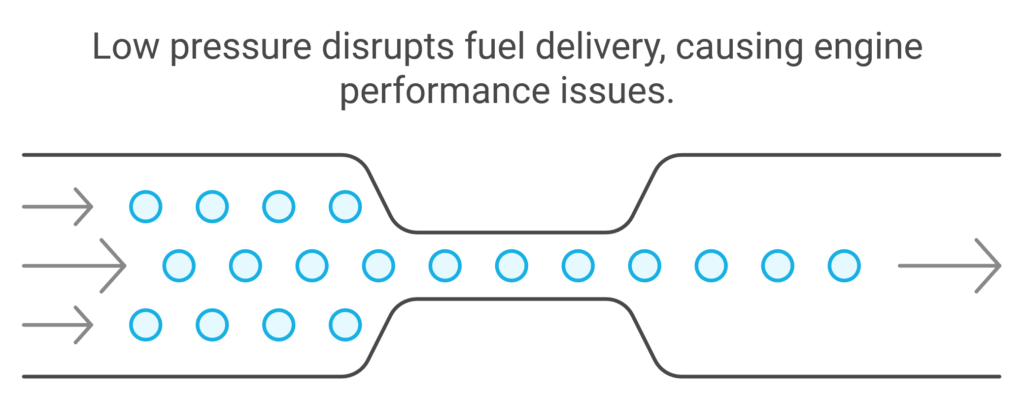
Using a fuel pressure gauge, fuel pressure can be measured at the fuel rail to determine if the fuel pump, pressure regulator or fuel lines are functioning correctly. The pressure reading should be within the range specified by the manufacturer. Low pressure indicates a problem with fuel delivery, while high pressure indicates a faulty pressure regulator.
Injector Flow Rate Testing
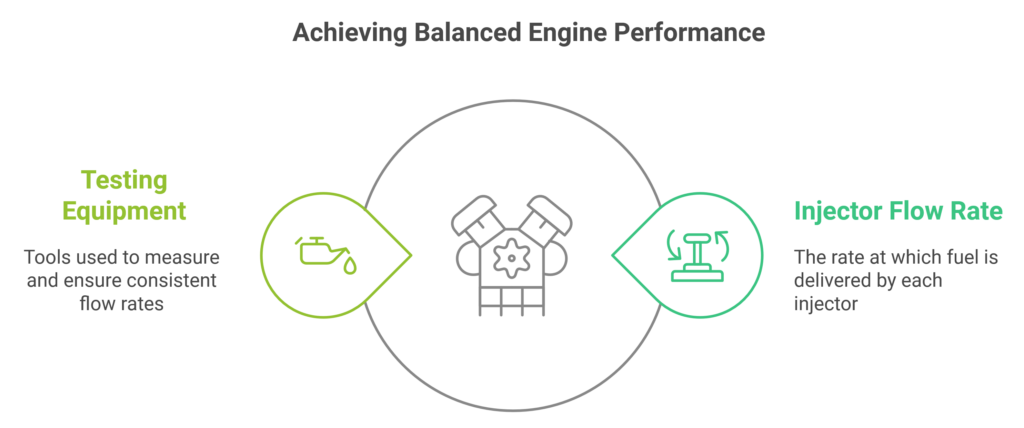
Injector flow rate refers to the amount of fuel that an injector can deliver per unit of time. Matching flow rates across all injectors is important for balanced engine performance. Testing flow rates requires special equipment that measures the amount of fuel delivered by each injector under controlled conditions.
Cleaning vs. Replacing: Making the Right Call
Determining whether to clean or replace fuel injectors depends on the nature and severity of the problem.
When to Clean
When injectors become dirty or clogged, causing rough idle, poor fuel economy or reduced power, cleaning is a viable option. Cleaning methods include using a fuel system additive, DIY cleaning with a carburetor cleaner or special cleaning kit, or professional injector cleaning services.
When to Replace
When the injector fails the resistance test, exhibits persistent leakage, or suffers physical damage, replacement is necessary. Injectors that cannot be cleaned effectively should also be replaced.
Common Fuel Injector Problems: Causes, Symptoms, and Solutions
Understanding common fuel injector problems and their solutions can aid in effective diagnosis and repair.
Clogged Injectors
Clogged injectors, often caused by fuel impurities or varnish buildup, can result in rough idle, reduced power, and poor fuel economy. Cleaning or replacement is typically the solution.
Leaky Injectors
Leaking injectors, due to worn O-rings or cracks in the injector body, can cause fuel odor, reduced fuel economy, and potential engine damage. Replacing O-rings or the entire injector is necessary.
Sticking Injectors
Sticking injectors, resulting from varnish buildup or mechanical failure, can lead to engine misfires, rough idling, and hesitation. Cleaning or replacement may resolve the issue.
Electrical Problems
Electrical issues, such as short or open circuits in the injector wiring or a faulty injector solenoid, can cause various performance problems. Testing with a multimeter or test light, repairing wiring, or replacing the injector are the usual solutions.
Also Read About- How to Choose Best Synthetic Engine Oils for Maximum Performance
Choosing Replacement Injectors: Key Considerations
Choosing the right replacement injectors is crucial for ensuring optimal engine performance and reliability.
OEM vs. Aftermarket Injectors
Original Equipment Manufacturer (OEM) injectors are identical to the factory-installed parts, offering guaranteed compatibility and performance. Aftermarket injectors may be less expensive but require careful research to ensure quality and compatibility.
Matching Flow Rates
It’s essential to choose injectors with the correct flow rate for the specific engine. Using injectors with mismatched flow rates can lead to performance issues and potential engine damage. Flow rate specifications can be found in the vehicle’s service manual.
Reputable Brands and Retailers
Purchasing injectors from reputable brands and retailers ensures quality and reliability. Researching reviews and seeking recommendations from trusted sources can help make informed decisions.
Maintaining Optimal Fuel Injector Performance
Fuel injectors are critical components of a vehicle’s engine, and keeping them in optimum condition is vital to maximizing performance, fuel efficiency and minimizing emissions. Regular maintenance, including periodic cleaning or replacement when required, is essential to extend the life of the injectors and ensure smooth engine operation. When complex injector problems are encountered or suspected, it is always advisable to consult a qualified mechanic.
Frequently Asked Questions about how to test fuel injectors:
What is the easiest way to test a fuel injector?
You can use a long screwdriver to listen for a clicking sound that indicates the injector is working. Place the tip of the screwdriver against the injector, and listen for a clicking sound with the engine idling. If you don’t hear anything, the injector may need to be cleaned or replaced.
How do I test a fuel injector with a multimeter?
Set the multimeter to ohms, and measure the resistance across the injector’s terminals. Compare the reading to the vehicle’s service manual to determine if the reading is in the normal range.
How can I check for fuel injector leaks?
Turn on the engine, and let the car idle for a few minutes. Smell for gasoline, and look for leaks around the injectors.
Can I use a 9-volt battery to test a fuel injector?
You can use a 9-volt or 12-volt battery and a pigtail harness to see if the injector clicks, which indicates that it is working. However, this will not give you information on the flow rate.
Can I test a fuel injector’s flow rate at home?
Testing flow rates requires specialized equipment, so this is best done in a shop.
How important is it to know the fuel injector flow rate?
It is important that all of your injectors have the same flow rate. If the flow rate is too high or too low, the engine may not run properly, and could be damaged.