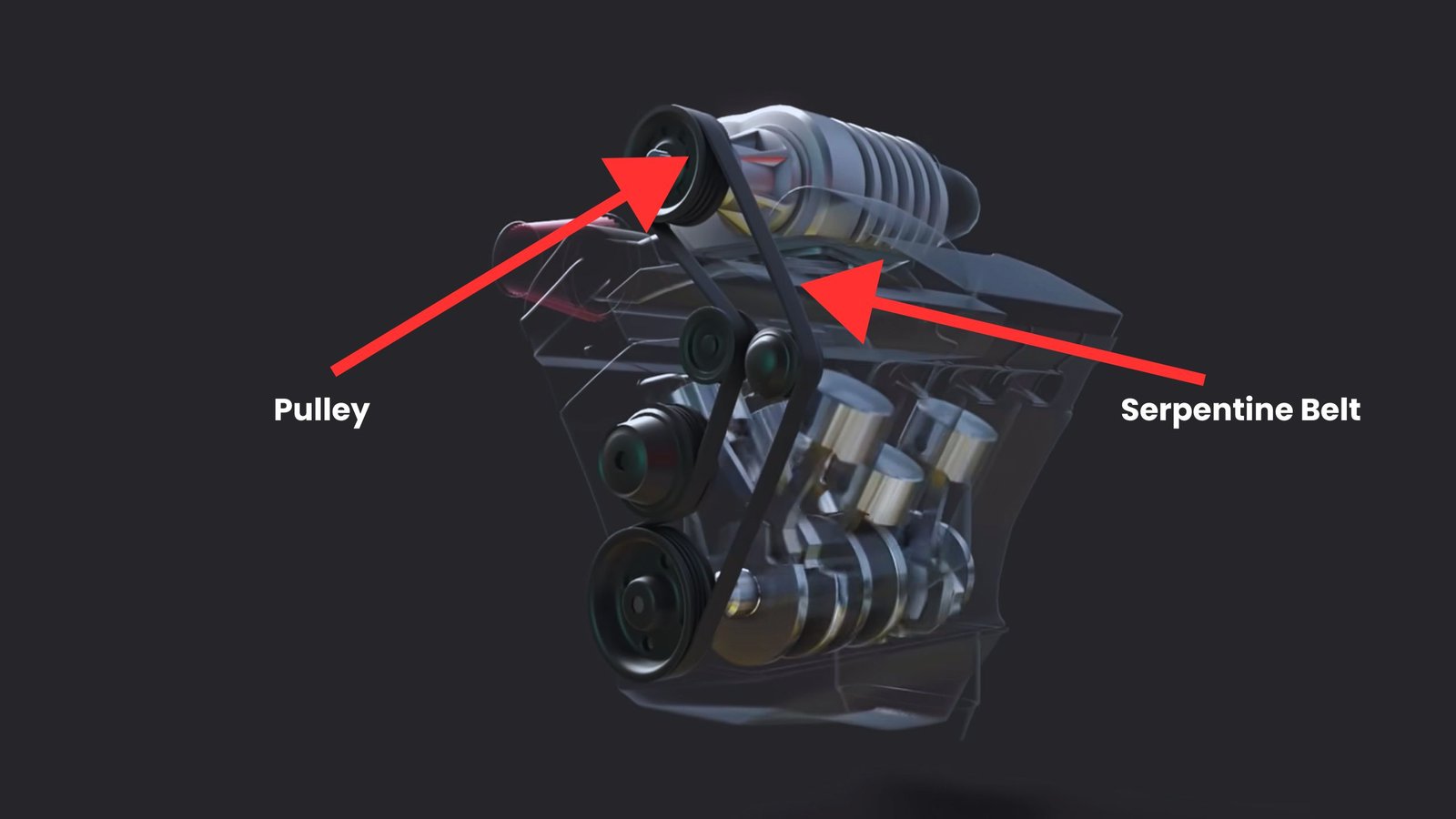

White smoke coming out of the exhaust of a vehicle can be disturbing for any owner. White smoke coming out of the exhaust can be a matter of concern. However, there can also be a possible malfunction due to the complex functions of the engine. White smoke coming out may not always be scary, but to keep the vehicle in good condition, one should always pay attention to the performance and maintenance of the vehicle , keeping even the smallest things in mind.
The main objective of this article is to know what is the reason for the white smoke coming out of the vehicle and how can we stop the white smoke from coming out. We will cover all this information in this article.
Basics Cause Of White Smoke
A properly working internal combustion engine usually emits clear or light grey smoke, especially when the engine reaches its correct temperature. If any other white smoke is emitted, it is important to pay attention to it.
White smoke from the exhaust is often a sign of a hidden problem. It can be anything from light condensation (just water leakage) to a sign of a coolant leak or oil burning. Knew the different types of white smoke, their characteristics and their causes is important to diagnose the correct problem.
Sources of White Smoke
1. Condensation
Condensation forms naturally inside the exhaust system, especially during cold or damp weather. When the engine cools overnight, moisture collects in the exhaust pipe. When you start the engine, this moisture quickly heats up and escapes as water vapor, often seen as thin white smoke.
This smoke usually disappears quickly once the engine warms up and the exhaust system is warm enough to evaporate the moisture. This type of white smoke is normal and usually doesn’t indicate any problems in the engine.
2. Coolant Leak
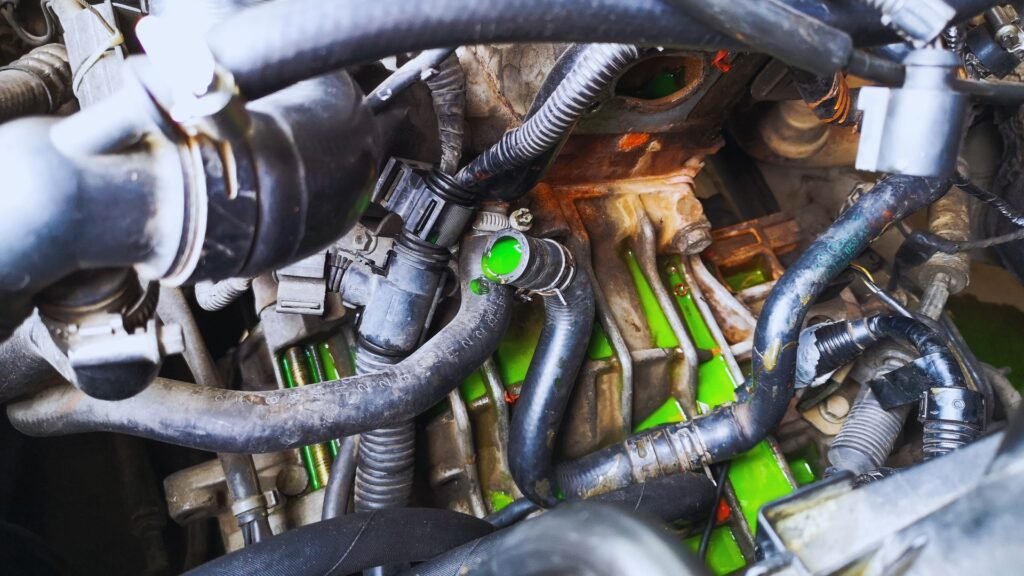
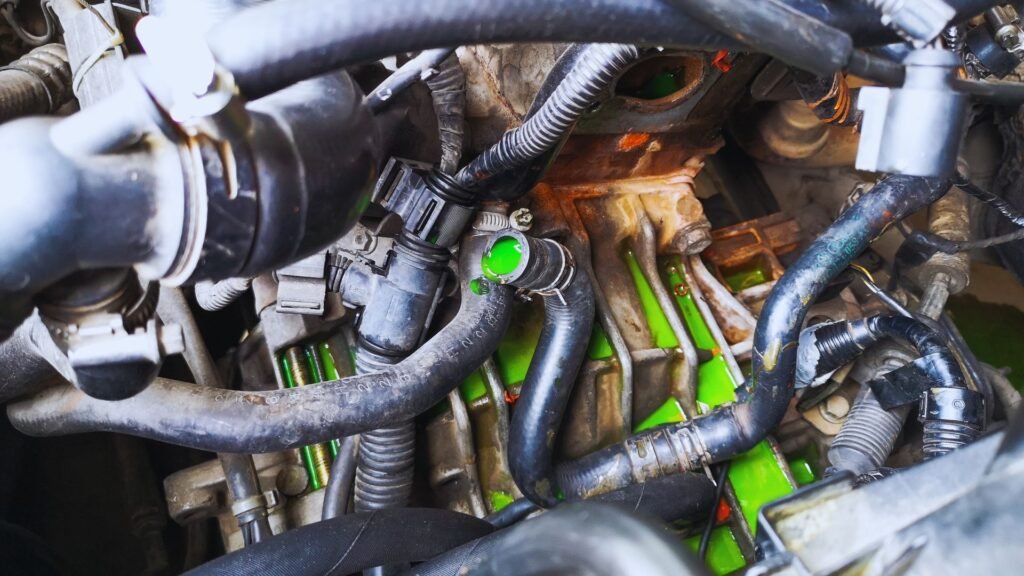
One of the most worrisome causes of white smoke is a coolant leak in the combustion chamber. Coolant, which helps regulate engine temperature, can enter the cylinder through a damaged head gasket, cracked engine block or faulty cylinder head.
When coolant mixes with the fuel-air mixture and burns, it produces thick white smoke with a sweet smell. Coolant leaks can also cause engine overheating, which can be noticed through a rising temperature gauge and a significant drop in coolant levels.
It is important to fix a coolant leak quickly, as prolonged exposure to these issues can cause serious and permanent engine damage.
3. Engine Oil Burning
While white smoke is not the most common sign of engine oil burning, it can occur in certain situations. Worn piston rings or valve seals can let engine oil leak into the combustion chamber, where it gets burned along with the fuel.
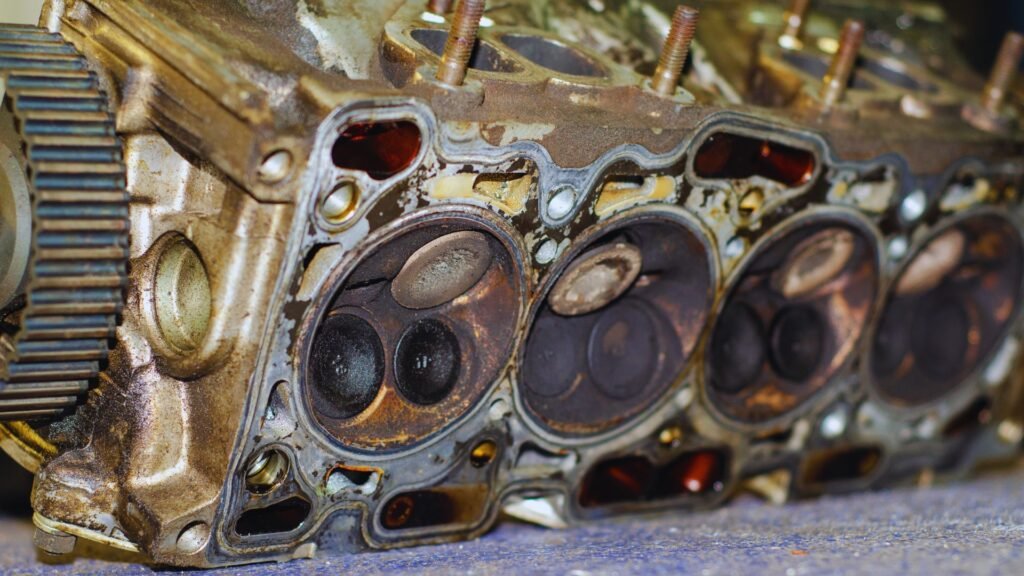
Oil burning usually causes blue or gray smoke, but certain types of oil or contamination can result in white smoke. If white smoke is present due to oil burning, a thorough inspection of the engine’s internal components is necessary to identify and fix the source of the leak.
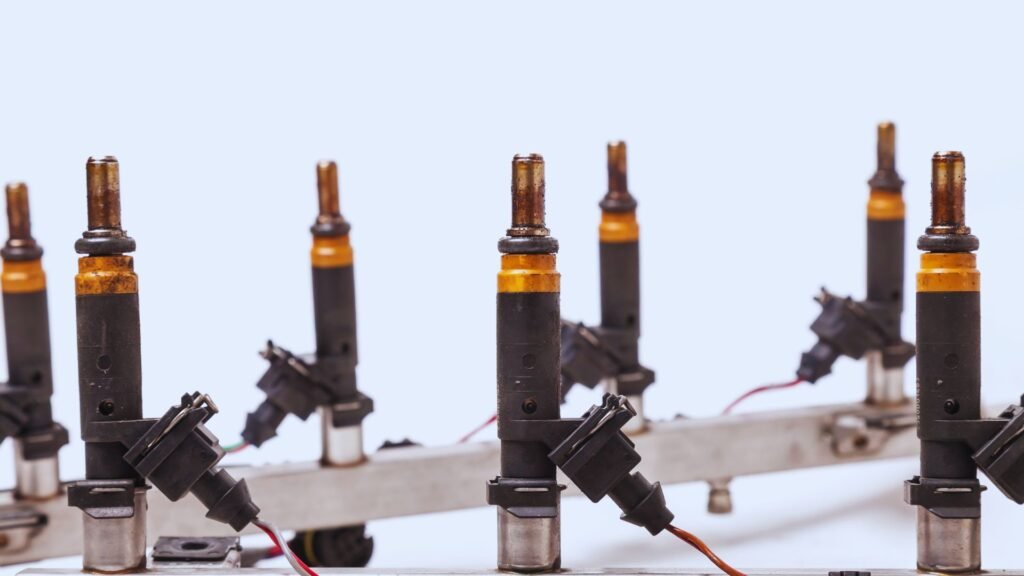
4. Fuel Injectors Issues
Bad fuel injectors or the wrong fuel-air mixture can disrupt the combustion process, causing white smoke to occur. When fuel injectors fail to deliver the correct amount of fuel for optimal combustion, or when the air intake system is compromised, the imbalance can lead to incomplete combustion, causing unburned fuel particles to escape as white smoke.
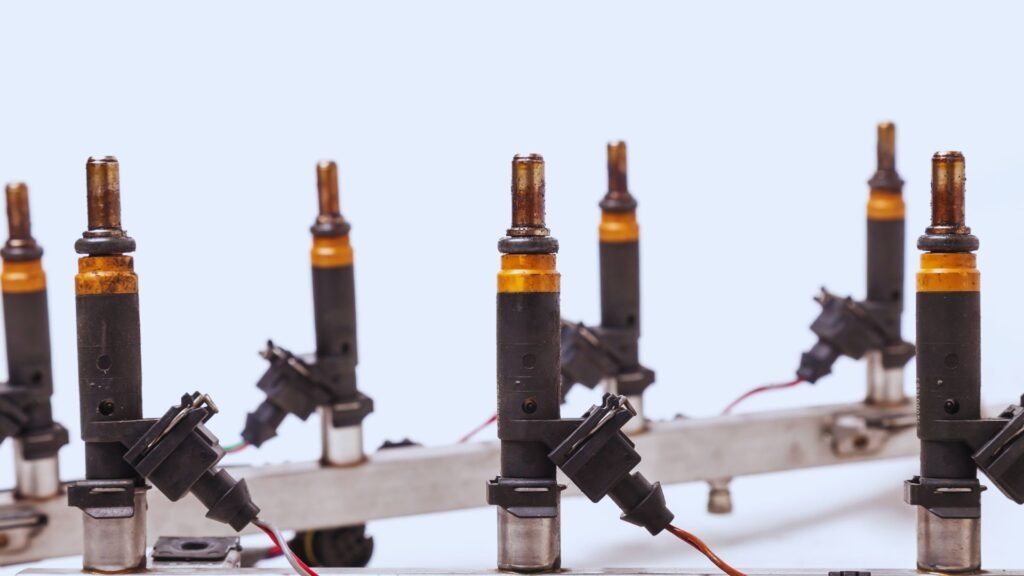
Fuel injection-related white smoke is more common in diesel engines, but can also occur in gasoline engines. Solving this problem usually involves inspecting and possibly replacing faulty fuel injectors, cleaning or replacing the air filter, and ensuring proper functioning of the oxygen sensor.
5. Other Potential Causes
- Transmission fluid leak: In vehicles with automatic transmissions that include a vacuum modulator valve, a damaged or malfunctioning valve can create a vacuum, causing transmission fluid to be drawn into the engine. The fluid burns during combustion, which can result in white smoke. This problem is usually seen in older vehicles with automatic transmissions.
- PCV system failure: A malfunctioning positive crankcase ventilation (PCV) system can also cause white smoke, especially when the engine starts. The PCV system is designed to exhaust and recirculate exhaust gases from the crankcase. If the PCV valve becomes clogged or the associated hose ruptures, pressure can build up in the crankcase, causing oil mist to escape into the intake manifold, where it burns with the fuel. This usually results in temporary white smoke, which disappears when the engine reaches operating temperature and vacuum is restored.
How to Stop White Smoke
Smoke assessment: Gathering Visual and Olfactory Clues
When faced with white smoke coming from a vehicle’s exhaust, it is important to conduct a systematic assessment to identify the cause. Start by carefully observing the characteristics of the smoke:
- Color and Texture: Is the smoke thin and vapor-like, resembling steam, or is it thick and milky white?
- Smell: Does the smoke have a sweet, syrupy odor?
- Timing: When does the smoke appear? Is it most prominent during startup, acceleration, or is it constant?
Initial Diagnostic Steps
If the smoke appears thin, vapor-like, and disappears shortly after startup, it is probably related to condensation. In this case, you can perform simple checks to rule out other possible problems:
- Coolant Level: Check the coolant level in the reservoir and look for any signs of leakage around hoses, the radiator, or the engine block.
- Engine Temperature: Monitor the engine temperature gauge to ensure it remains within the normal operating range.
Getting professional Help: when expertise is needed
If the white smoke is thick, persistent, smells sweet, or there are other symptoms such as the engine being overheated or low on fluids, seeking professional assistance from a qualified mechanic is strongly advised.
Attempting to diagnose and repair complex engine problems without the necessary expertise and equipment can be dangerous and make the problem worse.
DIY vs. Professional Repair
Certain repairs, such as replacing the PCV valve or checking and topping up the coolant level, may be manageable for experienced DIY enthusiasts. However, repairs involving internal engine components, such as replacing a head gasket or valve seals, should be performed by a qualified mechanic.
These types of repairs require special tools, expertise and experience to ensure they are done properly and safely. Attempting to perform them without the necessary skills could result in further damage and costly repairs.
Also Read About- How to Choose Best Synthetic Engine Oils for Maximum Performance
Maintain Engine Health
Preventive maintenance is essential to ensure the longevity of the vehicle and reduce the risk of problems such as white smoke coming from the exhaust. It is important to follow the maintenance schedule recommended by the manufacturer. This includes:
- Regular Coolant Flushes and Checks: Coolant deteriorates over time and loses its effectiveness in regulating engine temperature. Regular flushes and checks help prevent corrosion, leaks, and overheating.
- On Time Oil Changes with High-Quality Oil: Using high-quality engine oil that meets the manufacturer’s specifications ensures proper lubrication, reduces friction, and minimizes wear on critical engine components, including seals and gaskets.
- PCV Valve Inspection and Replacement: The PCV valve plays a vital role in maintaining proper crankcase ventilation. Inspecting and replacing the valve at regular intervals prevents clogging and ensures efficient removal of blow-by gases, reducing the risk of oil leaks and white smoke.
Properly addressing minor problems such as minor leaks, unusual odors or slight fluctuations in fluid levels can prevent them from turning into major problems. Regular inspections and proactive maintenance help identify potential problems early, allowing timely repairs and reducing the risk of costly damage.
Final Thought
White smoke coming from the vehicle’s exhaust is not always a sign of engine trouble. Sometimes it is just due to the accumulation of moisture (condensation), but sometimes it can also be a sign of serious problems like coolant leak or burning oil. Experts can diagnose the problem correctly and take the right measures by understanding these causes.
A systematic approach to evaluating the white smoke, performing simple checks, and seeking professional help when needed enables professionals to make informed decisions regarding repairs. Emphasizing pre-boost maintenance such as regular coolant flushes, oil changes with high-quality oil, and checking the PCV valve is vital to reducing the risk of white smoke and other engine-related problems.
FAQs about White Smoke from Exhaust
Is white smoke from my exhaust always a serious problem?
No. A small amount of white smoke on startup, especially in cold weather, is usually just condensation in the exhaust system evaporating. However, persistent thick white smoke, particularly if it has a sweet smell, could indicate a serious problem like a coolant leak.
What are the most common causes of white smoke from exhaust?
The most common cause of white smoke is a coolant leak, which can be caused by a blown head gasket, a cracked engine block, or a cracked cylinder head. Other potential causes include worn valve seals or guides, worn piston rings or cylinder walls, a transmission fluid leak, a faulty turbocharger, and water in the fuel tank.
How do I know if the white smoke is from coolant or something else?
White smoke from coolant usually has a sweet smell due to the ethylene glycol in the coolant. You can also check your coolant levels regularly to see if they are dropping. Additionally, you can check your oil to see if it looks milky or foamy, which indicates that coolant has mixed with the oil.
Can I fix white smoke from exhaust myself?
It depends on the cause. If the white smoke is due to condensation, it will go away on its own once the engine warms up. If the white smoke is due to a minor leak, like a loose radiator hose, you may be able to fix it yourself. However, if the white smoke is due to a more serious problem, like a blown head gasket, you will need to take your car to a mechanic.
How much does it cost to fix white smoke from exhaust?
The cost of fixing white smoke from exhaust varies depending on the cause. A simple repair, like replacing a radiator hose, may only cost a few hundred dollars. However, a more serious repair, like replacing a head gasket, can cost thousands of dollars. In some cases, it may be more cost-effective to replace the engine entirely, especially for older vehicles with high mileage.
What should I do if I see white smoke coming from my exhaust?
If you see white smoke coming from your exhaust, the best thing to do is to stop driving and have your car inspected by a mechanic as soon as possible. Continuing to drive with a serious problem like a blown head gasket can cause further damage to your engine.