In this article
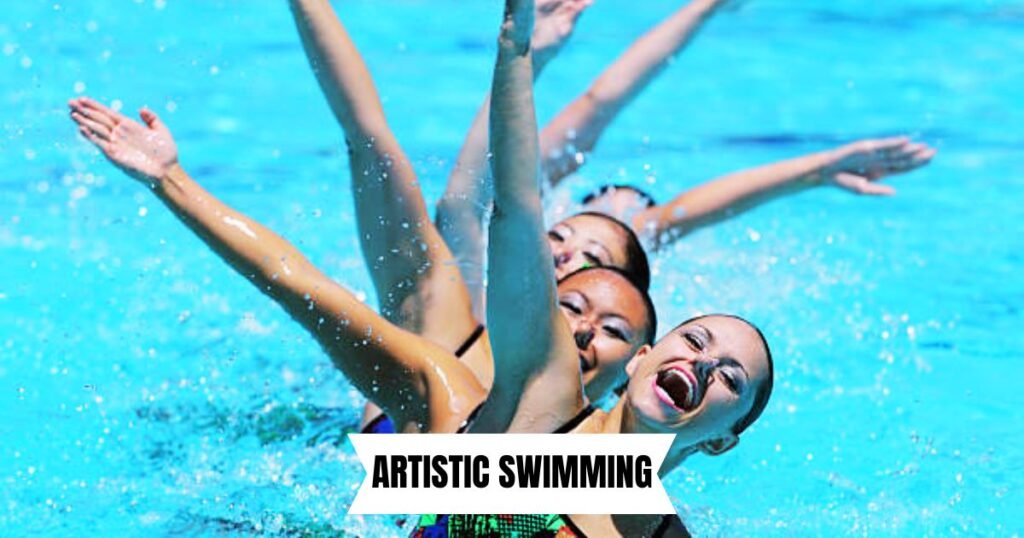
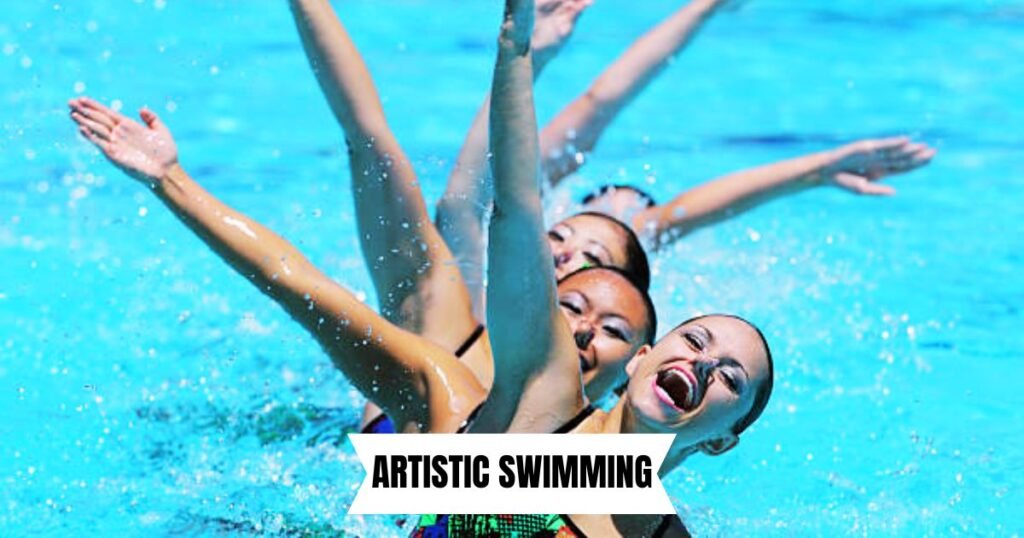
Artistic swimming, once called synchronized swimming, is a sport that mixes swimming, dance, and gymnastics in the water. Swimmers perform planned routines to music, often doing complex and coordinated movements. Artistic swimming is a type of exhibition swimming where one or more swimmers move in sync with music. A hybrid sport combining swimming, gymnastics, and dance, requiring exceptional fitness and synchronization.
The duet and team programs also include many creative and acrobatic activities that require strength and skill. This is one of the most difficult things to do. Hours and hours in the pool. The really amazing thing about artistic swimming is that, compared to gymnasts, they’re doing everything while holding their breath. Swimmers use gelatin for hair styling and wear custom-made suits to match their routines.
Hearing the music clearly allows swimmers to perform more precisely and with better timing, enhancing the overall quality of the routine. In this article, we will explore the details of artistic swimming, looking at its interesting history, the challenges athletes face, and the amazing performances that impress everyone.
History and evolution of artistic swimming
Artistic swimming, once known as synchronized swimming, has evolved from its aquatic roots into a mesmerizing blend of athleticism, artistry, and precision. Let’s dive into its fascinating history.
Early Beginnings
- 19th Century Roots: The sport’s origins can be traced back to the late 19th century when ornamental swimming and theatrical water ballets gained popularity. Initially, it was predominantly a male-dominated activity, with swimmers performing round dances adorned with garlands and lanterns.
- Pioneering Women: In the early 20th century, women began to take center stage. Figures like Annette Kellermann and Katherine Curtis played pivotal roles in popularizing the sport. Kellermann, often called the “underwater ballerina,” captivated audiences with her performances, while Curtis experimented with diving and stunts, laying the foundation for synchronized routines.
The Rise of Synchronized Swimming
- Water Ballet and Beyond: The term “synchronized swimming” was coined in the 1930s, reflecting the growing emphasis on coordinated movements and musical accompaniment. The sport gained further momentum through Esther Williams’ glamorous portrayals in Hollywood films.
- Competitive Evolution: The 1940s saw the establishment of formal competitions and governing bodies, with the United States taking a leading role. The sport continued to evolve, incorporating increased difficulty and artistry.
Olympic Recognition and Modern Era
- Olympic Debut: Artistic swimming made its Olympic debut as a demonstration sport in the 1950s and 1960s.It finally achieved full Olympic status in 1984.
- Technical Advancements: The sport has witnessed significant technical advancements over the years, with athletes pushing the boundaries of underwater acrobatics, choreography, and synchronization.
- Name Change: In 2017, the sport was officially renamed to artistic swimming to better reflect the artistic nature of the performances.
- Global Popularity: Artistic swimming has gained popularity worldwide, with athletes from various countries showcasing their talents on the international stage.
Key Milestones
- 1891: First artistic swimming competition in Berlin.
- 1907: Annette Kellermann‘s groundbreaking performance at the New York Hippodrome.
- 1934: Coining of the term “synchronized swimming”.
- 1952 and 1968: Olympic demonstration sport.
- 1984: Olympic medal sport.
- 2017: Name change to artistic swimming.
Artistic swimming continues to captivate audiences with its blend of grace, power, and athleticism. Its journey from aquatic entertainment to a highly competitive Olympic sport is a testament to the dedication and creativity of its athletes.
Key elements and techniques in artistic swimming
Artistic swimming is a mesmerizing blend of athleticism, artistry, and precision. Here are some of the key elements and techniques that define this sport:
Key Elements
- Synchronization: The ability of swimmers to perform identical movements simultaneously. Perfect synchronization is crucial for creating a visually stunning performance.
- Artistry: The expression of emotion, storytelling, and creativity through movement, music, and facial expressions.
- Athleticism: Strength, flexibility, endurance, and agility are essential for executing complex routines.
- Technical Proficiency: Mastery of various swimming strokes, underwater techniques, and acrobatic elements.
Core Techniques
- Propulsion: The ability to move through the water efficiently using various body positions and leg movements.
- Leg Positions: Different leg positions, such as ballet legs, pike, and tuck, are fundamental to artistic swimming.
- Lifts and Throws: Athletes perform impressive lifts and throws, showcasing strength and coordination.
- Spins and Turns: Rotational movements that add complexity and visual appeal to routines.
- Underwater Movements: Graceful and fluid underwater movements, often incorporating acrobatics and formations.
- Surface Patterns: Geometric and artistic formations created by swimmers on the water surface.
The importance of music in artistic swimming routines
Music is an integral component of artistic swimming. It serves as the backbone of a routine, dictating the mood, tempo, and overall narrative.
Key Roles of Music
- Sets the Tone: The chosen music establishes the atmosphere and theme of the routine. It can be playful, dramatic, elegant, or any other desired emotion.
- Dictates Choreography: The rhythm, melody, and dynamics of the music influence the swimmers’ movements and formations. The synchronization between swimmers and music is crucial for a successful performance.
- Enhances Storytelling: Music can help tell a story or convey a message. It can evoke emotions and create a connection with the audience.
- Improves Synchronization: The rhythmic structure of music aids in maintaining precision and uniformity among the swimmers.
- Adds Visual Appeal: The combination of music and movement creates a visually stunning spectacle that captivates the audience.
Challenges and Considerations
- Music Selection: Choosing the right music involves careful consideration of the routine’s theme, the swimmers’ abilities, and the competition’s rules.
- Music Editing: The music often needs to be edited to fit the exact duration of the routine and to highlight specific moments.
- Underwater Acoustics: Ensuring that the music is audible underwater requires careful sound equipment and placement.
By expertly selecting and utilizing music, artistic swimmers can elevate their performances to new heights, creating unforgettable experiences for both themselves and the audience.
Training and preparation for artistic swimming
Artistic swimming demands an extraordinary combination of athleticism, artistry, and precision. The training regimen for these athletes is rigorous and multifaceted.
Physical Conditioning
- Strength and Endurance: Artistic swimmers need exceptional upper body strength for lifts and throws, as well as core strength for stability and balance. Endurance training is essential for performing complex routines without tiring.
- Flexibility: A high degree of flexibility is crucial for executing graceful movements and maintaining elegant lines.
- Breath Control: The ability to hold one’s breath underwater for extended periods is vital.
Water Skills
- Swimming Proficiency: A strong foundation in swimming techniques is essential. Artistic swimmers need to be comfortable in the water and have excellent propulsion skills.
- Underwater Skills: Mastering underwater movements, including flips, turns, and acrobatics, is a core component of training.
- Synchronization: Achieving perfect synchronization with teammates requires countless hours of practice and coordination.
Artistic Development
- Choreography: Swimmers learn to interpret music and create expressive movements that tell a story.
- Musicality: Developing a strong sense of rhythm and timing is crucial for synchronizing movements with the music.
- Performance Skills: Artistic swimmers must be able to project confidence, charisma, and emotion during their routines.
Mental Preparation
- Focus and Concentration: The ability to maintain focus under pressure is essential for executing flawless routines.
- Teamwork: Building strong bonds with teammates is crucial for successful synchronized performances.
- Mental Toughness: Overcoming challenges and setbacks is part of the sport, and mental resilience is key.
Training Schedule
A typical training week for an artistic swimmer includes:
- Land-based training: Strength, flexibility, and dance training.
- Water-based training: Technique refinement, synchronization drills, and routine practice.
- Choreography and music practice: Developing and perfecting routines.
- Nutrition and rest: Maintaining optimal physical condition through proper diet and sleep.
The path to becoming an accomplished artistic swimmer is demanding, but the rewards in terms of physical fitness, artistic expression, and teamwork are immeasurable.
Artistic swimming competitions and events
Artistic swimming competitions showcase the grace, athleticism, and artistry of these incredible athletes. Here’s a breakdown of the major events and formats:
Major Competitions
- Olympic Games: The pinnacle of artistic swimming competition. Both duet and team events are contested.
- World Aquatics Championships: Held every two years, this is the most prestigious non-Olympic event in the sport.
- World Aquatics Artistic Swimming World Cup: A series of competitions held throughout the year, leading to a Super Final.
Event Formats
- Duet: Two swimmers perform together in a synchronized routine.
- Team: A group of eight swimmers performs a coordinated routine.
- Solo: While less common, some competitions feature solo performances.
- Mixed Duet: A relatively new event featuring one male and one female swimmer.
Famous artistic swimmers and their achievements
Artistic swimming has produced some of the most talented and graceful athletes in the world. Here are a few of the most iconic names in the sport:
Russian Dominance
Russia has historically been a powerhouse in artistic swimming. Athletes like:
- Svetlana Romashina: Often hailed as the “Queen of Synchronized Swimming,” she holds the record for the most Olympic gold medals in the sport.Known for her exceptional flexibility and artistry.
- Anastasia Davydova: A long-time partner of Romashina, they dominated the duet events for years.
- Natalia Ishchenko: Another Russian star, she has won multiple Olympic gold medals in both duet and team competitions.
Other Athletes
- Huang Xuechen (China): A consistent medal-winner, she has showcased exceptional technical skills and artistry.
- Takeda Miho and Tachibana Miya (Japan): These sisters were pioneers of Japanese artistic swimming, winning multiple Olympic medals.
- Bill May (USA): As a male artistic swimmer, Bill May has broken barriers and showcased incredible talent in the mixed duet event.
These athletes, among many others, have elevated artistic swimming to new heights, inspiring countless young swimmers around the world.
The benefits of participating in artistic swimming
Artistic swimming offers a unique blend of physical and mental benefits. It’s a sport that not only sculpts the body but also nurtures the mind.
Physical Benefits
- Full-body workout: Engages muscles throughout the body, improving strength, flexibility, and endurance.
- Cardiovascular health: Enhances lung capacity and heart health.
- Grace and poise: Develops a sense of balance, coordination, and body awareness.
- Low-impact exercise: Gentle on joints while providing a challenging workout.
Mental Benefits
- Creativity and expression: Fosters artistic and expressive abilities.
- Teamwork and cooperation: Builds strong bonds and communication skills.
- Discipline and focus: Requires mental toughness and concentration.
- Confidence and self-esteem: Overcoming challenges and achieving goals boosts self-belief.
- Stress relief: Provides a physical and mental outlet for stress.
In essence, artistic swimming is a holistic activity that contributes to overall well-being. It’s a sport that empowers individuals and fosters a love for water and movement.
Also Read About- Sha’Carri Richardson Winning star
Conclusion: Celebrating the beauty and grace of artistic swimming
Artistic swimming is more than just a sport; it’s a captivating blend of athleticism, artistry, and synchronization. From its humble beginnings as water ballet to its current status as an Olympic discipline, the evolution of this sport has been remarkable.
The dedication and precision required to master the intricate movements and underwater acrobatics are truly awe-inspiring. The ability to transform a pool into a stage, telling stories through body language and music, is a testament to the creativity and talent of these athletes.