In this article
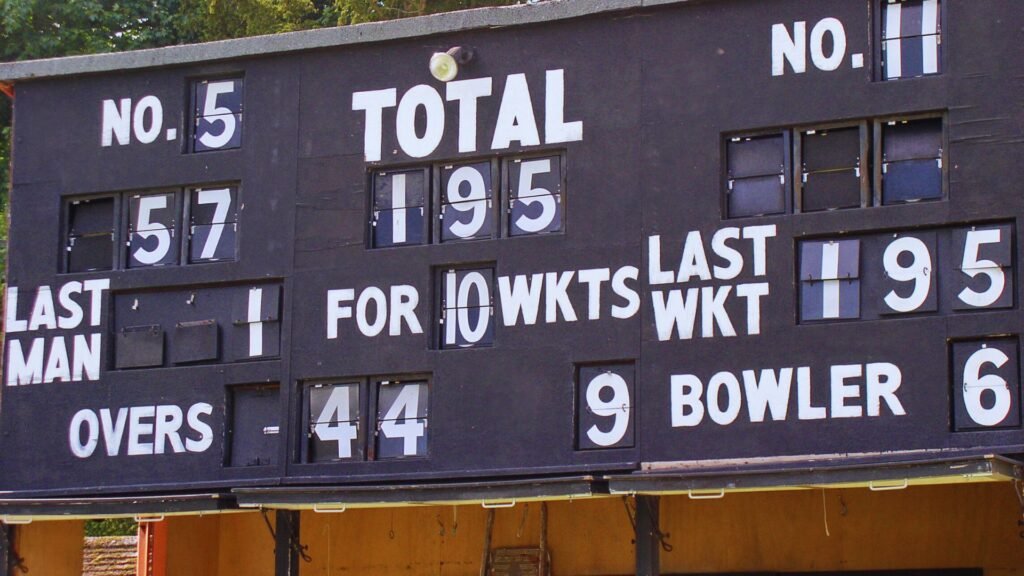
Imagine you are watching a match in a packed stadium. The result of the match is about to come. There is tension. The result of the match depends on one run. The batsman is ready to play in his rhythm. At such a time, the accuracy of the scoring of cricket becomes most important, Although scoring of cricket has basic terminology like runs, wickets and overs, a deeper look into it reveals that scoring of cricket is not just a function of statistics. It is a mix of human skills, advanced technologies and the rich history of the cricket, which makes this role interesting and important.
The Origins of digital precision
Scoring of cricket has come a long way from its simple beginnings. In the early days of cricket, runs were recorded simply by making marks on sticks. As cricket evolved, so did the need for more detailed record-keeping. Chalkboards were replaced by special scorebooks, a notable step towards a more organised and informative system. In the late 19th and early 20th centuries, pioneers such as John Atkinson Pendlington, Bill Ferguson and Bill Frindall developed linear scoring systems that revolutionised the way the game was tracked. Their efforts enabled scorers to record not just runs made and wickets taken, but also specific interactions between batsmen and bowlers, adding to the statistical fabric of the game.
The advent of computers and mobile apps has ushered in a new era of cricket scoring. Software programs and platforms such as CricHeroes have streamlined scoring, allowing scorers to easily input data and produce detailed reports that provide insight into team and individual performances. These digital tools have also increased fan engagement, providing real-time score updates, comprehensive statistics, and even personalized reports, bringing viewers closer to the action than ever before.
Scorecard Language
The various gestures of the scorecard help the spectators and players to understand the depth and presentation of the game better. Through this, they do not mean the statistics, but the points behind them, such as important moments, the efforts of the players and the teams of the match can also be included. This scorecard is an important part of the game experience.
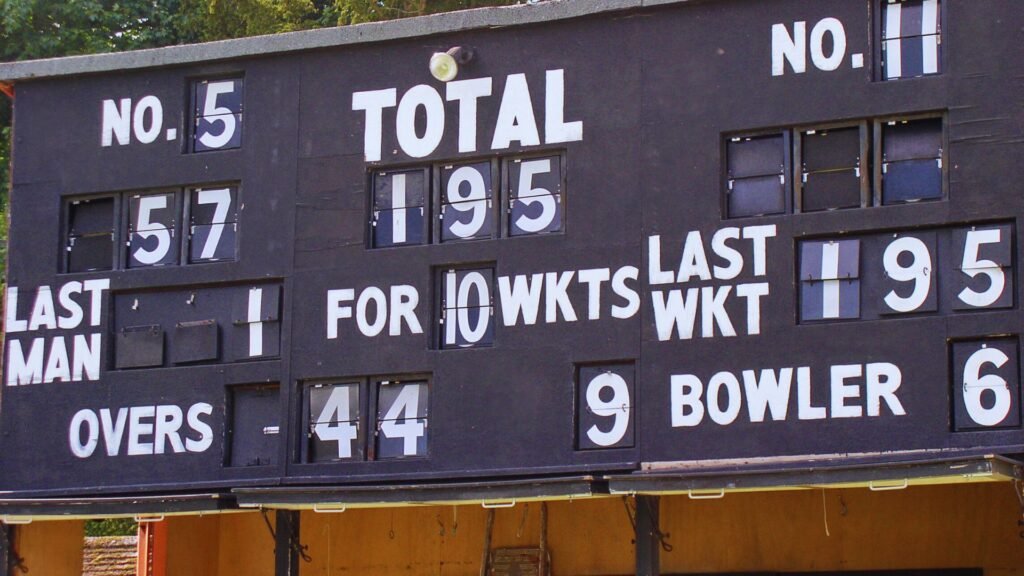
Batting statistics detail each batsman’s performance, including:
- Runs scored
- Balls faced
- Boundaries hit (fours and sixes)
- How they were dismissed
Bowling statistics highlight each bowler’s performance, such as:
- Overs bowled
- Wickets taken
- Runs conceded
- Economy rate (runs per over)
Fall of Wickets section tells you which wicket fell at what score and how. This helps us understand which partnership changed the course of the game and when the match turned.
Extras Runs are also carefully noticed, including byes, leg byes, wides, and no-balls. Though these runs may seem minor, they can significantly impact the final result of the game.
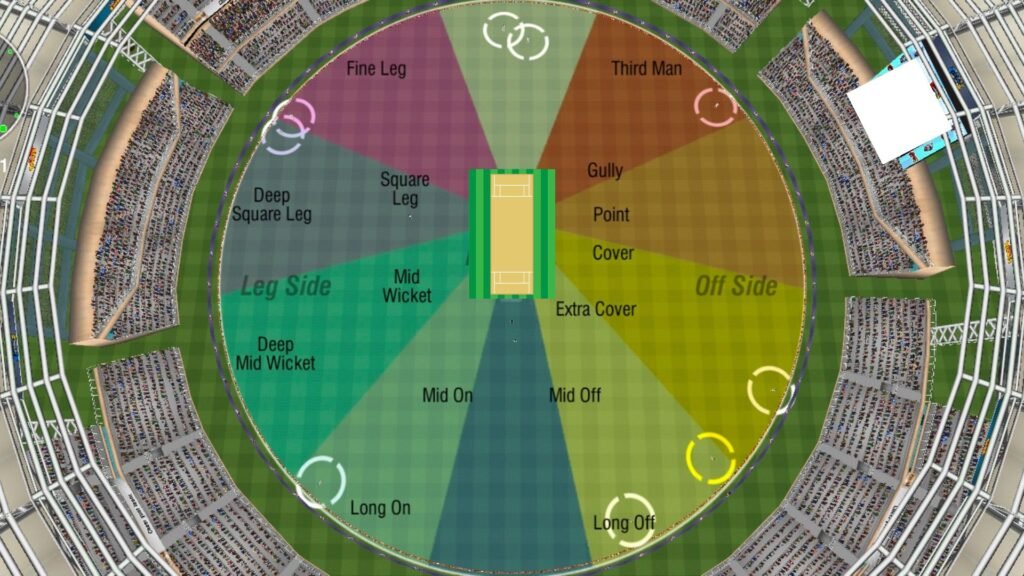
Beyond these fundamentals lie even more complex details that need to be understood. For example, Wagon Wheels provide a visual representation of a batsman’s shot selection, revealing their preferred scoring areas and patterns of play. Technology such as Hawk-Eye has introduced even more advanced analytical tools. Beehive and Pitch Maps analyse a bowler’s accuracy, showing the trajectory and landing point of their balls. Manhattan and Worm charts, used primarily in limited-overs cricket, track the cumulative runs scored in an innings, showing the scoring rate and the impact of key moments such as boundaries and wickets.
By learning to read and understand these different elements, one can go beyond just knowing the Scoring of cricket to understanding the story of the match. Identifying important partnerships, periods of dominance by batting or bowling, and the impact of key moments such as dropped catches or crucial wickets – all of this information is woven into the fabric of the scorecard.
Human Element Behind the Scorecard
The pressure on a cricket scorer, especially in exciting matches, is enormous. Every run must count, every wicket recorded and the accuracy of their work constantly scrutinised. This demanding role requires an exceptional level of concentration, mental toughness and a keen eye for detail. The scorer must maintain constant communication with the umpires, recognise their signals and ensure that every moment on the field is accurately reflected on the scoreboard. It’s a collaborative effort, a testament to the human element that remains at the heart of Scoring of cricket even in the digital age.
As technology continues to shape the future of the game, the role of the scorer is evolving. Advanced software programmes, real-time scoring apps and the potential of artificial intelligence and machine learning are all contributing to a more data-driven approach to cricket. However, amid these technological advancements, the fundamentals of accuracy, integrity and a deep understanding of the game remain as important as ever. Scorers, who often work behind the scenes, are an unsung hero, their meticulous record-keeping ensuring the fairness and historical accuracy of every match.
Also Read About- The Role of Tea Break Time in Test Cricket
New Format of Scoring in Cricket
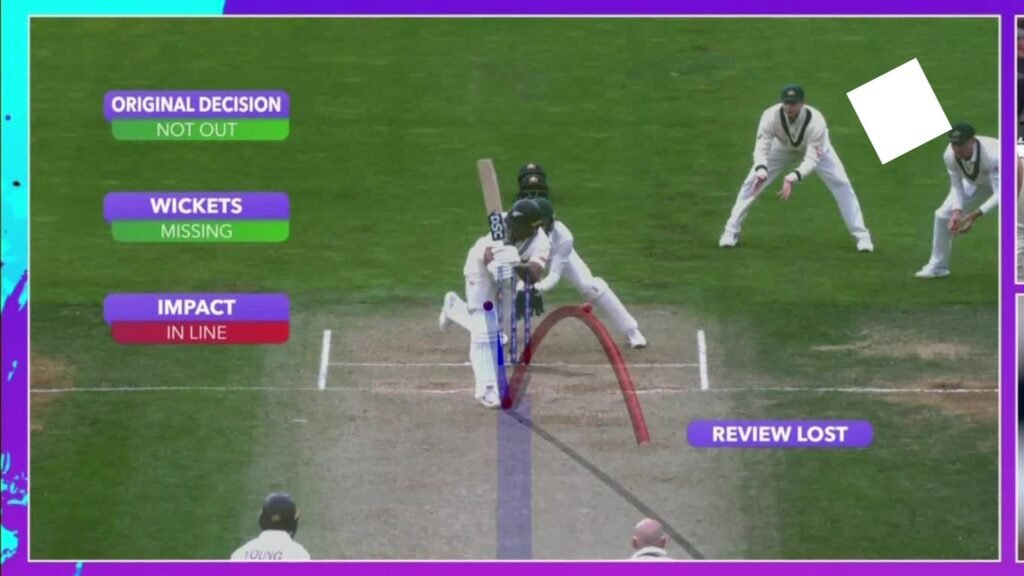
Impact of technology on cricket scoring extends far beyond simply digitising the scorebook. Advanced statistical analysis powered by tools such as Hawk-Eye has revolutionised understanding player performance, ball tracking and umpire decision-making. Real-time scoring apps powered by platforms such as CricHeroes have transformed fan engagement, allowing spectators to follow live scores, view comprehensive statistics and even create personalised reports. These digital innovations have brought a new level of transparency and interactivity to the game, bridging the gap between players, fans and the intricacies of the game.
Artificial intelligence and machine learning could automate even more scoring tasks, allowing scorers to focus on more complex aspects of the game. Imagine algorithms that could identify patterns and trends in player performance, predict scoring outcomes or even provide real-time strategic information to teams. Such developments could fundamentally change the landscape of cricket scoring, leading to a more data-driven and nuanced understanding of the game.
Insights for Aspiring Scorers and Players
Players can also benefit greatly from a deep understanding of scorecards. Analyze your batting and bowling statistics, identify your strengths and weaknesses, and use this knowledge to make informed decisions on the field. Improve your strike rate by focusing on shot selection, timing, and boundary-hitting. Increase your economy rate by mastering accuracy in line and length, variation in your speed, and strategically placing fielders. By studying scorecard data and applying the insights gained, you can take your game to new heights.
Cricket Scoring as Storytelling
Scoring in cricket is more than just a technical exercise; it is an integral part of the story of the game. Every meticulously recorded run, every precisely recorded wicket, contributes to a rich fabric of statistics that charts the ebbs and flows of matches, highlights moments of individual brilliance, and preserves the legacies of players and teams.
As cricket continues to evolve, so will the art and science of scoring. Technology will undoubtedly play a key role, providing new avenues for analysis and engagement.
Cricket Scoring FAQs
How are scored in cricket?
The batsman hitting the ball and running between the wickets. For every successful run between the wickets, a single run is added to the team’s total. Runs can also be earned when the ball reaches or goes over the boundary. A boundary hit that touches the ground before going out scores four runs, while a ball clearing the boundary without touching the ground earns six runs. The bowling team scores points by dismissing batsmen, also known as taking wickets. Each wicket reduces the batting team’s opportunity to score.
What is the role of the scorer in cricket?
The scorer is a crucial, yet often unnoticed, part of a cricket match. The scorer’s job is to record all runs scored, wickets taken, and, when appropriate, the number of overs bowled. Unlike the umpires, the scorer does not make decisions about events in the game; instead, they receive signals from the umpires and then record the information. This role requires exceptional concentration, a keen eye for detail, and the ability to communicate effectively with the umpires.
How Can a Batsman Be Dismissed?
There are 10 ways a batsman can be dismissed. Common methods include:
- Bowled: The ball hits the wicket and dislodges the bails.
- Caught: A fielder catches the ball before it touches the ground.
- Run Out: A batsman fails to reach the crease before the wicket is broken while running.
- LBW (Leg Before Wicket): The batsman’s leg blocks a ball that would have hit the stumps.
- Stumped: The wicket-keeper dislodges the bails when the batsman is out of their crease.
- Hit Wicket: The batsman accidentally hits the stumps with their bat or body.